
B2 English Reading Practice – Page 2
B2Upper-intermediateChoose a topic, answer the questions and check your result.
Reading practice tests
33 testsPractice B2 English reading with 7 questions based on the Daily News article “Union Electricians Welcome Data Center Boom Despite Community Opposition...
7 questions
View test
Practice B2 English reading with 7 questions based on the Daily News article “What to Know About Amazon’s Air Cargo Carrier After Miami Crash”.
7 questions
View test
Practice B2 English reading with 7 questions based on the Daily News article “Steinem and Parton’s Deaths Leave Feminists Grieving Two Influential Voi...
7 questions
View test
Practice B2 English reading with 7 questions based on the Daily News article “91-Year-Old Hiker Becomes Oldest Person to Complete Appalachian Trail”.
7 questions
View test
Practice B2 English reading with 7 questions based on the Daily News article “Shiyazh Pete’s viral locker-room speech inspires the Navajo Nation”.
7 questions
View test
Practice B2 English reading with 7 questions based on the Daily News article “Chicago River Bridge Stays Raised for More Than Four Hours, Disrupting D...
7 questions
View test
Practice B2 English reading with Daily News Article.
10 questions
View test
Practice B2 English reading with an energy-saving app trial covering design, results, supporting activities, data privacy, and research limits.
5 questions
View test
Strengthen B2 English reading with a river-restoration text about flooding, environmental actions, evidence of improvement, and project limits.
5 questions
View test
B2 reading guides & lessons


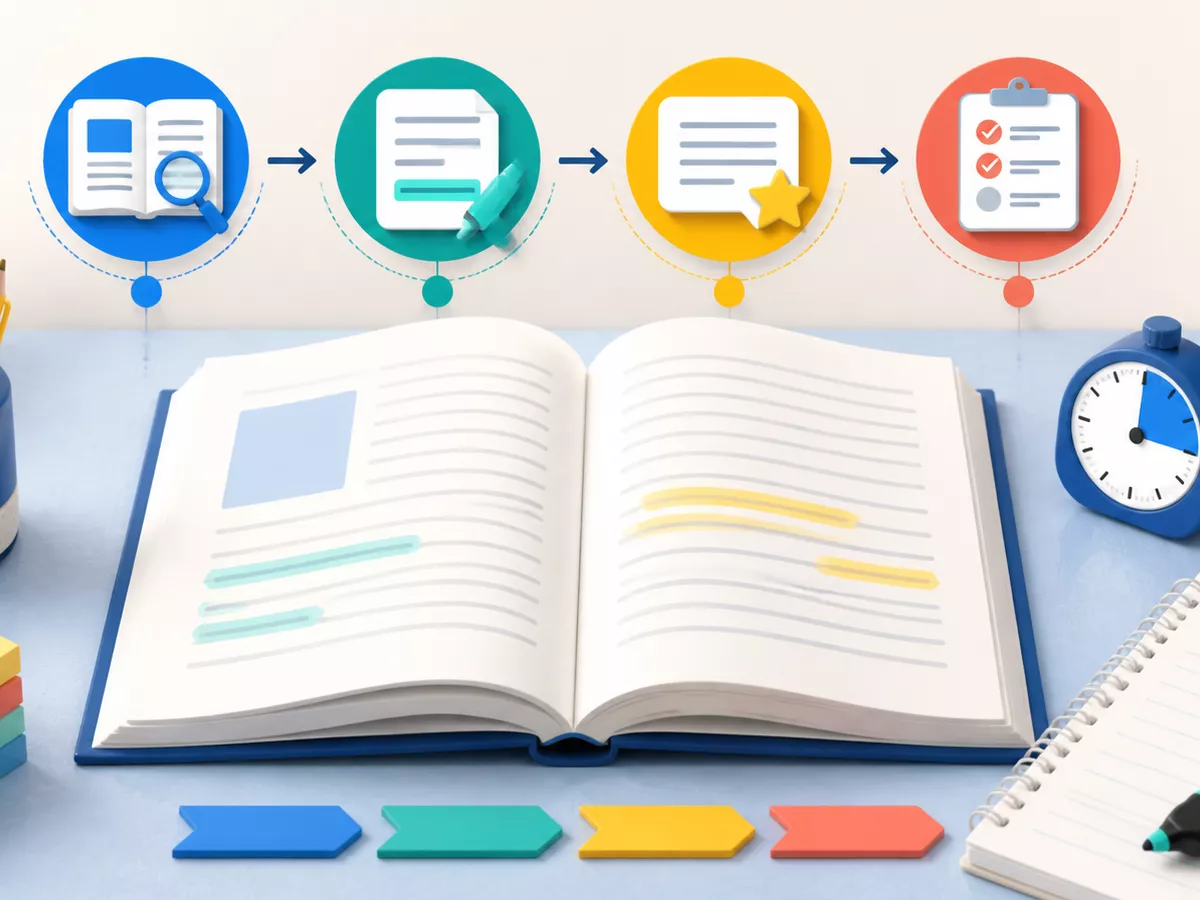



How to practice B2 reading
Work with longer articles, reviews and arguments. Identify claims, supporting evidence and contrasting viewpoints; distinguish what the writer states from what you can reasonably infer.
Choose a topic
Start with one area you have studied. Read the instructions and work through the complete context.
Try the questions
Answer independently before checking your result. Note any choices you were unsure about.
Review and apply
Review mistakes and available explanations. Use the language in a fresh example, then revisit the topic later.
Try it in your own English
Summarise two sides of an argument and point to a sentence supporting each summary.
Try B2 when you can understand familiar B1 texts and explain an opinion. Revisit B1 material if longer explanations become difficult to follow.
Explore all B2 English skills or estimate your English level if you are unsure where to start.
Frequently asked questions
Are these B2 reading tests official CEFR exams?
No. These focused exercises support upper-intermediate learning. A result reflects this practice set, not your ability in every English skill, and does not award an official CEFR qualification.
How many questions are in each test?
The question count is shown on each card. Sets vary by topic, so choose one that fits the time you have and read its instructions before starting.
What should I do after checking my result?
Review uncertain answers as well as mistakes. Check the relevant guide and any explanation provided, then try the study task on this page. A new example checks understanding better than memorising the previous answers.
Can I return to a test and practice again?
Yes. Return to the test page to begin another attempt. Try again after reviewing the topic, and combine these exercises with reading, listening and your own use of English rather than judging progress from one score.