El Niño is intensifying heavy rain and flash-flood risks in the Southwest, scientists say
 By Emma Carter
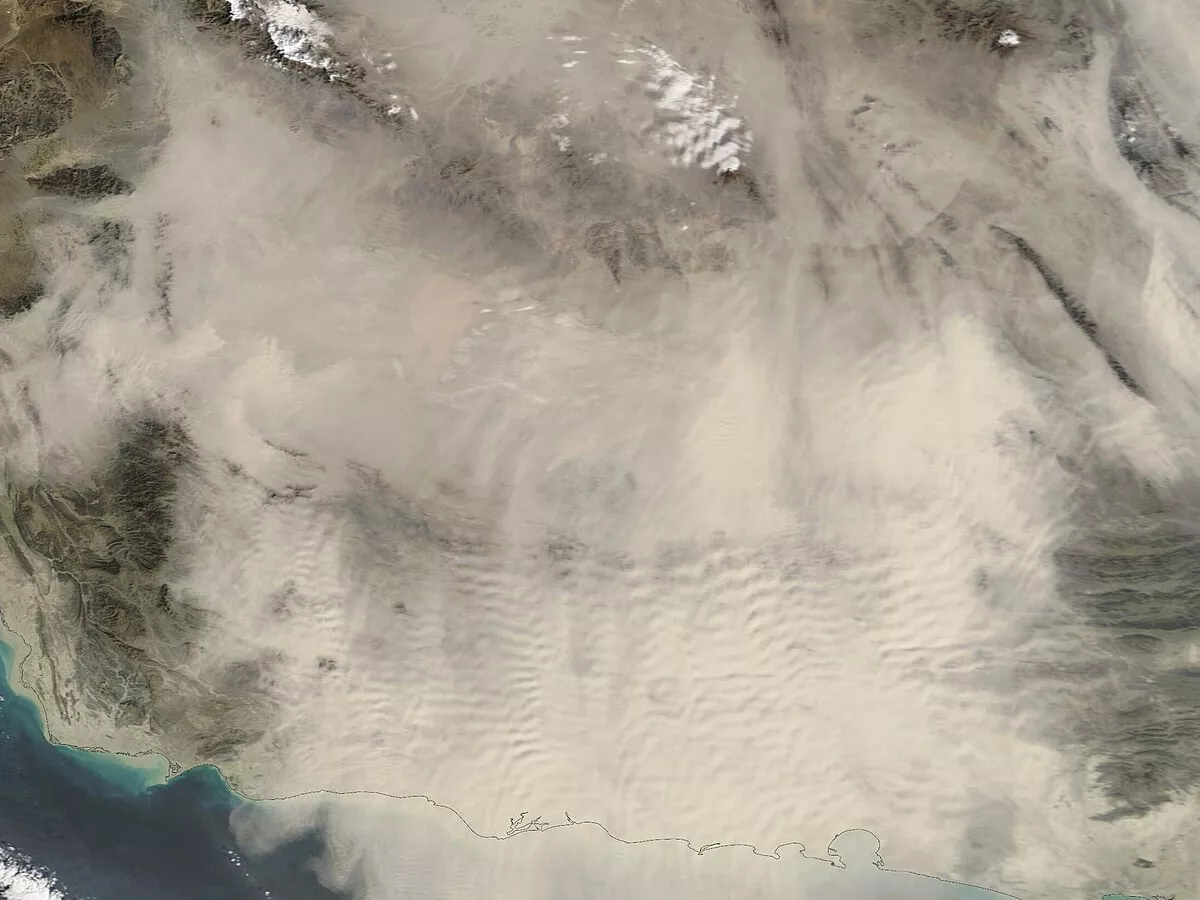
Image information
This is a representative image for this Daily News lesson.
Intro
An extreme El Niño is helping create unusually favorable conditions for intense storms and flooding across the Southwest, although scientists say it is not the sole cause of the recent weather.
Vocabulary
| Word | Part of speech | Meaning | Example |
|---|---|---|---|
| phenomenon noun | noun | Meaning: an observable event or process, especially one studied scientifically | Example: The rapid retreat of the glacier is a striking phenomenon. |
| precipitation noun | noun | Meaning: water that falls from the atmosphere as rain, snow, sleet, or hail | Example: The forecast predicts substantial precipitation throughout the mountain region. |
| catastrophic adjective | adjective | Meaning: causing extremely serious damage, destruction, or suffering | Example: The structural failure could have catastrophic consequences for nearby residents. |
| subjected verb | verb | Meaning: caused someone or something to experience an unpleasant or difficult condition | Example: The prolonged drought subjected rural communities to severe water restrictions. |
| baseline noun | noun | Meaning: a standard or initial level used for comparison | Example: The researchers measured current temperatures against a historical baseline. |
| vulnerable adjective | adjective | Meaning: especially exposed to harm, danger, or adverse effects | Example: The policy prioritizes vulnerable households during prolonged power outages. |
| evacuation noun | noun | Meaning: the organized removal of people from a dangerous place | Example: Officials ordered an evacuation after the wildfire crossed the highway. |
The story
An exceptionally strong El Niño is helping create conditions for heavier rain and flash floods across the American Southwest, scientists say. The climate phenomenon is not the only cause of the recent storms, but it is making intense precipitation more likely across the Southern United States.
El Niño is a natural warming cycle in the Pacific Ocean. During this episode, unusually warm seawater is releasing additional moisture into the atmosphere. Atmospheric winds are also shifting toward the Southwest, creating a more favorable path for passing storms to draw on that moisture.
The effects have already been visible across the region. Flash floods on Sunday prompted evacuations in northern New Mexico and central Arizona, while a Colorado ski town prepared for its main river to rise to catastrophic levels. Another wet storm had subjected southwestern states to days of flooding the previous week.
More than 20 trillion gallons of water fell across the Four Corners states and Nevada during the past two weeks, according to calculations by Ryan Maue, a former chief scientist at the National Oceanic and Atmospheric Administration. Daniel Swain, a climate scientist with the University of California Agriculture and Natural Resources, said the Southwest was experiencing an unusual degree of heavy precipitation for this time of year.
Scientists describe the current episode as particularly extreme. The world’s oceans have also warmed over time because of human-caused climate change, and researchers say that higher baseline temperatures can make El Niño conditions more intense. In other parts of the world, including Peru and Ecuador, shifting weather patterns have contributed to record-breaking floods.
The El Niño is expected to reach its peak in December, but its influence could continue for months afterward. Experts have advised residents in vulnerable areas to monitor forecasts, prepare in advance, and follow evacuation warnings issued by local authorities.
Warm-up questions
- How might warmer ocean temperatures alter the risks associated with a regional weather pattern?
- What practical decisions should communities make when forecasts indicate possible flash flooding?
Comprehension questions
- What role does El Niño play in the recent storms?
- How do warmer seawater and shifting winds contribute to storm intensity?
- What immediate consequences did the Sunday flash floods produce?
- What broader climate trend may intensify El Niño conditions?
- How long might the event continue influencing weather after its peak?
Opinion questions
- Should authorities impose stronger building and evacuation requirements in repeatedly flood-prone areas?
- How persuasive do you find the article’s distinction between El Niño’s influence and sole causation?
Further discussion
- How should communities balance immediate emergency preparation with longer-term climate adaptation?
- What ethical responsibilities do scientists and officials have when communicating uncertain but potentially severe risks?
Writing prompt
- Write a 220-word policy brief explaining how a Southwestern community should prepare for prolonged flood risk, using evidence from the article.