When an Invasive Fish Is Also Tasty, Maryland Schoolchildren Help “Eat the Problem”
 By Emma Carter
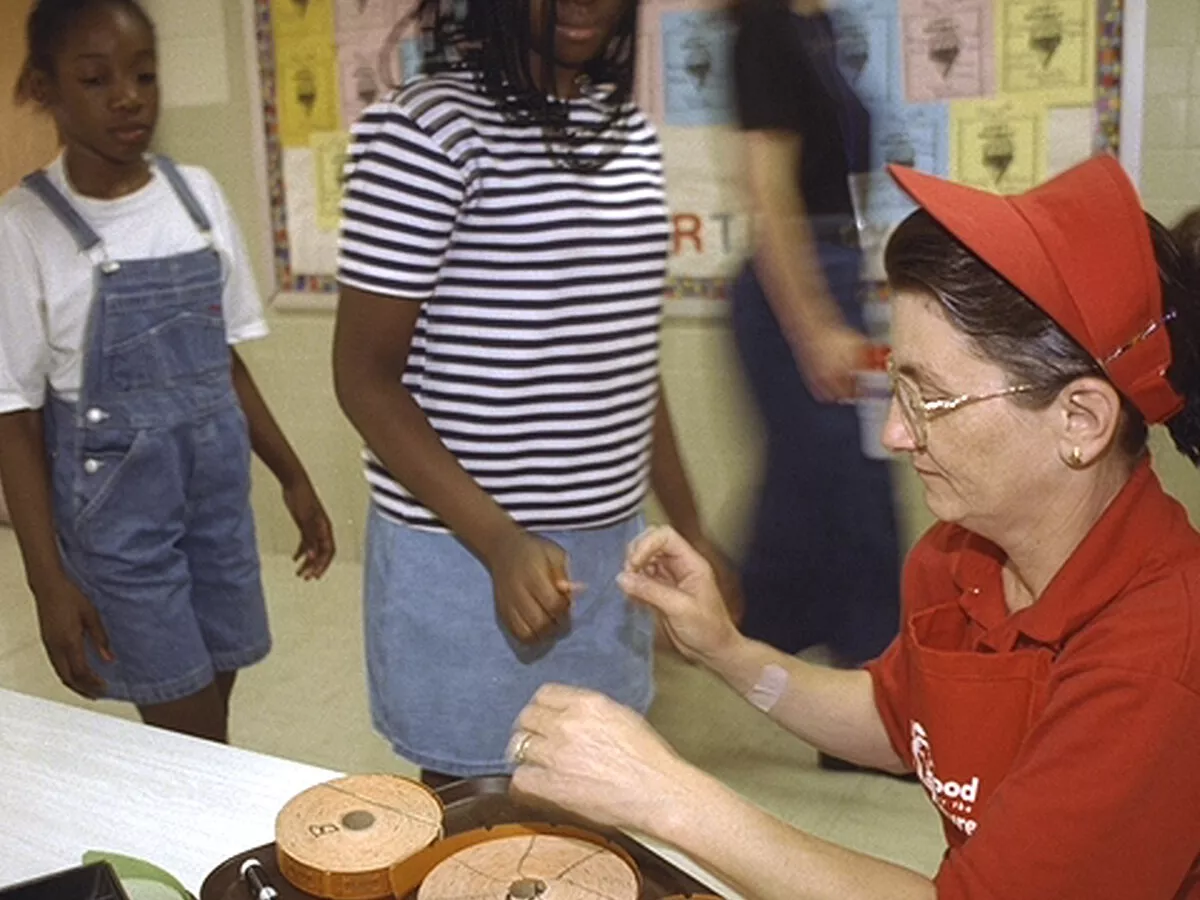
Image information
This is a representative image for this Daily News lesson.
Intro
At an elementary school on Maryland’s Eastern Shore, a familiar lunch menu is being used to address an environmental concern: the spread of invasive blue catfish in the Chesapeake Bay and its tributaries.
Vocabulary
| Word | Part of speech | Meaning | Example |
|---|---|---|---|
| initiative noun | noun | Meaning: a planned effort intended to achieve a particular social, environmental, or organizational goal | Example: The university launched an initiative to reduce unnecessary energy consumption. |
| tributaries noun | noun | Meaning: smaller rivers or streams that flow into a larger river, lake, or body of water | Example: Pollution from several tributaries threatened the quality of the main river. |
| apex noun | noun | Meaning: the highest point or level of something | Example: The species occupies the apex of the local food chain. |
| intensified verb | verb | Meaning: made something stronger, more serious, or more extreme | Example: The drought intensified pressure on the region’s water supplies. |
| ecological adjective | adjective | Meaning: relating to the relationships between organisms and their physical environment | Example: The project’s ecological consequences were assessed before construction began. |
| recognizable adjective | adjective | Meaning: familiar enough to be identified or understood readily | Example: The redesigned logo remains recognizable despite its simpler appearance. |
| abstract adjective | adjective | Meaning: existing as a general idea rather than as something concrete or directly experienced | Example: The lecturer transformed an abstract theory into a practical decision-making framework. |
The story
At Preston Elementary School on Maryland’s Eastern Shore, lunchtime comes with an unusual environmental lesson. Alongside grapes, broccoli, and the usual choices, students can select a catfish cake sandwich known as a “catty patty.” Some add ketchup or mayonnaise; others eat the fish without toppings, or even leave off the bun.
The meal is part of a local initiative designed to encourage children to eat blue catfish, an invasive species that has spread through the Chesapeake Bay and its tributaries in recent decades. The approach is simple: if the fish is appealing and nutritious, serving it at school could help create demand for a species that authorities and communities want to keep in check.
Blue catfish are not merely an unfamiliar addition to the menu. They have become an apex predator in the Chesapeake ecosystem, meaning they occupy a high position in the food chain. The fish can grow to more than 100 pounds, and its broad appetite has intensified concerns about the native species it consumes. These include blue crabs and rockfish, both of which are important local seafood.
Beth Brewster, who oversees food services for Caroline County Public Schools, helped lead the development of the fish cake. She describes it as both enjoyable and good for students, while also emphasizing its ecological benefit. The connection is deliberately practical: a school meal can introduce children to a regional food while supporting efforts to reduce pressure from an invasive predator.
The response has been mixed, particularly when pizza is available on the same day. Nevertheless, more students have tried the catfish when it is offered a couple of times each month. The initiative therefore depends less on persuading every child immediately than on making an unfamiliar species a recognizable part of the local diet.
In this setting, environmental management is presented not as an abstract scientific problem but as a choice placed directly on a lunch tray. Whether that strategy can significantly affect the Chesapeake’s ecosystem remains unclear, but it offers an accessible way to connect conservation concerns with everyday behavior.
Warm-up questions
- What environmental problems might be addressed through ordinary food choices?
- Would you try a school meal made from an invasive species? Why or why not?
Comprehension questions
- What does the catty patty initiative seek to accomplish?
- Why are blue catfish a concern in the Chesapeake ecosystem?
- Who helped develop the fish cake, and what benefits did she emphasize?
- How has student response affected the initiative’s development?
- What limitation does the article acknowledge about the strategy?
Opinion questions
- Should schools use meals to promote environmental objectives, even when students’ responses are mixed?
- Is making an invasive species appealing an ethically persuasive conservation strategy?
Further discussion
- What other everyday institutions could connect environmental management with personal behavior?
- How might the initiative change if blue catfish became scarce rather than abundant?
Writing prompt
- Write a 250-word editorial evaluating whether the catty patty initiative is a meaningful form of environmental management.