Mexico’s Baja California prepares for Hurricane Polo as Hurricane Nolo moves away from Hawaii
 By Emma Carter
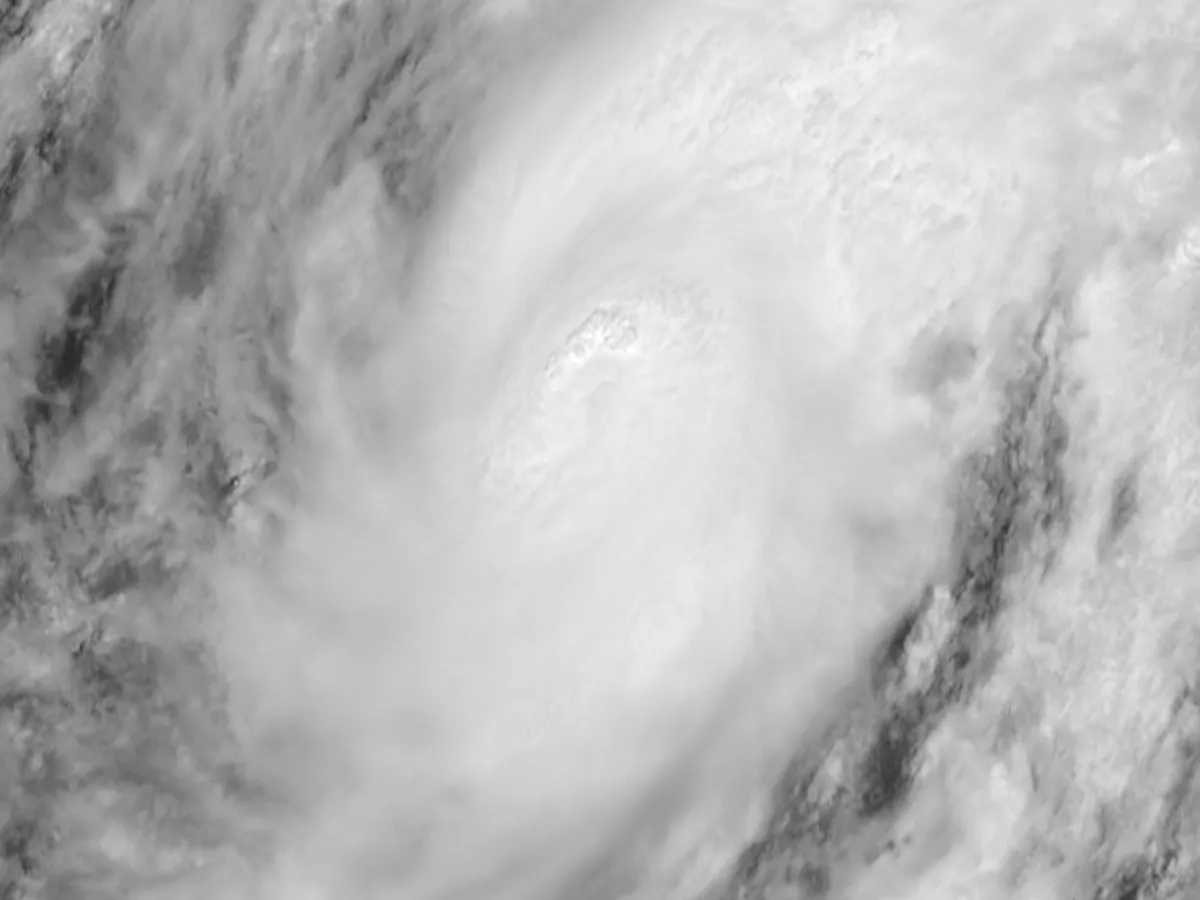
Image information
This is a representative image for this Daily News lesson.
Intro
Major Hurricane Polo is approaching Mexico’s Baja California peninsula while Hurricane Nolo moves farther from the Hawaiian Islands, where heavy rain and flash flooding remain possible.
Vocabulary
| Word | Part of speech | Meaning | Example |
|---|---|---|---|
| approaching verb (present participle) | verb (present participle) | Meaning: moving nearer to a place or situation | Example: The research team is approaching the problem from several complementary perspectives. |
| hazards noun | noun | Meaning: potential sources of danger, harm, or difficulty | Example: Before construction began, engineers assessed the hazards associated with unstable ground. |
| specify verb | verb | Meaning: to state or identify something precisely and explicitly | Example: The agreement does not specify how disagreements should be resolved. |
| recedes verb | verb | Meaning: moves farther away or decreases in intensity, importance, or extent | Example: As the floodwater recedes, residents can begin assessing the damage. |
| distinction noun | noun | Meaning: a meaningful difference between two things or situations | Example: The distinction between correlation and causation is central to the analysis. |
| speculation noun | noun | Meaning: reasoning or discussion based on incomplete evidence rather than established facts | Example: The report avoids speculation about the policy’s long-term consequences. |
| persists verb | verb | Meaning: continues to exist or remain despite changing circumstances | Example: Public concern persists even after officials release additional information. |
The story
Major Hurricane Polo is approaching Mexico’s Baja California peninsula, according to reports published on September 28. The coverage identifies several hazards associated with the storm, including storm surge, high winds, and heavy rain. These conditions could create serious risks along the peninsula, although the available reports do not specify a landfall location or describe confirmed effects.
At the same time, Hurricane Nolo is moving farther away from the Hawaiian Islands. One report describes the storm as edging away on Sunday, indicating that its position is changing. However, the storm’s departure does not eliminate the danger in the islands. Heavy rain and flash flooding remain possible, leaving a continuing weather threat even as Nolo recedes.
The reports therefore describe two separate hurricane situations across the Pacific. Polo is moving toward land in Baja California, where storm surge, strong winds, and intense rainfall are the principal hazards identified in the coverage. Nolo, by contrast, is moving away from Hawaii but may still produce enough rain to cause flooding. The distinction shows why a storm’s direction is only one part of assessing its effects.
The source material does not report confirmed damage, casualties, evacuations, or emergency measures. It also offers no additional details about Polo’s intensity beyond classifying it as a major hurricane. Those limits are important because they separate established information from speculation about what might happen next. Based on the available facts, Polo is bearing down on Baja California, while Nolo’s rainfall-related risks around the Hawaiian Islands persist.
Taken together, the coverage presents a divided regional picture. Mexico faces the approach of a major hurricane with multiple coastal and weather hazards. Hawaii is no longer facing Nolo’s direct approach, yet heavy rain and flash flooding remain possible. Monitoring the storms’ movement and associated hazards is therefore relevant in both locations, despite the different stages of each system.
Warm-up questions
- How might a storm moving away from an island continue to create serious hazards there?
- What information would you need before making a reliable assessment of a hurricane’s likely effects?
Comprehension questions
- What hazards does Hurricane Polo pose to Baja California according to the coverage?
- Why does Nolo’s movement away from Hawaii not eliminate the threat there?
- How does the article contrast the situations facing Polo and Nolo?
- What kinds of information does the source material not confirm?
- Why does the article emphasize the limits of the available reports?
Opinion questions
- Which presents the greater communication challenge: a storm approaching land or one moving away while hazards persist? Explain your reasoning.
- How should news organizations communicate uncertainty when reporting developing weather threats?
Further discussion
- How might emergency planners respond differently to Polo’s approach and Nolo’s continuing rainfall risk?
- What broader lesson does the article suggest about interpreting a hazard through a single indicator such as direction?
Writing prompt
- Write a concise analytical briefing comparing the risks posed by Polo and Nolo, while distinguishing confirmed information from reasonable inference.