Scientists think they have found ancient signs of dinosaur blood
 By Emma Carter
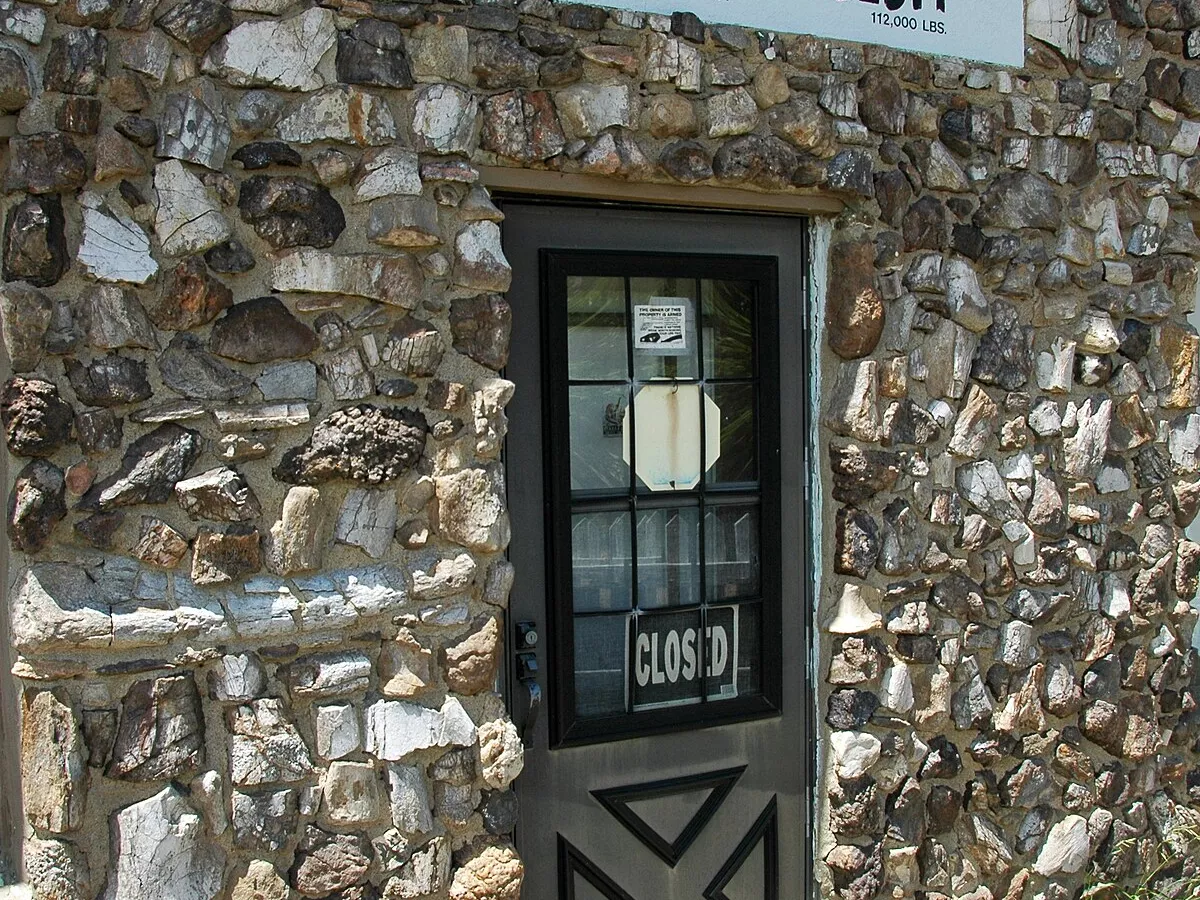
Image information
This is a representative image for this Daily News lesson.
Intro
Scientists have studied dinosaur bones, eggs, and footprints. Now, some believe they may have found their strongest evidence yet of dinosaur blood.
Vocabulary
| Word | Part of speech | Meaning | Example |
|---|---|---|---|
| remains noun | noun | Meaning: The parts of a person, animal, or thing that are left after it is gone. | Example: The team studied the remains of an old building. |
| evidence noun | noun | Meaning: Facts or signs that help show whether something is true. | Example: The photo was evidence that the package had arrived. |
| trace noun | noun | Meaning: A small sign or mark left by someone or something. | Example: We found a trace of paint on the table. |
| unusual adjective | adjective | Meaning: Different from what is usual or expected. | Example: It was unusual to see snow in April. |
| confirmed verb | verb | Meaning: Shown to be true or correct. | Example: The office confirmed that the meeting would begin at noon. |
The story
Scientists have studied many kinds of dinosaur remains. These include bones, eggs, and footprints. Now, some scientists think they have found their strongest evidence yet of dinosaur blood. The idea points to a possible new clue about these ancient animals.
The report does not identify a place or give details about what the scientists examined. It also does not say how the possible blood was found. The central point is the researchers’ view: they believe the evidence may be stronger than earlier evidence of dinosaur blood. Their wording is careful. They think they have found evidence; the finding is not presented as certain proof.
Bones, eggs, and footprints can each tell researchers different things about animals from the past. A footprint is a trace left by an animal, while a bone is part of its body. These are examples of evidence that can remain long after an animal has lived. Blood is different because it is soft, rather than hard like bone. In general, soft parts of living things do not last as easily as hard parts. That makes a possible sign of blood an unusual kind of clue to study.
Scientists use evidence to build a picture of life in the distant past. Each clue may answer some questions while leaving others open. If the possible evidence is confirmed, it could give researchers another way to learn about dinosaurs. For now, the key point is that some scientists consider it their strongest evidence yet of dinosaur blood. The report does not provide further details about what the clue could show.
Warm-up questions
- What kinds of things can scientists learn from bones or footprints?
- What evidence would help you believe that an unusual discovery is real?
Comprehension questions
- What kinds of dinosaur remains have scientists studied?
- What does the report say about where the scientists worked?
- Why is a possible sign of dinosaur blood unusual?
- How do the scientists describe their finding?
- What could confirmed evidence give researchers?
Opinion questions
- Which kind of clue about ancient animals would you most like to study, and why?
- How certain should scientists be before they call a finding a discovery?
Further discussion
- Why might scientists need several kinds of evidence to understand the past?
- What questions would you ask the researchers about this possible clue?
Writing prompt
- Write a short paragraph about how evidence can help scientists learn about animals from the past. Give one example.