
A fossil feather from the age of dinosaurs may explain why only some birds survived
 By Emma Carter
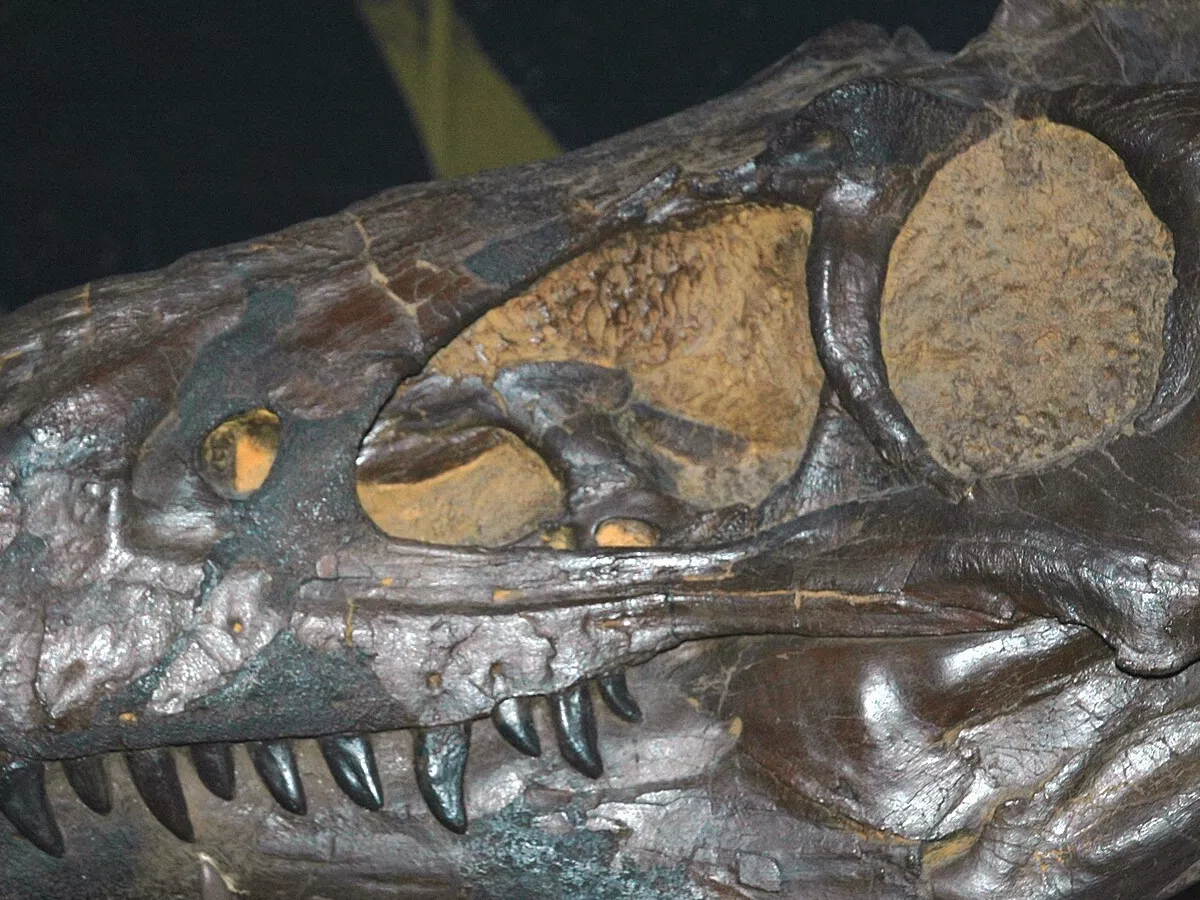
Image information
This is a representative image for this Daily News lesson.
Intro
A fossil feather from the age of dinosaurs may offer a clue about why some birds survived while others did not.
Vocabulary
| Word | Part of speech | Meaning | Example |
|---|---|---|---|
| fossil noun | noun | Meaning: the remains or mark of a plant or animal from a very long time ago | Example: The museum displayed a fossil from an ancient animal. |
| clue noun | noun | Meaning: a piece of information that helps explain something | Example: The old map gave us a clue about the missing road. |
| preserve verb | verb | Meaning: to keep something safe or in its original condition | Example: Cold, dry conditions can preserve ancient objects. |
| distant adjective | adjective | Meaning: far away in time or place | Example: The scientists studied stories from the distant past. |
| confirmed adjective | adjective | Meaning: shown to be true or certain | Example: The team does not yet have a confirmed answer. |
The story
A fossil feather from the age of dinosaurs may help explain why only some birds survived. The finding is the subject of a report from NPR. It connects one small piece of ancient evidence with a much larger question about the history of birds.
The key word in the report is “may.” The feather could offer a clue, but the supplied information does not say that it gives a complete answer. It also does not say that the fossil proves exactly why some birds survived while others did not. Instead, the finding may help scientists understand the difference between these groups of birds.
Fossils are important because they preserve evidence from the distant past. A feather can be a small object, but it may still be useful when people study how ancient birds lived and changed. In this case, the fossil comes from the age of dinosaurs and may be linked to the question of survival.
The report does not provide a final explanation in the available story package. It presents the fossil as a possible way to learn more about a major change in bird history. That makes the feather important not because it answers every question, but because it may add a new clue.
The finding also shows why careful language matters in science. A possible explanation is different from a confirmed one. More evidence may be needed before scientists can say what caused only some birds to survive.
Warm-up questions
- What can scientists learn from fossils?
- Why might a small object be important to a scientist?
Comprehension questions
- What might the fossil feather help explain?
- What does the word “may” show in the report?
- Why are fossils important?
- Why is the feather important, according to the report?
- What may scientists need before giving a final explanation?
Opinion questions
- Do you think one small fossil can be useful evidence? Why or why not?
- Is careful language important in science? Explain your view.
Further discussion
- What other evidence could help explain why some birds survived?
- Why should people separate possible explanations from confirmed facts?
Writing prompt
- Write a short paragraph explaining what the fossil feather may teach scientists and why more evidence could be needed.
Practice this story
4 testsSources
Topics
-
Science & Technology
John Coltrane’s Philadelphia home is planned as a cultural heritage and community space
Sep 6, 2026 2 min read B1 -
![Representative image: Title: Tech High School students, [Washington, D.C.], c.1936 Abstract/medium: 1 negative : safety film ; 5 x 7 in. or smaller Oral history interview with Philip Fletcher Bell, circa 1963, conducted by Harlan B. Phillips](https://cdn.englishtestkit.com/302/conversions/daily-news-13-tech-high-school-students-washington-dc-c1936-lccn2016851281-card.webp)
Science & Technology
Technology Is Reshaping Education. But Is It Helping Students Learn?
Sep 5, 2026 2 min read B1 -
Science & Technology
‘Fire amoeba’ sets a new thermal limit for complex life
Sep 23, 2026 2 min read C2 -
Science & Technology
Archaeologists race to save artifacts in Alaska after storm damage
Sep 20, 2026 2 min read B2 -
Science & Technology
Science roundup highlights T. rex footprints, solar “superflares,” and reading’s reported brain benefits
Sep 18, 2026 2 min read C2 -
Science & Technology
Pennsylvania Reports Third Measles-Related Death in Less Than Three Weeks
Sep 14, 2026 2 min read C1