Short Wave explores ancient sea monsters, long COVID and elephant carcasses
 By Emma Carter
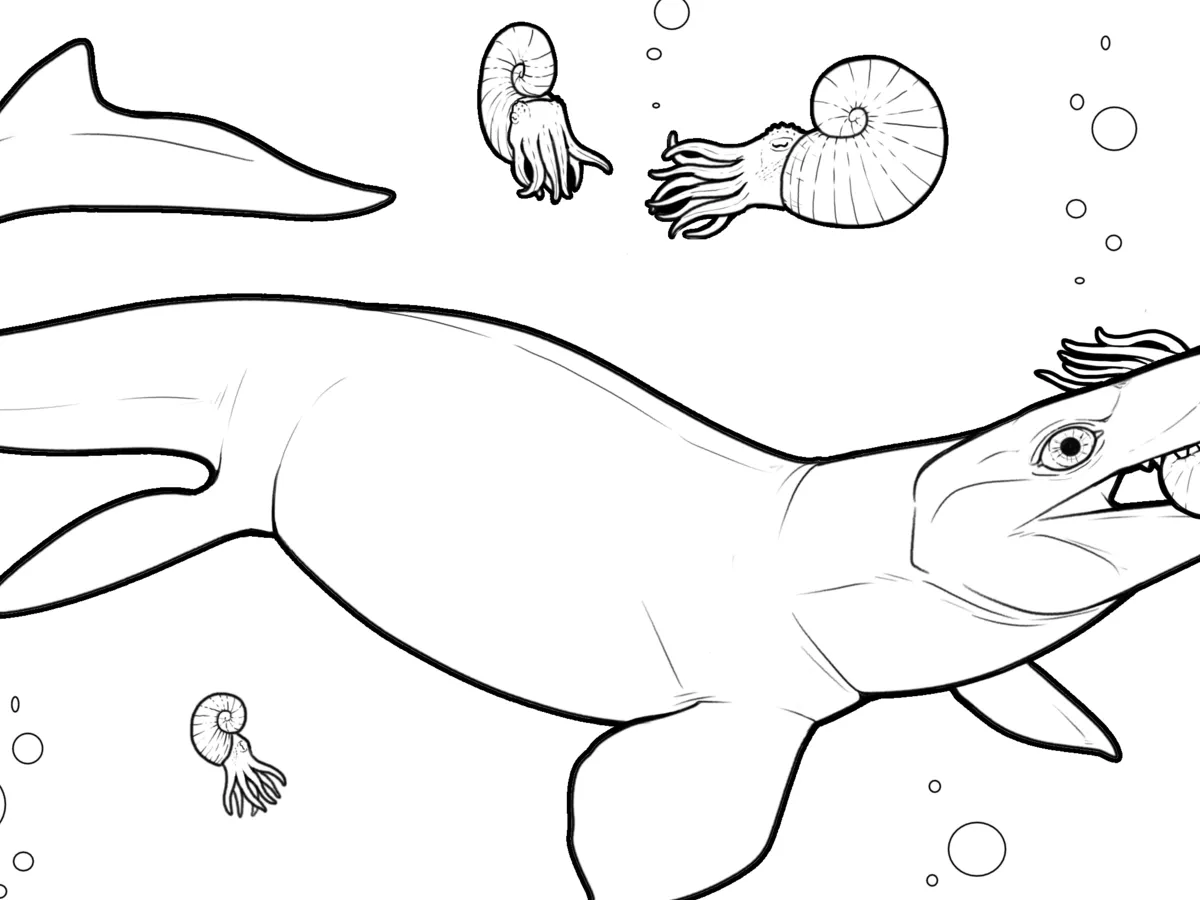
Image information
This is a representative image for this Daily News lesson.
Intro
NPR’s Short Wave presents three science stories in its latest episode: ancient sea monsters, the microbiome of people with long COVID, and elephant carcasses on the savannah.
Vocabulary
| Word | Part of speech | Meaning | Example |
|---|---|---|---|
| evidence noun | noun | Meaning: facts or information that help show whether something is true | Example: Scientists need evidence before they accept a new idea. |
| microbiome noun | noun | Meaning: the community of tiny organisms living in and on a body | Example: A healthy microbiome may support the human body. |
| condition noun | noun | Meaning: a health problem or illness | Example: The condition made it difficult for him to work. |
| carcass noun | noun | Meaning: the dead body of an animal | Example: The birds gathered around the animal carcass. |
| replenish verb | verb | Meaning: to fill something again or make it full again | Example: Rain helps replenish the water in the dry soil. |
The story
NPR’s science podcast Short Wave looks at three different questions in its latest science episode. The topics move from ancient oceans to human health and the African savannah.
One story examines the hunting habits of ancient sea monsters. These animals lived long before modern people, and scientists use evidence from fossils to learn how they moved, found food and survived. The episode focuses on what their hunting behavior may reveal about life in ancient seas.
Another story looks at the microbiome of people with long COVID. The microbiome is the community of tiny organisms that lives in and on the human body. Many of these organisms are found in the digestive system. Long COVID is a condition in which health problems continue after an initial COVID-19 infection. The episode considers the connection between this condition and the microbiome of affected patients.
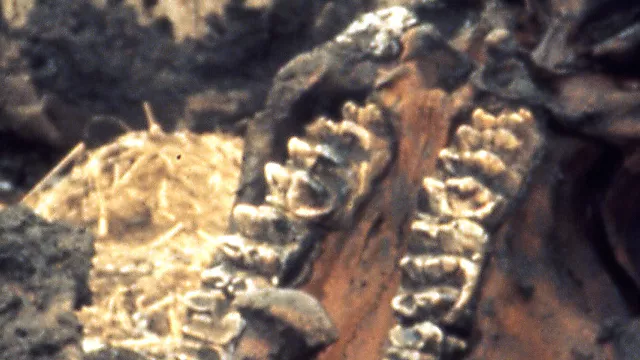
The third story explores what happens when elephants die and their bodies remain in the savannah. A carcass can become part of the ecosystem, providing food and nutrients for other living things. In this way, the remains of a large animal can help replenish the land.
Together, the three stories show how science can study very different parts of life: animals from the distant past, microscopic life inside the human body and the movement of nutrients through nature. Short Wave presents them as part of this week’s science coverage.
Warm-up questions
- What kinds of questions might scientists ask about ancient animals?
- How might a dead animal become useful to other living things?
Comprehension questions
- What three broad areas does the episode cover?
- How do scientists learn about ancient sea monsters?
- What is the microbiome?
- What happens to elephant bodies in the savannah?
- How are the three stories connected?
Opinion questions
- Which of the three science stories would you most like to hear, and why?
- Do you think podcasts are a good way to learn science? Explain your answer.
Further discussion
- What other evidence could scientists use to study ancient sea monsters?
- What animals or plants might benefit from an elephant carcass?
Writing prompt
- Write a short summary explaining the three science stories and how they are connected.