2026 Nobel Peace Prize Recipient Will Be Announced Friday
 By Emma Carter
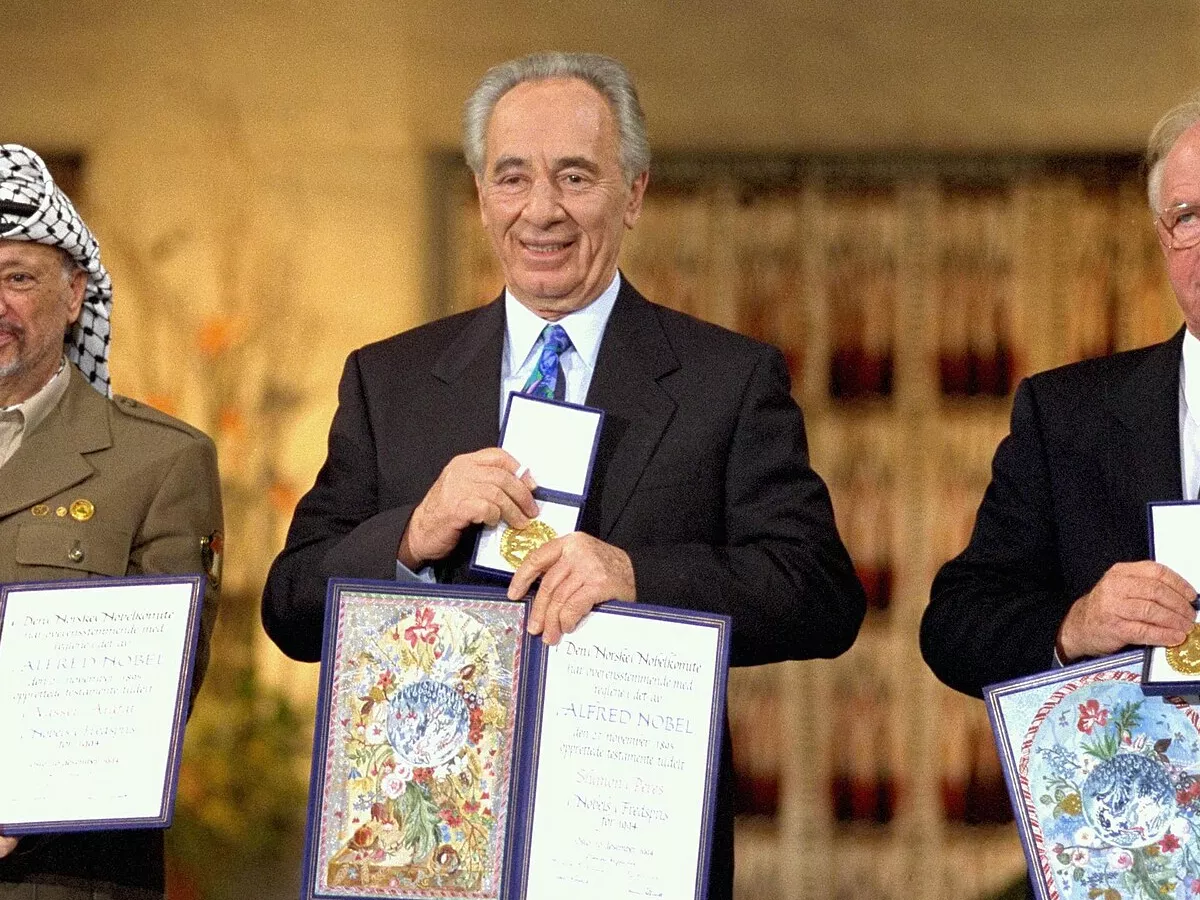
Image information
This is a representative image for this Daily News lesson.
Intro
The recipient of the 2026 Nobel Peace Prize will be announced Friday. No further details about the decision have been established.
Vocabulary
| Word | Part of speech | Meaning | Example |
|---|---|---|---|
| conjecture noun | noun | Meaning: An opinion or conclusion formed without sufficient evidence. | Example: The committee rejected conjecture presented as though it were verified reporting. |
| anticipated adjective | adjective | Meaning: Expected or looked forward to before it occurs. | Example: The anticipated announcement prompted intense scrutiny of every official statement. |
| mediation noun | noun | Meaning: Intervention between disputing parties to help them reach agreement. | Example: Successful mediation requires patience, credibility, and a willingness to clarify competing interests. |
| entails verb | verb | Meaning: Involves or necessarily includes a particular consequence or requirement. | Example: Responsible analysis entails acknowledging uncertainty rather than disguising it with confidence. |
| rationale noun | noun | Meaning: The underlying reasoning or justification for an action or decision. | Example: The report explained the rationale for postponing the negotiations. |
| blur verb | verb | Meaning: To make a distinction or boundary less clear or precise. | Example: Selective quoting can blur the difference between an allegation and a demonstrated fact. |
| undisclosed adjective | adjective | Meaning: Not revealed or made publicly known. | Example: The agreement contains undisclosed provisions that may affect its interpretation. |
| straightforward adjective | adjective | Meaning: Clear, uncomplicated, and not open to serious ambiguity. | Example: Her straightforward account separated documented facts from reasonable inferences. |
The story
The recipient of the 2026 Nobel Peace Prize will be announced Friday. At present, the available information establishes the timing of the announcement, but not the identity of the recipient or the considerations behind the decision.
That narrow certainty matters. Major international awards often generate a mixture of expectation, interpretation, and conjecture before a result is released. Yet an anticipated decision is not itself evidence of who has been chosen. Until the announcement, any proposed recipient remains unconfirmed.
The Nobel Peace Prize is widely understood as a recognition connected with efforts to promote peace. As general background, peace-related work can take many forms: mediation between opposing sides, support for dialogue, protection of rights, or attempts to address conditions that make conflict more likely. This broad field makes it especially important to distinguish a prize’s eventual recipient from the many kinds of work that may be associated with peace.
An award announcement also has a public dimension beyond the naming of a recipient. It can focus international attention on a person, organization, or issue; it can prompt discussion about what effective peace-building entails; and it can invite differing interpretations of the values reflected in the choice. Those broader reactions, however, depend on facts that will emerge only after the decision is made public.
For now, the event remains defined by anticipation rather than resolution. The recipient has not been identified, and no verified details have been established about the rationale, the recognized work, or any response to the decision. Treating those matters as settled in advance would blur the distinction between information and expectation.
Friday’s announcement will change that position by supplying the central fact now absent from public view: who will receive the 2026 Nobel Peace Prize. Once the name is known, attention can turn to the recipient’s work and to the significance observers may attach to the decision.
Until then, the confirmed point is straightforward. The 2026 Nobel Peace Prize is due to be announced Friday, while the outcome remains undisclosed.
Warm-up questions
- How should responsible reporting distinguish anticipation from evidence before a major decision?
- What kinds of peace-related work might merit international recognition, and why?
Comprehension questions
- What information is currently confirmed about the Nobel Peace Prize announcement?
- Why does the article caution readers against treating an anticipated result as evidence?
- Which forms of peace-related work does the article mention as general background?
- What broader effects might follow the announcement?
- What central fact will Friday’s announcement supply?
Opinion questions
- Should organizations disclose more reasoning when announcing major international awards? Explain your position.
- Does withholding speculation strengthen public trust, or does it make public discussion less informed?
Further discussion
- How can journalists discuss possible award criteria without implying knowledge of an undisclosed decision?
- Can an award meaningfully shape international debates independently of the recipient’s later actions?
Writing prompt
- Write a concise analytical commentary explaining why disciplined uncertainty matters in reporting an imminent international award announcement.