A 3,156-Pound Pumpkin Sets a New Benchmark in Rhode Island
 By Emma Carter
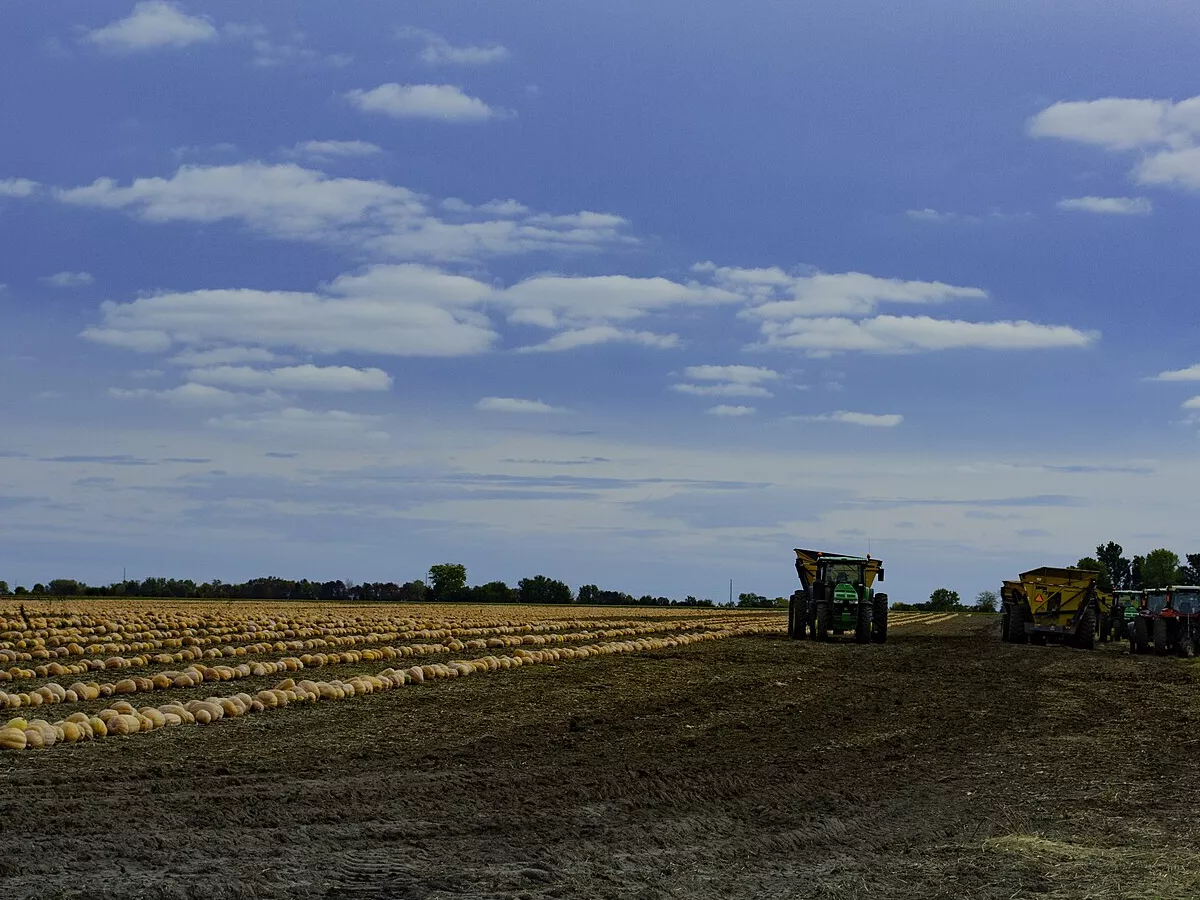
Image information
This is a representative image for this Daily News lesson.
Intro
A farmer in Rhode Island has grown a pumpkin weighing 3,156 pounds, establishing a new benchmark for the largest gourds.
Vocabulary
| Word | Part of speech | Meaning | Example |
|---|---|---|---|
| benchmark noun | noun | Meaning: A standard used for comparison or assessment. | Example: The laboratory established a benchmark for measuring battery efficiency. |
| extraordinary adjective | adjective | Meaning: Far beyond what is usual, expected, or ordinary. | Example: The researchers documented an extraordinary recovery after the treatment. |
| comparable adjective | adjective | Meaning: Similar enough to another thing to permit meaningful comparison. | Example: The two studies used comparable methods and produced similar findings. |
| cultivated adjective | adjective | Meaning: Grown or developed deliberately through human care. | Example: The museum preserves several varieties of cultivated plants. |
| sustained adjective | adjective | Meaning: Maintained continuously or over an extended period. | Example: Sustained investment was essential to completing the infrastructure project. |
| specimens noun | noun | Meaning: Individual examples representing a particular type or category. | Example: The researchers compared specimens from several coastal ecosystems. |
| surpass verb | verb | Meaning: To exceed a previous level, standard, or achievement. | Example: The revised design may surpass the original in both efficiency and durability. |
The story
A farmer in Rhode Island has produced a pumpkin weighing 3,156 pounds, creating a new benchmark for the greatest of all gourds. The extraordinary harvest was reported this year and stands out not merely because of its size, but because it establishes a new measure against which future giant pumpkins may be judged.
A pumpkin of this scale is far removed from the familiar autumn vegetable found in kitchens, markets, and seasonal displays. Its weight makes the achievement immediately understandable: it is comparable to the mass of a small car, although the pumpkin remains a single cultivated fruit. The result reflects the patient, specialized practice associated with growing unusually large produce.
Giant-pumpkin cultivation requires careful attention to conditions that ordinary gardening can tolerate more easily. A grower must support sustained plant growth while protecting the fruit from damage as it expands. Soil, water, weather, and timing all influence the final result, even when the precise methods behind an individual harvest are not publicly known.
The Rhode Island farmer’s accomplishment is therefore both agricultural and cultural. Autumn traditions often celebrate pumpkins for their color, shape, and connection with harvest festivals; giant specimens add a competitive dimension to that familiar seasonal symbol. Their appeal lies in the tension between an ordinary object and an astonishing scale.
At 3,156 pounds, this pumpkin now represents the leading measure identified in the report. The farmer’s name and the specific growing process were not supplied, but the central achievement is clear: one harvest has expanded expectations for what a gourd can become. For enthusiasts and growers, the new benchmark may encourage future attempts to surpass it, while for the wider public, it offers a striking reminder that agricultural skill can produce results that seem almost unreal.
Warm-up questions
- What qualities distinguish an impressive achievement from a merely unusual result?
- How can a familiar agricultural product acquire cultural or competitive significance?
Comprehension questions
- What makes the pumpkin significant beyond its exceptional size?
- How does the article make the pumpkin’s weight easier to understand?
- Which factors influence the final result of giant-pumpkin cultivation?
- Why does the article describe the accomplishment as both agricultural and cultural?
- What possible effect might the new benchmark have on growers?
Opinion questions
- Should agricultural competitions prioritize size, sustainability, appearance, or another criterion? Explain your position.
- Does turning an ordinary food into a record-setting object deepen public appreciation of agriculture, or merely sensationalize it?
Further discussion
- What kinds of expertise remain invisible when a record-breaking agricultural result is presented without detailed methods?
- How might cultural traditions change when competition becomes attached to familiar seasonal symbols?
Writing prompt
- Write a 250-word editorial assessing whether the Rhode Island pumpkin’s new benchmark should be viewed primarily as an agricultural achievement, a cultural phenomenon, or both.