
Gloria Steinem, a Defining Voice of the Modern Women’s Movement, Dies at 92
 By Emma Carter
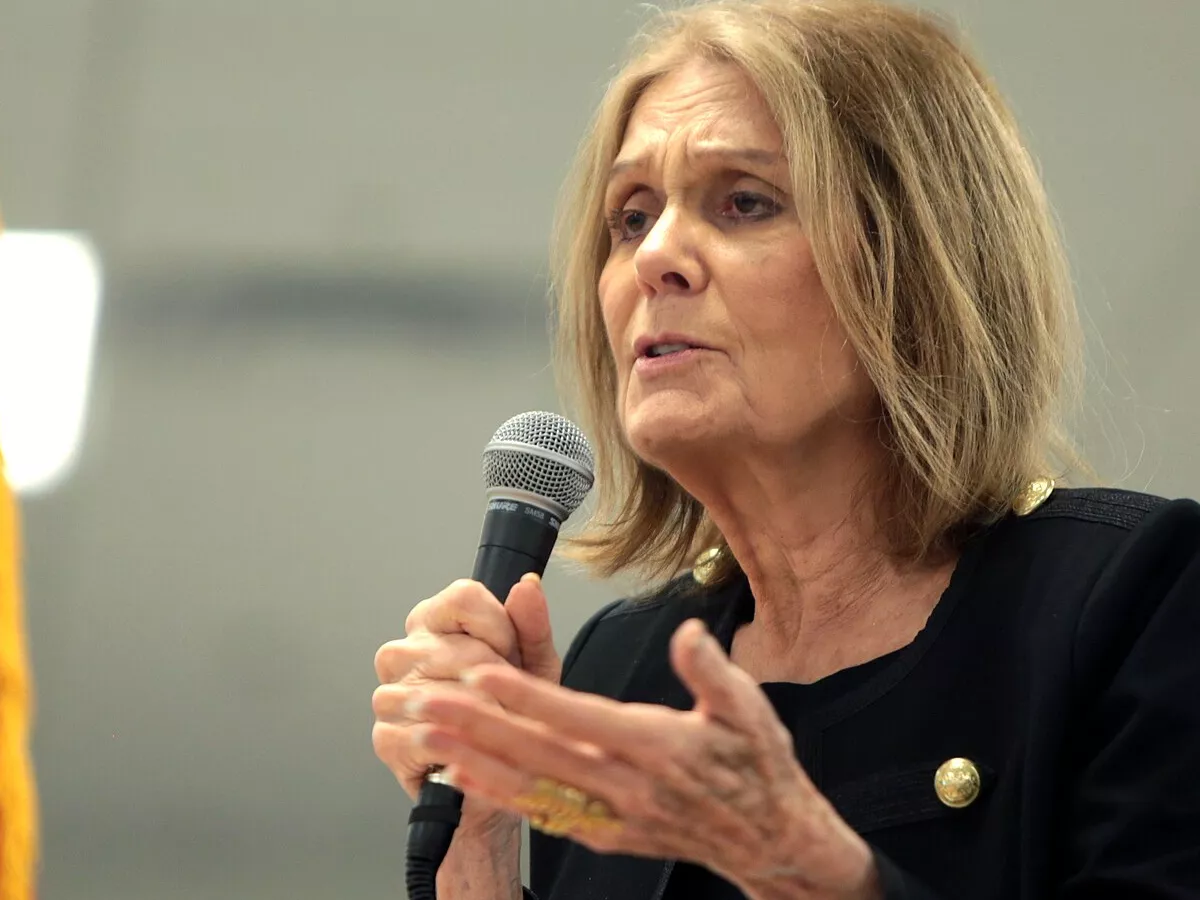
Image information
This is a representative image for this Daily News lesson.
Intro
Gloria Steinem, whose journalism and activism made her one of the most recognizable figures in the modern women’s movement, has died at 92.
Vocabulary
| Word | Part of speech | Meaning | Example |
|---|---|---|---|
| pioneering adjective | adjective | Meaning: Introducing original methods or ideas and thereby opening a new field of possibility. | Example: Her pioneering research transformed how scholars understood linguistic variation. |
| recognizable adjective | adjective | Meaning: Distinctive or familiar enough to be identified readily. | Example: The composer developed a recognizable style without resorting to repetition. |
| confronted verb | verb | Meaning: Addressed a difficult reality or opposing force directly and deliberately. | Example: The commission confronted institutional failures that officials had previously ignored. |
| confined verb | verb | Meaning: Restricted someone or something within narrow physical, social, or conceptual limits. | Example: The policy confined talented researchers to roles with little autonomy. |
| consequential adjective | adjective | Meaning: Having significant effects or importance, especially over an extended period. | Example: The ruling was consequential because it altered the agency’s legal authority. |
| solidarity noun | noun | Meaning: Unity grounded in shared interests, responsibilities, or resistance to injustice. | Example: The workers acted in solidarity when management threatened collective bargaining rights. |
| grievances noun | noun | Meaning: Complaints arising from perceived injustice, unfair treatment, or persistent hardship. | Example: The tribunal documented the community’s grievances before recommending institutional reforms. |
| entrenched adjective | adjective | Meaning: Deeply established and resistant to alteration or removal. | Example: Entrenched assumptions can survive even after formal policies have changed. |
The story
Gloria Steinem, the pioneering journalist and activist who became one of the most recognizable voices of the modern women’s movement, has died at the age of 92. Her death marks the passing of a figure whose public work helped reshape how many Americans discussed gender, power, and equality.
For more than half a century, Steinem confronted assumptions that had long been treated as ordinary features of American life. At a time when women were largely limited to domestic roles, she challenged gender stereotypes and resisted the expectation that women’s identities and ambitions should be confined to the private sphere. Her work insisted that women belonged fully in public, professional, and political life.
That argument was consequential because it connected individual experience to broader structures of authority. Questions about unequal expectations, restricted choices, and social power could no longer be dismissed as merely personal difficulties. They became subjects for journalism, activism, public debate, and political action.
Steinem’s influence extended beyond any single article, campaign, or political moment. She helped bring the fight for women’s equality from the margins of American life into the mainstream, where it could command wider attention and provoke sustained disagreement. Her prominence also made her a particularly visible interpreter of a society beginning to reconsider assumptions about gender.
The ideals associated with her advocacy included equality, sisterhood, and reproductive freedom. Taken together, they expressed a vision of feminism that joined solidarity among women with the right to make consequential decisions about their own lives. They also gave public language to grievances that had often remained isolated, minimized, or privately endured.
As a journalist, Steinem used public storytelling to examine the stereotypes shaping women’s opportunities. As an activist, she helped translate those concerns into collective demands. The combination of reporting and organizing gave her work unusual reach and helped define the vocabulary of a changing American conversation.
Remembering Steinem means recognizing the scale and duration of that change. She spent decades challenging entrenched ideas about gender and power, helping alter what equality could mean in everyday life and in national debate. Her death closes the life of a trailblazer, but the questions she helped place at the center of American public life remain consequential.
Warm-up questions
- Which social assumptions are most difficult to challenge, and why?
- How can journalism transform private experiences into public concerns?
Comprehension questions
- What did Steinem’s public work help reshape?
- What roles did Steinem believe women should occupy fully?
- Why was Steinem’s argument consequential?
- Which ideals were associated with her advocacy?
- What remains consequential after Steinem’s death?
Opinion questions
- Does bringing an issue into the mainstream necessarily advance justice? Explain your position.
- Which is more influential in social change: persuasive storytelling or collective organizing?
Further discussion
- How might contemporary movements balance solidarity with disagreement over strategy?
- When does public recognition strengthen an activist’s cause, and when might it constrain it?
Writing prompt
- Write an analytical essay evaluating how Steinem connected journalism, activism, and structural change.
Practice this story
4 testsSources
Topics
-

Culture & Society
Wisconsin congressman describes swimming to safety after small plane makes emergency landing in Lake Wausau
Sep 14, 2026 2 min read C2 -

Culture & Society
Sandusky Lawyers Ask to Delay Hearing on Accuser’s Claimed Recantation
Sep 6, 2026 2 min read C2 -

Culture & Society
Afghan Woman Deported After First Case in Long-Dormant Terrorism Court
Sep 12, 2026 2 min read B1 -

Culture & Society
Why This Story Cannot Yet Be Reported as a Factual News Lesson
Sep 11, 2026 2 min read B2 -

Culture & Society
What to Know About Amazon’s Air Cargo Carrier After Miami Crash
Sep 7, 2026 2 min read B2 -

Culture & Society
Hawaii Residents Prepare for Tropical Storm Conditions as Hurricane Lowell Passes West
Sep 7, 2026 2 min read B1