WHO seeks more information after death at Russian plague research laboratory
 By Emma Carter
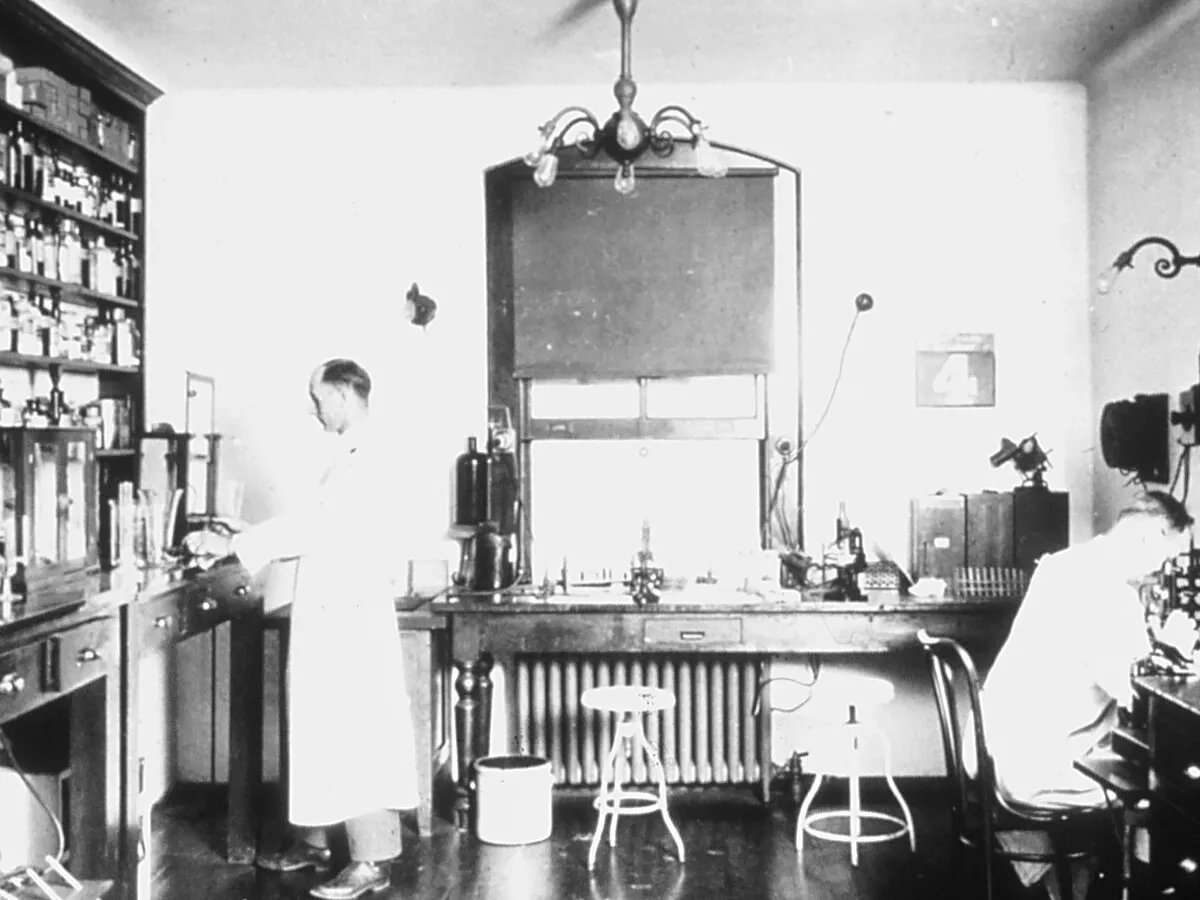
Image information
This is a representative image for this Daily News lesson.
Intro
The World Health Organization is seeking more information about the death of an employee at a Russian laboratory connected with plague research.
Vocabulary
| Word | Part of speech | Meaning | Example |
|---|---|---|---|
| seeking verb | verb | Meaning: trying to find or get something | Example: The doctor is seeking more information about the patient. |
| further adjective | adjective | Meaning: additional or more | Example: The team needs further information before making a decision. |
| origin noun | noun | Meaning: the beginning or source of something | Example: Doctors are studying the origin of the illness. |
| inflamed adjective | adjective | Meaning: red, swollen, and painful because of illness or injury | Example: The patient’s throat was inflamed after the infection. |
| isolated adjective | adjective | Meaning: separate from other similar events or problems | Example: The doctor believed the illness was an isolated case. |
The story
An employee at a Russian research laboratory connected with plague has died, and the World Health Organization is seeking more information about the cause.
The WHO said it wants further details about what caused the employee’s death. The information identifies the person as a woman but does not give her name. Russia says she died of pneumonia of unknown origin.
Pneumonia is a condition in which the lungs become inflamed. It can be caused by different infections or other health problems. The phrase “of unknown origin” means that the cause had not been identified when Russia described the death.
Plague is a serious infectious disease caused by bacteria. It can affect people and animals and has caused major outbreaks in history. A laboratory that studies plague may handle information or materials related to the disease. However, the reported facts do not say that the employee had plague. They also do not say that the death caused an outbreak or was connected to the laboratory’s research.
The WHO’s request shows that the cause of death remains an important question for international health officials. Understanding the cause can help experts decide whether a case is an isolated medical event or part of a wider health concern. That broader explanation is general health background; it does not establish what happened in this case.
For now, the confirmed account is limited. A woman who worked at a Russian plague research laboratory died. Russia described the cause as pneumonia of unknown origin, while the WHO said it wants more information.
Warm-up questions
- What information would doctors want after a person dies unexpectedly?
- What do you know about laboratories that study infectious diseases?
Comprehension questions
- What does the WHO want to learn more about?
- What information about the employee is given?
- What cause of death did Russia report?
- What does the article not say about the employee?
- Why is the cause of death important to health officials?
Opinion questions
- Do you think the WHO is right to ask for more information? Why or why not?
- How might unclear information about a death affect public concern?
Further discussion
- What information should an international health organization request in a case like this?
- Why is it important to separate confirmed facts from possible explanations?
Writing prompt
- Write a short news summary explaining what happened, what Russia reported, and what the WHO wants.