Public Health Nurse Reflects on the Moment She Learned to Ask for Help
 By Emma Carter
Image information
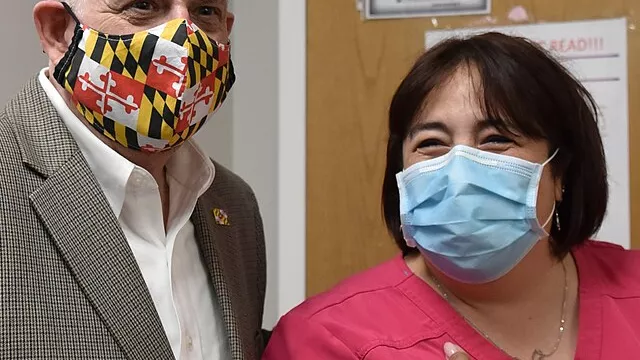
This is a representative image for this Daily News lesson.
Intro
Afaf Saleh, a public health nurse in Minnesota, recalls a difficult period in nursing school when family responsibilities and academic pressure made her consider giving up.
Vocabulary
| Word | Part of speech | Meaning | Example |
|---|---|---|---|
| abandoned verb | verb | Meaning: gave up an activity, plan, or place completely | Example: She abandoned her original travel plans after the flight was canceled. |
| ailing adjective | adjective | Meaning: suffering from an illness or in poor health | Example: He stayed home to care for his ailing father. |
| responsibilities noun | noun | Meaning: duties or tasks that someone is expected to manage | Example: Sharing responsibilities can make a difficult project more manageable. |
| appeal noun | noun | Meaning: a serious request for a decision to be changed or reconsidered | Example: The student submitted an appeal after the committee rejected her application. |
| assistance noun | noun | Meaning: help or support given to someone who needs it | Example: The organization provides financial assistance to low-income families. |
| mentor noun | noun | Meaning: an experienced person who guides and advises someone less experienced | Example: Her mentor encouraged her to apply for the leadership position. |
| struggling verb | verb | Meaning: having difficulty coping with a problem or situation | Example: Many first-year students are struggling to manage their time. |
The story
Afaf Saleh, a public health nurse in Minnesota, has described a period when she nearly abandoned her plans for a career in nursing. In a StoryCorps conversation, she spoke with Suzanne Burke Lehman, a college mentor who had supported her during nursing school.
More than a decade ago, Saleh was studying nursing while working full-time and helping support her seven siblings and her ailing mother. She said she often acted as a stand-in mother and managed important matters for her family. These responsibilities included finding money for bills and renewing paperwork needed for healthcare.
The pressure became especially serious after Saleh failed a class. She then learned that she could be removed from nursing school. She first prayed and then submitted an appeal to her professors. In it, she explained everything she was carrying as a 22-year-old and described how deeply she wanted to remain in the program.
Lehman contacted her after receiving the appeal. During a meeting in Lehman’s office, the mentor told Saleh that she recognized parts of her own life in the younger student. Lehman had also taken on major responsibilities at a young age and had once believed that she should remain silent instead of asking for assistance.
For Saleh, that conversation was important because she had felt like an unimportant student among many others. She said she was used to handling most problems alone and had not expected someone to tell her that they cared. Lehman’s support helped her see that assistance was closer than she had imagined.
Saleh’s story connects academic difficulty with the wider pressures that students may carry outside school. It also suggests that a mentor’s attention can make a difference when someone is struggling but has not yet asked for help.
Warm-up questions
- What kinds of responsibilities can make education difficult for students?
- Why might a student hesitate to ask a teacher or mentor for help?
Comprehension questions
- What combination of circumstances placed pressure on Saleh during nursing school?
- What happened after Saleh failed a class?
- How did Saleh respond to the possibility of leaving the program?
- Why was Lehman able to understand Saleh’s situation?
- What change did Lehman’s support help Saleh recognize?
Opinion questions
- Do students with serious family responsibilities deserve special flexibility from educational institutions? Explain your view.
- Is asking for help a sign of weakness, strength, or something else? Give reasons for your opinion.
Further discussion
- How could schools identify students who are carrying hidden responsibilities outside the classroom?
- What qualities make a mentor’s support particularly effective during a crisis?
Writing prompt
- Write a developed paragraph explaining how Saleh’s experience shows the value of seeking support. Use two details from the article and one example from your own experience or imagination.