
NPR report examines the stigma surrounding HIV
 By Emma Carter
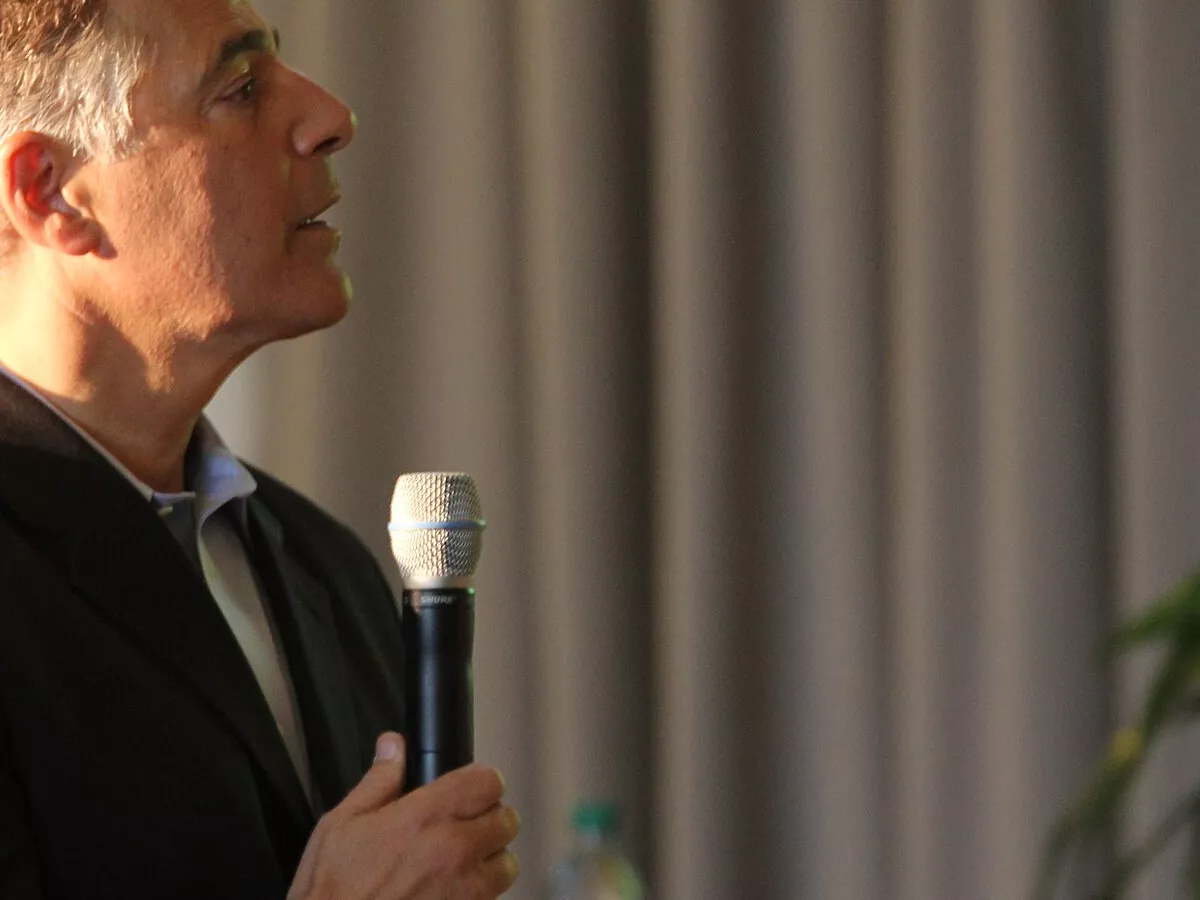
Image information
This is a representative image for this Daily News lesson.
Intro
NPR has published a report about the continuing stigma linked to HIV and the challenge of changing public attitudes.
Vocabulary
| Word | Part of speech | Meaning | Example |
|---|---|---|---|
| stigma noun | noun | Meaning: a negative and unfair belief about a person or condition | Example: Stigma can stop people from asking for help. |
| surrounding preposition | preposition | Meaning: connected with or related to something | Example: There is much discussion surrounding the new school plan. |
| continuing adjective | adjective | Meaning: still happening or existing | Example: The continuing rain delayed the game. |
| specify verb | verb | Meaning: to give exact information about something | Example: Please specify which date you prefer. |
| informed adjective | adjective | Meaning: having useful knowledge about something | Example: An informed decision uses clear and reliable information. |
The story
NPR has published a report about the stigma surrounding HIV. The report’s title links HIV with continuing fear and presents the fight against stigma as its main subject.
The story package identifies the report as a health story. However, it does not specify a location or name any people involved. It also does not provide statistics, medical advice, information about treatment, or details of a new event. Those details cannot be confirmed from the supplied information.
The main fact available is that HIV still carries social stigma. The headline suggests that some people remain afraid when they hear about the condition. It also shows that changing these attitudes is an important part of the report’s focus.
Stigma can make it harder for people to speak openly about a health condition. It may also affect how the public understands people living with HIV. These general effects are part of why respectful and informed discussion matters, but the source package does not describe the experiences of specific people.
The available information also does not explain which groups or projects are involved in fighting HIV stigma. It only confirms the report’s subject and its focus on fear and changing public attitudes.
NPR’s coverage brings attention to the difference between fear and a more informed public conversation about HIV. The report offers a starting point for that discussion, while its wider details remain unspecified in the supplied story package.
Warm-up questions
- What feelings or ideas do people sometimes connect with health conditions?
- Why can respectful public discussion help people understand health conditions better?
Comprehension questions
- What is the main subject of the NPR report?
- What information does the story package not provide?
- What medical information is missing from the package?
- Why does respectful discussion matter according to the article?
- What does NPR’s coverage provide for the public conversation?
Opinion questions
- Why do you think stigma can make it harder for people to speak openly?
- What could help create a more informed public conversation about HIV?
Further discussion
- How should news reports explain the limits of the information they provide?
- What responsibilities do communities have when discussing health conditions?
Writing prompt
- Write a short paragraph explaining why informed discussion can challenge health-related stigma.
Practice this story
4 testsSources
Topics
-

Health & Lifestyle
Genetically modified pig kidneys help two patients reach human kidney transplants
Sep 8, 2026 2 min read B1 -

Health & Lifestyle
In Chennai, Fisherfolk Face an Uncertain Struggle With the Sea
Sep 21, 2026 2 min read C1 -

Health & Lifestyle
Step, stand, stairs: New study suggests movement pace may matter for longevity
Sep 15, 2026 3 min read C2 -

Health & Lifestyle
How to Fight With the People We Care About, Illustrated
Sep 12, 2026 2 min read B2 -
Health & Lifestyle
“I’ve never seen anything like this” — A U.S. doctor treats Ebola’s youngest victims
Sep 11, 2026 2 min read C1 -
Health & Lifestyle
Whatever happened to the measles outbreak that shocked Bangladesh this year?
Sep 10, 2026 2 min read C2