California High-Speed Rail Authority Chief Executive Steps Down After Spending Questions
 By Emma Carter
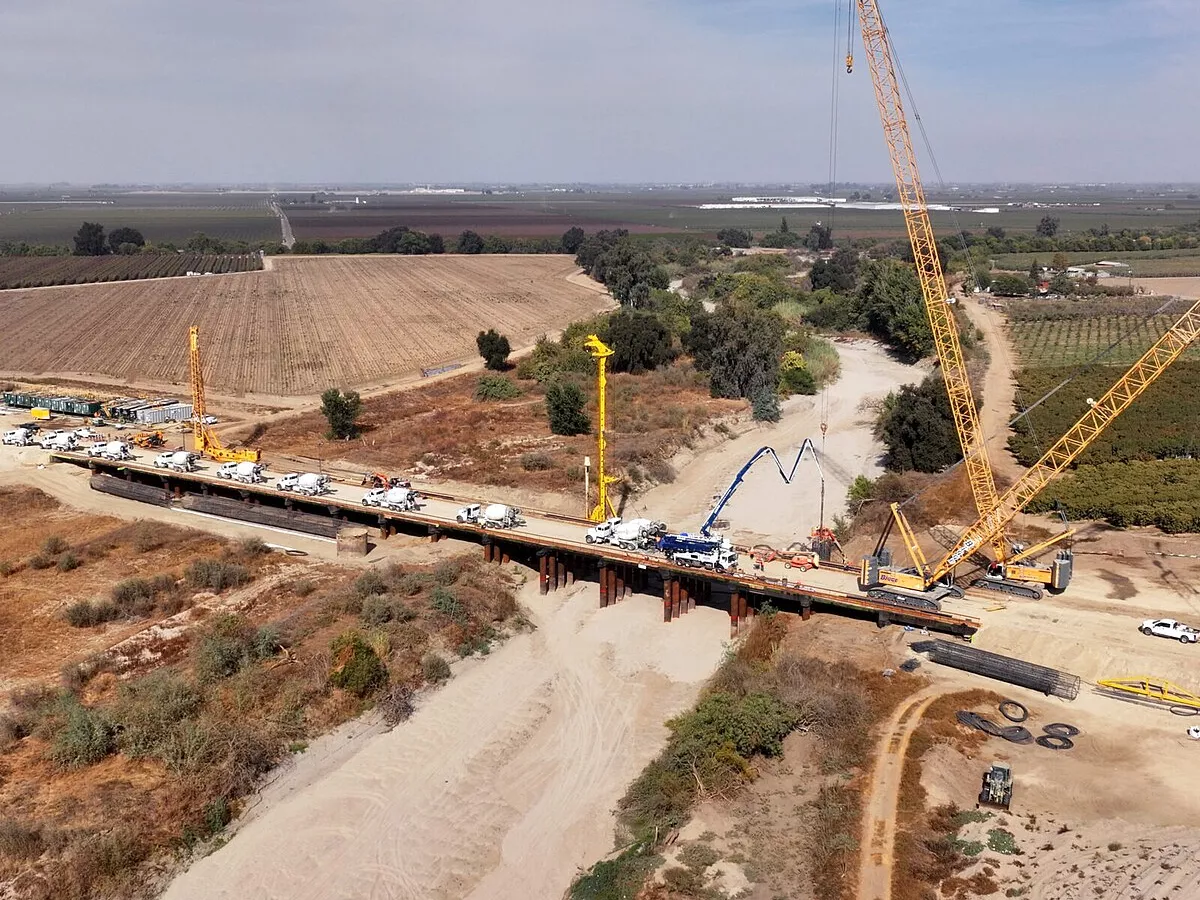
Image information
This is a representative image for this Daily News lesson.
Intro
Ian Choudri, the chief executive of the California High-Speed Rail Authority, has stepped down weeks after state investigators questioned $600,000 spent by the agency.
Vocabulary
| Word | Part of speech | Meaning | Example |
|---|---|---|---|
| scrutiny noun | noun | Meaning: Careful and critical examination, especially by officials or the public. | Example: The procurement process faced intense scrutiny after irregularities appeared in the records. |
| oversight noun | noun | Meaning: Official supervision intended to ensure that activities are lawful, responsible, and properly managed. | Example: Independent oversight can strengthen public trust in large infrastructure projects. |
| accountability noun | noun | Meaning: The obligation to explain decisions and accept responsibility for their consequences. | Example: Public accountability requires officials to disclose how funds were allocated. |
| expenditure noun | noun | Meaning: The act of spending money, or the money spent for a particular purpose. | Example: The committee requested a detailed breakdown of each major expenditure. |
| continuity noun | noun | Meaning: The preservation of an ongoing process, condition, or leadership arrangement without interruption. | Example: The interim director was appointed to preserve continuity during the transition. |
| confirmed adjective | adjective | Meaning: Established as true or accurate through reliable evidence or official information. | Example: The committee released only the confirmed details of the investigation. |
| significant adjective | adjective | Meaning: Important enough to have a noticeable effect or deserve serious attention. | Example: The appointment represented a significant change in the organization’s direction. |
The story
Ian Choudri, the chief executive of the California High-Speed Rail Authority, has stepped down from his post. His departure came weeks after state investigators questioned $600,000 in spending by the agency.
The known facts establish a sequence, rather than a confirmed explanation for the leadership change. Investigators raised questions about the spending, and Choudri left his position several weeks later. The information available does not identify the specific expenses involved or state what conclusions investigators reached.
It also does not establish that the questions about spending caused Choudri’s decision to step down. Timing can be important in public affairs, particularly when a senior official leaves after scrutiny has begun, but it is not by itself proof of motive or responsibility. No reason for Choudri’s departure has been confirmed in the available account.
The development nevertheless joins two issues that can affect public confidence: oversight of government spending and continuity of leadership. State investigators are public officials who examine matters within their authority. Their questions can lead to further review, although the fact that questions have been raised does not itself indicate that wrongdoing occurred.
Large public infrastructure bodies commonly manage complex decisions involving contracts, planning, and expenditure. Clear financial oversight is therefore a central part of their accountability. In this case, however, the confirmed detail is limited to the $600,000 figure and the fact that investigators questioned that spending.
Choudri’s resignation means the California High-Speed Rail Authority is undergoing a change at its highest executive level while the spending issue remains a matter of public attention. The available facts do not say who will lead the agency next, whether investigators will take additional action, or what effect the departure may have on its work.
For now, the central development is narrow but significant: the authority’s chief executive has stepped down after state investigators questioned agency spending. Any broader conclusion about the financial issue or Choudri’s reasons for leaving would go beyond the facts currently established.
Warm-up questions
- When might the timing of an official’s resignation attract public attention, even without proof of wrongdoing?
- What forms of oversight can help maintain public confidence in a large infrastructure agency?
Comprehension questions
- What sequence of events does the article establish?
- Why does the article avoid treating the timing as proof of causation?
- What two institutional concerns does the development bring together?
- What does the article identify as the confirmed financial detail?
- What future information remains unknown about the agency?
Opinion questions
- Should public agencies disclose more information when leadership changes follow financial scrutiny? Explain the benefits and risks.
- How should responsible reporting balance public interest with the presumption that wrongdoing has not been established?
Further discussion
- What safeguards could distinguish legitimate investigative questions from evidence of misconduct?
- How might a leadership transition affect public confidence and operational continuity simultaneously?
Writing prompt
- Write a 250-word analytical brief explaining what the article establishes, what it leaves unresolved, and why that distinction matters.