In Alaska, Some Early Voting Sites in Rural Villages Have Not Yet Opened
 By Emma Carter
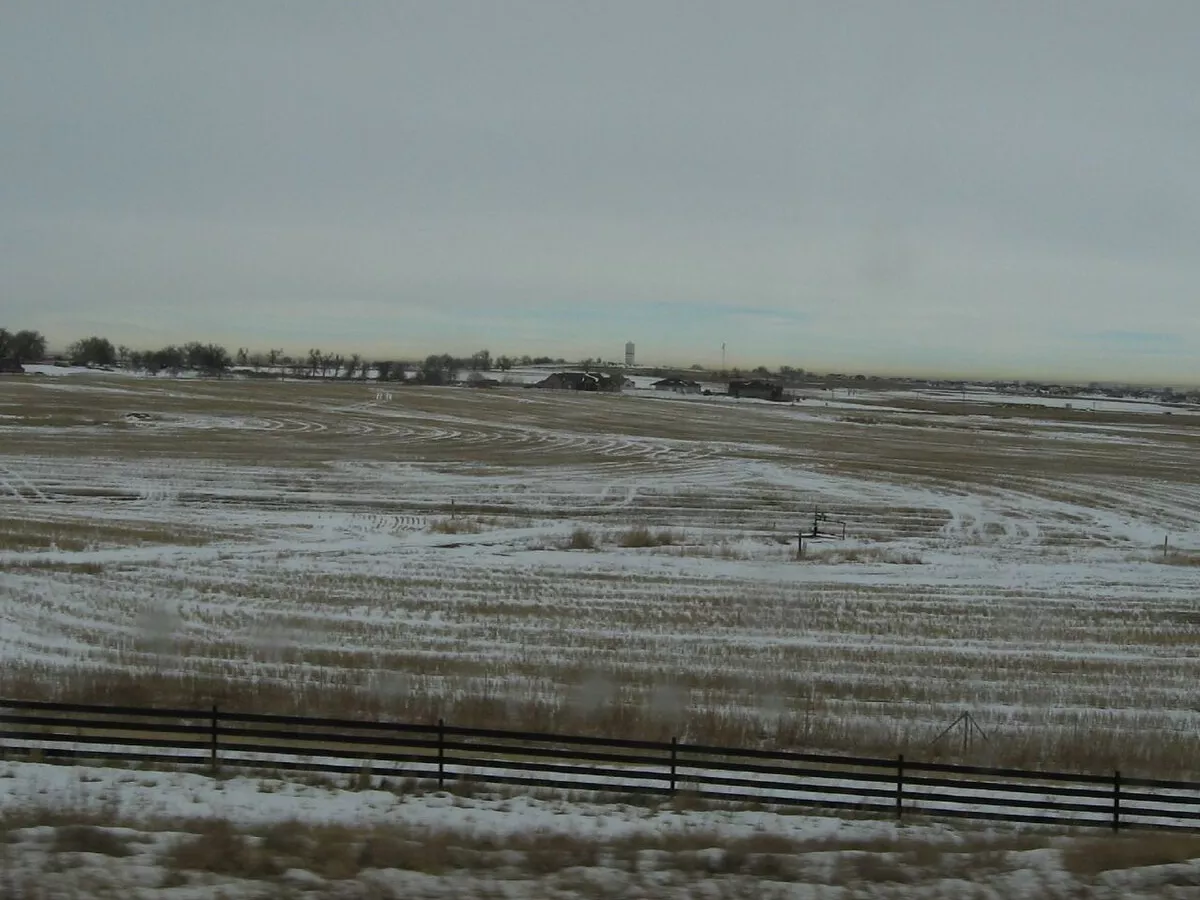
Image information
This is a representative image for this Daily News lesson.
Intro
Some rural villages in Alaska are still without early voting sites, prompting criticism from a state lawmaker and raising questions about reliable access to the ballot.
Vocabulary
| Word | Part of speech | Meaning | Example |
|---|---|---|---|
| unavailable adjective | adjective | Meaning: not accessible or ready for use at a particular time | Example: Several essential services became unavailable after the storm damaged the network. |
| affected adjective | adjective | Meaning: influenced or harmed by a particular event or condition | Example: The affected communities requested immediate assistance from local authorities. |
| uncertainty noun | noun | Meaning: a lack of confidence about what will happen or what is true | Example: Economic uncertainty has made the organization cautious about expanding its operations. |
| logistical adjective | adjective | Meaning: relating to the practical organization of people, resources, or activities | Example: The expedition faced logistical difficulties after its supply route was blocked. |
| emphasizes verb | verb | Meaning: gives particular importance or attention to something | Example: The report emphasizes the need for transparent communication during emergencies. |
| disruption noun | noun | Meaning: an interruption that prevents a process or service from continuing normally | Example: The unexpected disruption delayed deliveries throughout the region. |
| verified adjective | adjective | Meaning: confirmed as accurate or true through reliable evidence | Example: Only verified information should be shared during a rapidly developing crisis. |
The story
Some early voting sites in rural Alaska have not opened as expected, leaving 18 polling locations unavailable during the early-voting period. A state lawmaker criticized the situation, saying there was “no legal excuse” for the failure.
The affected locations are in rural villages, where an early-voting site may be an important part of the local voting system. The supplied coverage does not provide further details about the individual villages, the reasons the sites remained closed, or when they might open. It does, however, establish that the problem involves 18 sites and that a state lawmaker has publicly condemned their failure to begin operations.
Early voting generally allows eligible voters to cast ballots before Election Day. People may choose it because of work, travel, health concerns, family responsibilities, or uncertainty about their schedules. For residents of remote communities, the availability of a local site can be especially significant: if it is closed, reaching another location may be more difficult than it would be in a densely populated area. That general logistical reality helps explain why the opening of each scheduled site matters, although the supplied coverage does not describe the specific consequences for individual voters in this case.
The lawmaker’s statement also emphasizes the administrative and legal dimension of the problem. Calling the failure unjustifiable suggests that the sites were expected to be operating and that the disruption should not be treated as an ordinary inconvenience. It does not, by itself, identify who was responsible or indicate whether any legal action will follow.
For now, the verified facts are limited: 18 early-voting polling sites in rural Alaskan villages had not opened, and a state lawmaker said there was no legal excuse for that failure. Further details about the affected communities and the response were not supplied.
Warm-up questions
- What practical factors might make early voting especially important in remote communities?
- How should public officials respond when a scheduled public service fails to open?
Comprehension questions
- What specific failure prompted criticism from a state lawmaker?
- What information does the supplied coverage explicitly withhold about the closures?
- Why might a local voting site matter more in a remote community?
- What does the lawmaker’s wording imply about the expected status of the sites?
- What facts does the article identify as verified at the end?
Opinion questions
- Do you think officials should be required to provide immediate explanations when polling sites fail to open? Why?
- Should access to a local early-voting site be considered an essential public service in remote communities?
Further discussion
- How might geographical isolation complicate accountability for failures in public administration?
- What evidence would be necessary before determining whether the closures had materially affected voter participation?
Writing prompt
- Write a formal response explaining why reliable early-voting access matters in remote communities, while distinguishing verified facts from reasonable inferences.