Nanotyrannus Skeleton “Jodi” Sells for $47.3 Million at Sotheby’s
 By Emma Carter
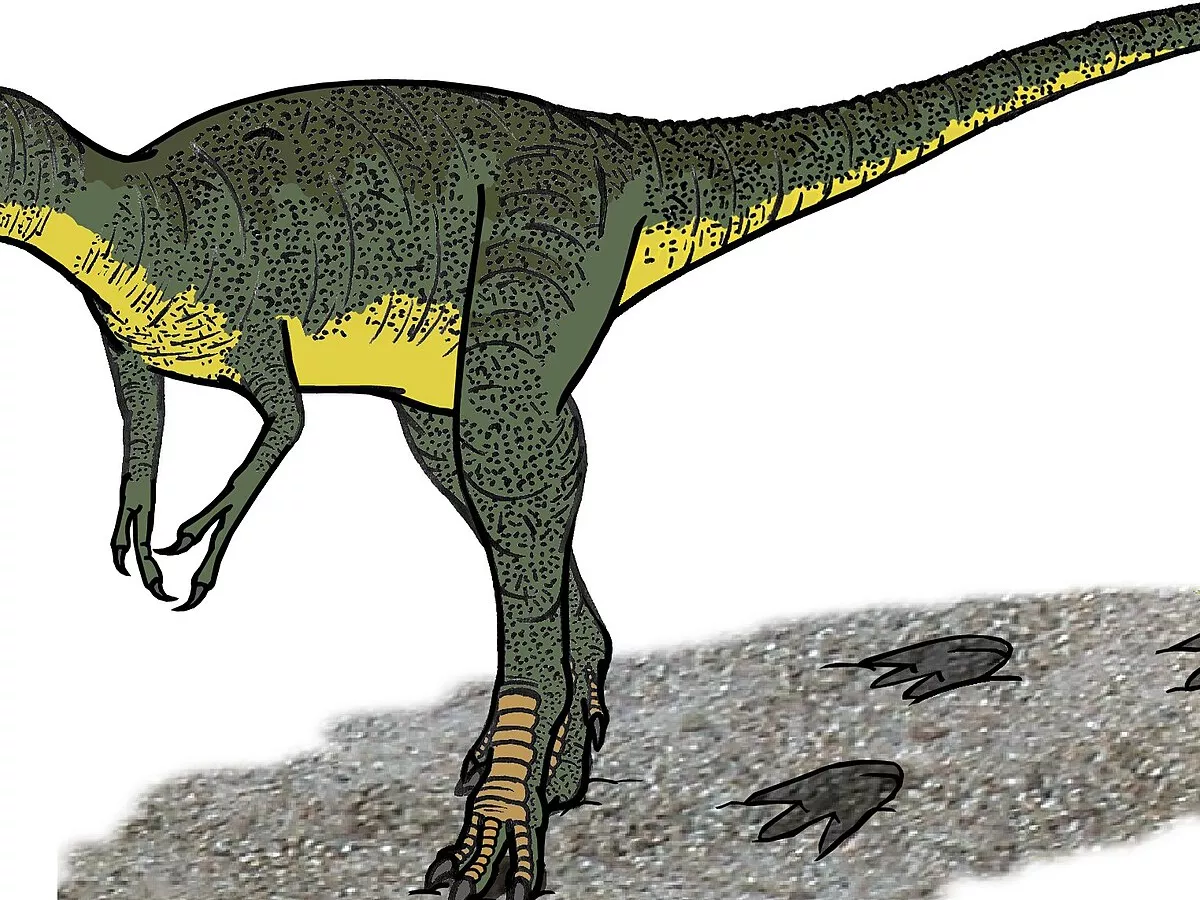
Image information
This is a representative image for this Daily News lesson.
Intro
A Nanotyrannus skeleton known as “Jodi” was auctioned at Sotheby’s for $47.3 million.
Vocabulary
| Word | Part of speech | Meaning | Example |
|---|---|---|---|
| auctioned verb | verb | Meaning: sold to the person who offers the highest price in a public sale | Example: The painting was auctioned after several collectors expressed interest. |
| notable adjective | adjective | Meaning: worthy of attention because it is unusual or important | Example: The scientist made a notable contribution to climate research. |
| specialist adjective | adjective | Meaning: relating to a person with advanced knowledge of a particular subject | Example: The museum hired a specialist historian to examine the documents. |
| distinction noun | noun | Meaning: a clear difference between two things | Example: The distinction between facts and opinions is important in academic writing. |
| specimen noun | noun | Meaning: a particular example of something, especially an object studied by scientists | Example: The laboratory preserved the rare specimen for future research. |
| transaction noun | noun | Meaning: a business exchange in which something is bought or sold | Example: The transaction was completed after both parties signed the agreement. |
| commercial adjective | adjective | Meaning: connected with buying, selling, or making money | Example: The discovery attracted both scientific and commercial interest. |
The story
A Nanotyrannus skeleton called “Jodi” has been auctioned at Sotheby’s for $47.3 million. The result makes it the latest dinosaur fossil to draw a very high price at auction.
The sale is notable because Nanotyrannus is described as a cousin of Tyrannosaurus rex, or T. rex. T. rex is one of the most widely recognized dinosaurs, and that connection gives Jodi an immediate point of interest for people beyond specialist fossil circles. The central news, however, is the auction result: a named skeleton from this dinosaur group reached $47.3 million at Sotheby’s.
The price places the fossil at the meeting point of scientific interest and the market for collectibles. Fossils are physical remains or traces of ancient life. A skeleton can interest researchers because it may preserve information about an animal’s body and the period in which it lived. At an auction, however, the price is set by competing buyers and reflects demand for that particular object at that particular sale.
That distinction matters when a fossil reaches an unusually large sum. A sale price shows what a buyer was prepared to pay; it does not, by itself, answer every scientific question connected with the specimen. Still, a high-profile auction can bring a prehistoric animal to a wider audience and encourage public interest in fossils.
Jodi’s result is also a business story. Sotheby’s is an auction house, and the $47.3 million outcome shows the scale that interest in dinosaur fossils can reach. The transaction adds another prominent example of a prehistoric specimen receiving major attention in a commercial setting, while its connection to T. rex keeps the focus on a dinosaur familiar to many people.
Warm-up questions
- What kinds of objects might attract unusually high prices at auction?
- Why might a famous dinosaur be interesting to people outside scientific communities?
Comprehension questions
- What happened to the Nanotyrannus skeleton called Jodi?
- Why does the article connect Jodi with T. rex?
- Why can a skeleton interest researchers?
- What does the sale price show, and what does it not answer by itself?
- How does the article characterize Jodi’s result overall?
Opinion questions
- Do you think a fossil’s auction price should affect how important the public considers it? Why or why not?
- Would you rather see Jodi in a private collection or a public museum? Explain your choice.
Further discussion
- What responsibilities might auction houses have when selling scientifically important fossils?
- How can museums and researchers balance public access, scientific study, and commercial interests?
Writing prompt
- Write a developed paragraph explaining why Jodi’s sale can be viewed as both a scientific-interest story and a business story.