Guardian seeks readers’ tips for wild escapes in Scotland
 By Emma Carter
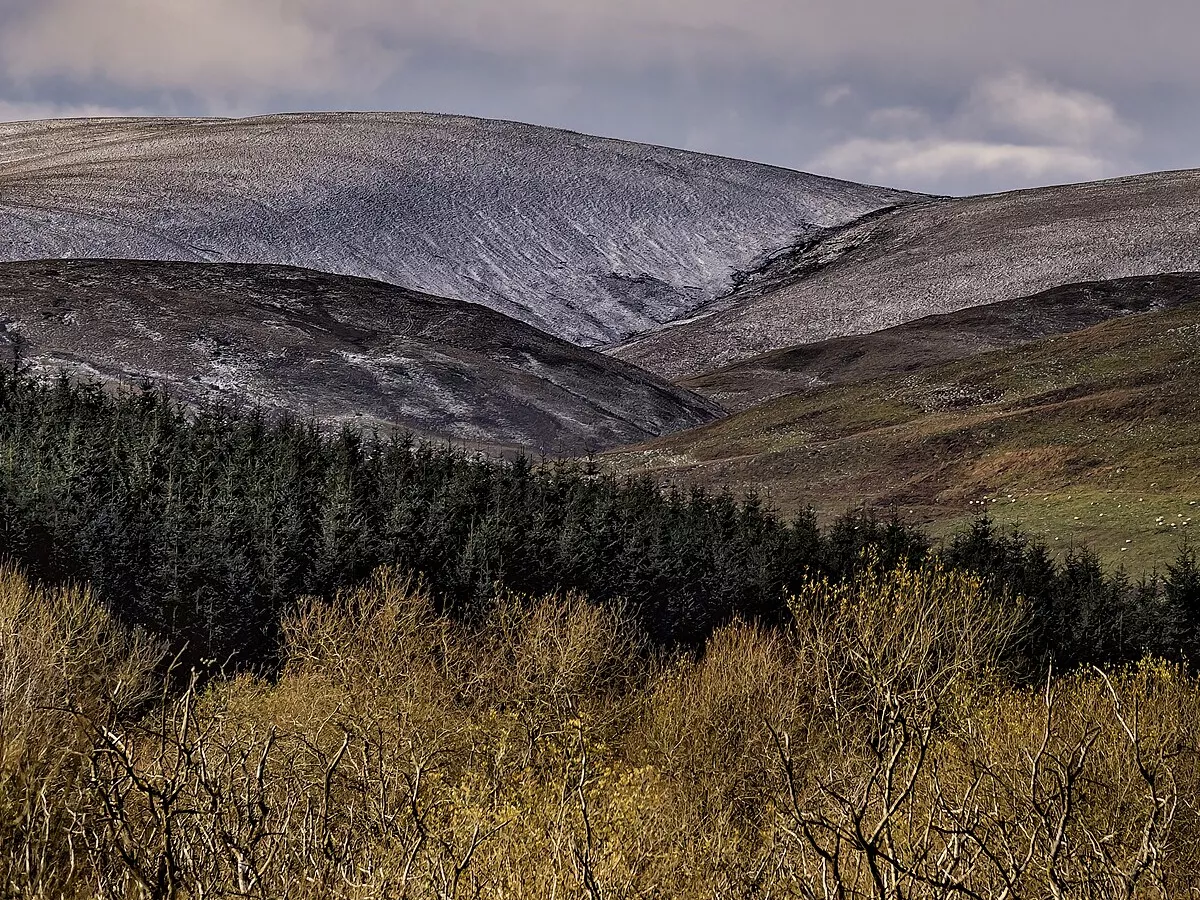
Image information
This is a representative image for this Daily News lesson.
Intro
The Guardian is inviting readers to share a favorite escape or adventure in Scotland’s wilder regions. Tom Hall of Lonely Planet will select the weekly winning tip, whose author will receive £200 toward a Coolstays break.
Vocabulary
| Word | Part of speech | Meaning | Example |
|---|---|---|---|
| rooted adjective | adjective | Meaning: firmly based on or deeply connected with a particular source, place, or set of ideas | Example: Her argument is rooted in a careful examination of contradictory evidence. |
| rugged adjective | adjective | Meaning: rough, uneven, and difficult to travel across, especially because of natural features | Example: The expedition crossed rugged terrain that had remained largely unmapped. |
| intentionally adverb | adverb | Meaning: deliberately and as the result of a conscious decision | Example: The policy was intentionally designed to accommodate competing professional priorities. |
| prescribing verb | verb | Meaning: setting out a fixed requirement, method, or course of action | Example: The framework guides discussion without prescribing a single interpretation. |
| remoteness noun | noun | Meaning: the quality of being far away from populated areas, services, or ordinary activity | Example: The valley’s remoteness has protected its distinctive ecological character. |
| infrastructure noun | noun | Meaning: the basic physical and organizational systems needed for a place or activity to function | Example: Reliable digital infrastructure is essential for research teams working across borders. |
| spectacular adjective | adjective | Meaning: highly impressive or striking, particularly in appearance or scale | Example: The exhibition presents spectacular images without sacrificing historical nuance. |
| distinctive adjective | adjective | Meaning: recognizably different from others because of characteristic or individual qualities | Example: The institution has developed a distinctive approach to public scholarship. |
The story
The Guardian is inviting readers to describe an escape or adventure in Scotland’s wilder regions, asking for travel tips rooted in places that feel distant from everyday routines. The call is framed around the country’s dramatic natural settings: mountains and lochs, rugged coastlines, and remote islands.
The range of possible entries is intentionally broad. A reader might write about staying in an off-grid cabin or a bothy, taking a solo walk on a less-visited trail, or heading into the mountains. A romantic break on a windswept island also fits the invitation. Rather than prescribing a single version of outdoor travel, the request leaves room for different kinds of journeys and different degrees of remoteness.
A bothy is a simple, basic shelter in the countryside, often associated with walkers and other visitors to remote areas. In this context, an off-grid stay refers to accommodation removed from conventional services or infrastructure. These terms help convey why practical detail can be as useful as scenic description when travelers are considering a wild escape.
The best tip of the week will be chosen by Tom Hall of Lonely Planet. Its author will receive a £200 voucher toward a stay at a Coolstays property. Coolstays is described as having more than 3,000 properties worldwide, so the prize is connected to a company with a broad accommodation offering rather than a single Scottish location.
The Guardian says the strongest tips will also appear in its Travel section and on its website. That means the invitation is not solely a competition; it is also a search for accounts that may help other readers imagine, and potentially plan, time in Scotland’s less familiar landscapes.
The appeal of such trips does not depend only on spectacular views. A worthwhile tip may identify the character of a stay, trail, mountain, coastline, or island and explain what made it memorable. Personal perspective is central to the request, but the most useful contributions are likely to combine that perspective with clear, concrete insight.
Published on October 26, 2026, the invitation places Scotland’s wild settings at the center of the discussion. It encourages readers to look beyond the obvious itinerary and share the experiences that made a remote journey feel distinctive.
Warm-up questions
- What makes a travel experience feel genuinely remote rather than merely unfamiliar?
- Which practical details would you consider essential when recommending an outdoor escape?
Comprehension questions
- What kinds of Scottish settings does the invitation explicitly highlight?
- Why does the article say that the range of entries is intentionally broad?
- What does the prize consist of, and who selects the winner?
- Why is the competition described as more than a competition?
- What combination does the article identify as characteristic of the most useful contributions?
Opinion questions
- Would practical information or evocative description matter more in your own travel recommendation? Why?
- Does offering a prize enhance or undermine the authenticity of readers’ travel accounts?
Further discussion
- How might publishing personal travel tips affect tourism in remote communities?
- What responsibilities should writers consider when encouraging visits to fragile landscapes?
Writing prompt
- Write a sophisticated travel recommendation for a remote destination, combining personal perspective, practical detail, and environmental awareness.