Chiricahua National Monument Becomes America’s 64th National Park
 By Emma Carter
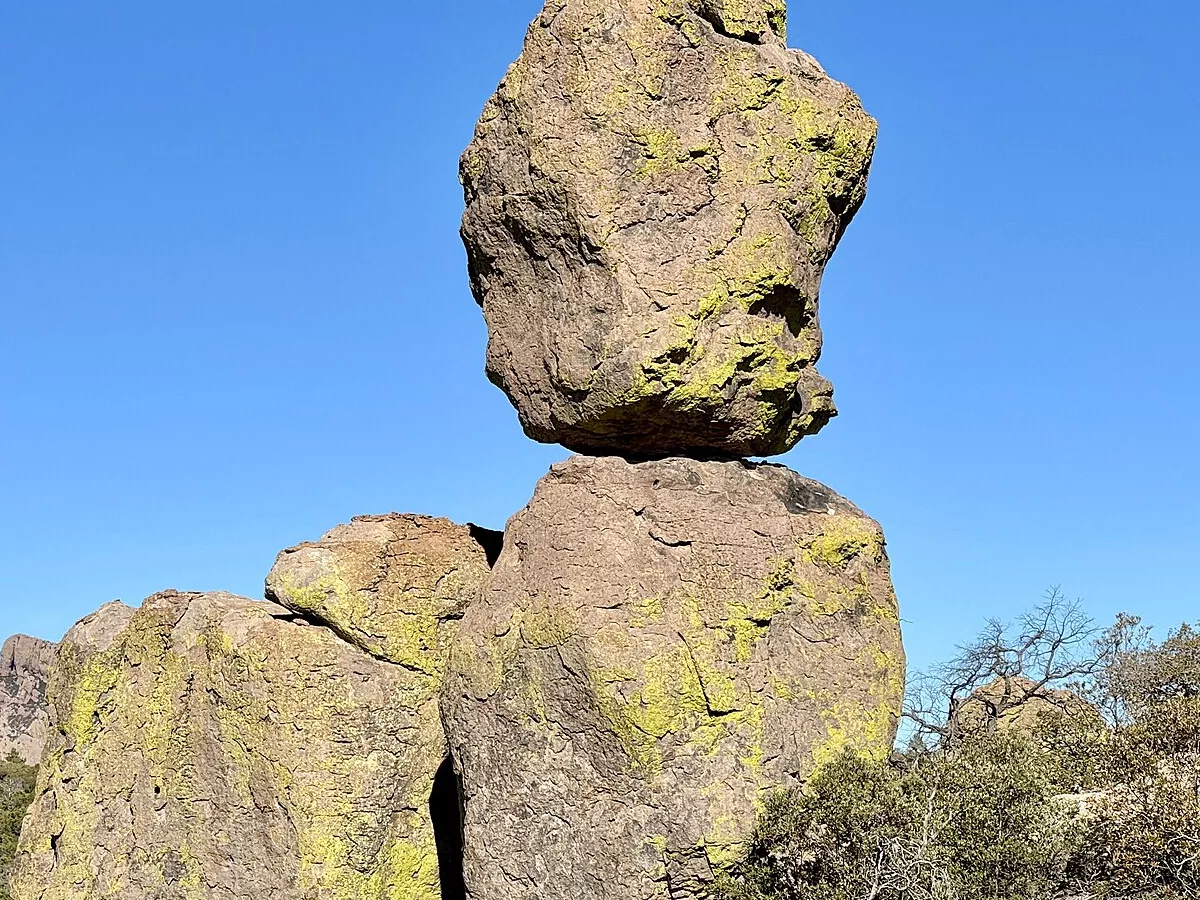
Image information
This is a representative image for this Daily News lesson.
Intro
The former Chiricahua National Monument in southeast Arizona has become the United States’ 64th national park after years of bipartisan effort.
Vocabulary
| Word | Part of speech | Meaning | Example |
|---|---|---|---|
| designation noun | noun | Meaning: An official title or classification conferred on a person, place, or institution. | Example: The designation transformed the overlooked wetland into a nationally recognized conservation site. |
| elevation noun | noun | Meaning: The act of raising something to a higher rank, status, or position. | Example: Her elevation to the board reflected years of discreet but influential service. |
| prominent adjective | adjective | Meaning: Important, widely recognized, or conspicuously distinguished within a particular group or context. | Example: The gallery occupies a prominent position in the city’s cultural landscape. |
| associations noun | noun | Meaning: Ideas, feelings, or cultural connections conventionally linked with something. | Example: The building’s austere design carries associations of institutional authority. |
| evocative adjective | adjective | Meaning: Powerfully suggestive of particular images, emotions, memories, or ideas. | Example: The novelist’s evocative descriptions made the abandoned harbor feel almost inhabited. |
| cooperation noun | noun | Meaning: The coordinated effort of people or groups pursuing a shared objective. | Example: The agreement required sustained cooperation between regulators, residents, and industry representatives. |
| operational adjective | adjective | Meaning: Concerned with the practical functioning, management, or implementation of an organization or system. | Example: The report distinguishes strategic priorities from operational constraints. |
| established adjective | adjective | Meaning: Confirmed, recognized, or firmly accepted as valid or settled. | Example: The committee relied on established procedures when evaluating the disputed application. |
The story
The former Chiricahua National Monument in southeast Arizona has become the United States’ 64th national park, concluding years of bipartisan effort to secure the change. The designation places the landscape within the country’s national park system and gives it a new national distinction.
The announcement concerns a shift in status rather than the creation of an entirely new protected area. Chiricahua was already recognized as a national monument; its elevation to national-park status now places it in a different category of public recognition. For visitors, the change may be most visible in the way the site is presented: a landscape once known primarily through its monument designation will increasingly be identified as one of the country’s national parks.
In general, a national monument is a protected public site established to conserve an area of historic, scientific, or scenic importance, while a national park is a similarly protected place that has received a particularly prominent designation through the national park system. These categories can overlap in purpose, but their names carry different historical and cultural associations. The distinction often shapes how a place is understood by travelers who use the national-park network as a guide to the country’s notable landscapes.
Chiricahua is described in the selected title as an Arizonan “sky island,” a term commonly used for an isolated mountain range rising above surrounding lower terrain. In ordinary geographical usage, such a formation can create a marked contrast between the mountain environment and the warmer or drier areas around it. That contrast helps explain why the phrase has become an evocative way to describe certain elevated landscapes in the Southwest, although the verified event information does not provide further details about Chiricahua’s ecology, geology, or visitor facilities.
The new designation is therefore significant both symbolically and institutionally. It recognizes the former monument as part of a nationally prominent group of protected places and reflects the outcome of cooperation across political lines. Beyond those confirmed facts, details about any administrative, operational, or visitor-facing changes are not established in the available event information. For now, the central development is clear: southeast Arizona’s Chiricahua landscape has entered the national park system as the United States’ 64th national park.
Warm-up questions
- What distinctions do you associate with the terms “national monument” and “national park”?
- How might an official change in status alter the way travelers perceive a landscape?
Comprehension questions
- What does the article identify as the principal change concerning Chiricahua?
- Why does the article describe the redesignation as a shift in status rather than a new protected area?
- How does the article characterize the relationship between monuments and parks?
- What does “sky island” refer to in the article?
- Which possible consequences does the article explicitly leave unconfirmed?
Opinion questions
- Do official designations primarily preserve landscapes, shape public perception, or accomplish both? Explain your position.
- Should bipartisan cooperation be considered part of the significance of a conservation decision? Why or why not?
Further discussion
- How might naming conventions influence tourism, public funding, or cultural memory without changing a landscape itself?
- What kinds of evidence would be necessary before confidently describing the practical effects of Chiricahua’s new status?
Writing prompt
- Write a critical response evaluating whether Chiricahua’s redesignation is more symbolically significant or institutionally consequential. Use the article’s distinctions and acknowledge the limits of the available evidence.