Just short of its 200th birthday, a landmark natural history museum shuts down
 By Emma Carter
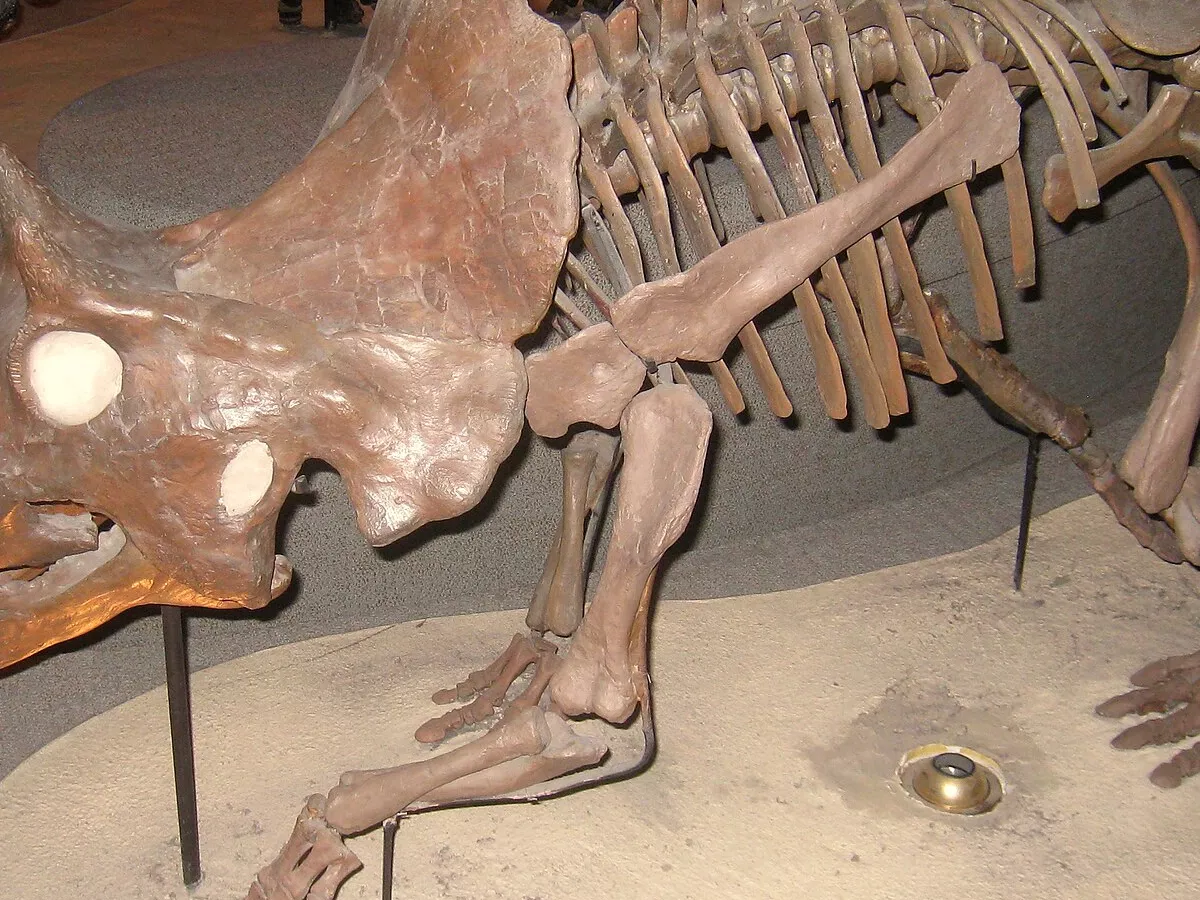
Image information
This is a representative image for this Daily News lesson.
Intro
The Academy of Natural Sciences in Philadelphia has closed its doors, ending nearly two centuries as a public museum and scientific institution.
Vocabulary
| Word | Part of speech | Meaning | Example |
|---|---|---|---|
| institution noun | noun | Meaning: an established organization created for a particular purpose | Example: The university is a respected institution for scientific research. |
| displays noun | noun | Meaning: arrangements of objects presented for people to examine | Example: The museum’s displays explain how animals adapt to their environments. |
| collection noun | noun | Meaning: a group of objects gathered and kept together | Example: The library has a valuable collection of historical maps. |
| petition noun | noun | Meaning: a formal written request signed by many people | Example: Residents organized a petition asking the city to protect the park. |
| attendance noun | noun | Meaning: the number of people who attend an event or place | Example: School attendance improved after the schedule was changed. |
| revenue noun | noun | Meaning: income received by an organization, especially from its activities | Example: The theater increased its revenue by offering special evening performances. |
| declining adjective | adjective | Meaning: becoming lower, weaker, or less successful | Example: The company is searching for solutions to its declining sales. |
The story
The Academy of Natural Sciences in Philadelphia has closed after nearly two centuries as a public museum. Founded in 1812 and opened to visitors in 1828, it was the first place in the world to display a dinosaur skeleton, beginning in 1868.
For generations of families in the Philadelphia area, the museum was an important place to learn about nature. Its displays included dinosaur skeletons, mammal dioramas, live animals, and changing exhibitions. The institution also held a scientific collection widely considered one of the most important in the world.
The museum announced on September 1 that it would close at the end of the month. During its final weeks, thousands of people visited for one last look. Some families returned because the museum had been part of their childhoods and they wanted their children to share the experience.
Outside the building, the closing created an unusual mixture of celebration, sadness, and public protest. Visitors waited in line while activists distributed petitions and flyers calling to “Save the Academy.” Former staff members also returned to support the campaign. An online petition collected more than 114,000 signatures.
Drexel University, which took financial responsibility for the Academy in 2011, said that costs had increased after the pandemic while attendance had fallen. Attendance rose sharply during the museum’s final weeks, and revenue was more than 20 times higher than in September of the previous year. However, the late surge was not enough to prevent the closure.
The museum’s shutdown has added to wider concerns about declining support for cultural and scientific institutions. Campaigners have warned that the Academy’s fate could become a warning for other museums facing similar financial pressure.
Warm-up questions
- What kinds of museums have you visited, and what made them memorable?
- Why might a museum be important to several generations of one family?
Comprehension questions
- What historical distinction did the Academy have?
- Why did some families visit during the museum’s final weeks?
- What forms did public support for the museum take?
- What financial changes did Drexel University identify?
- Why was the increase in final-week revenue insufficient?
Opinion questions
- Do you think museums should receive public funding when attendance declines? Explain your position.
- Would a museum’s historical importance influence your decision to visit it before closure? Why or why not?
Further discussion
- What responsibilities do universities have when they take financial responsibility for museums?
- How can cultural institutions respond when financial pressure threatens their long-term survival?
Writing prompt
- Write a well-organized article explaining why the Academy closed and what its closure may mean for other museums.