
Archaeologists race to save artifacts in Alaska after storm damage
 By Emma Carter
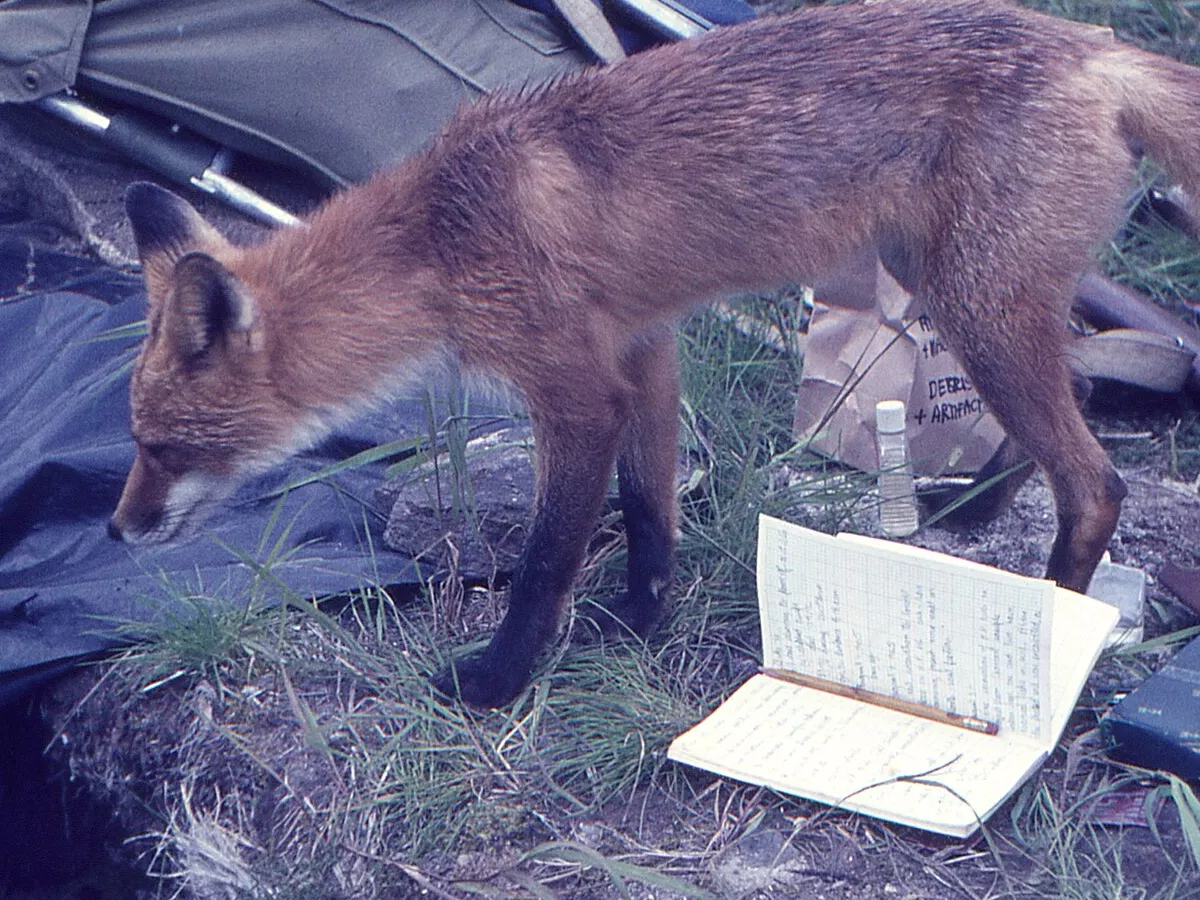
Image information
This is a representative image for this Daily News lesson.
Intro
Archaeologists in Alaska are trying to protect as many objects as possible after remnants of a typhoon damaged an archaeological dig site last year.
Vocabulary
| Word | Part of speech | Meaning | Example |
|---|---|---|---|
| remnants noun | noun | Meaning: the remaining parts of something after most of it has disappeared or been damaged | Example: The remnants of the old bridge were removed for safety. |
| infrastructure noun | noun | Meaning: the basic systems and structures needed for a community to function | Example: Reliable infrastructure is essential after a natural disaster. |
| preservation noun | noun | Meaning: the act of protecting something so it remains available or useful | Example: The museum invested in the preservation of rare documents. |
| additional adjective | adjective | Meaning: extra or more than what already exists | Example: The team requested additional funding for the project. |
| priority noun | noun | Meaning: something considered more important than other matters | Example: Public safety became the government’s highest priority. |
| vulnerable adjective | adjective | Meaning: easily harmed, damaged, or affected | Example: Coastal communities are especially vulnerable to rising sea levels. |
| examination noun | noun | Meaning: careful study or inspection of something | Example: The examination of the samples revealed several unusual details. |
The story
Archaeologists in Alaska are racing to protect objects from an archaeological dig site after remnants of a typhoon caused damage last year. The storm also damaged homes and infrastructure, showing that its effects reached beyond the research site itself.
The archaeologists are now trying to remove as many objects as possible before another storm arrives. Their work is focused on recovery and preservation: objects that remain at the damaged site may face additional risk if severe weather returns.
The effort comes after the storm affected several parts of the area at the same time. Homes were damaged, infrastructure was harmed, and the archaeological site also suffered. For the researchers, this means that the site must be treated as an urgent priority while attention is also needed elsewhere.
Archaeological objects can provide evidence about the past, so protecting them is important for future study. In this case, the researchers are working under a clear time pressure created by the possibility of another storm. They must decide how to recover as many objects as possible while conditions allow.
The current effort does not erase the damage already caused by last year’s storm. Instead, it is an attempt to limit further losses and preserve what can still be saved. By moving objects away from the vulnerable site, archaeologists hope to keep more of the evidence available for examination in the future.
The work highlights how extreme weather can threaten not only homes and public infrastructure but also archaeological research. In Alaska, archaeologists are responding by concentrating on the objects that can be recovered before the next storm creates new challenges.
Warm-up questions
- What kinds of objects might archaeologists find at a damaged excavation site?
- How might another storm affect researchers working in a vulnerable location?
Comprehension questions
- What caused damage to the archaeological site?
- Why are archaeologists removing objects from the site now?
- How did the storm affect more than the research site?
- Why are archaeological objects valuable for future researchers?
- What is the main purpose of the current recovery effort?
Opinion questions
- Which should receive greater attention after a storm: public infrastructure or archaeological objects? Explain your view.
- Would you want to work under the time pressure described in the article? Why or why not?
Further discussion
- What strategies could communities use to protect archaeological sites from increasingly extreme weather?
- How might preserving archaeological evidence influence people’s understanding of their region’s history?
Writing prompt
- Write a developed paragraph explaining why the archaeologists’ recovery effort matters, using evidence from the article.
Practice this story
4 testsSources
Topics
-
Science & Technology
A Strange Detector Signal Renews Questions About Dark Matter
Sep 10, 2026 2 min read B2 -
Science & Technology
‘Fire amoeba’ sets a new thermal limit for complex life
Sep 23, 2026 2 min read C2 -
Science & Technology
Science roundup highlights T. rex footprints, solar “superflares,” and reading’s reported brain benefits
Sep 18, 2026 2 min read C2 -

Science & Technology
Pennsylvania Reports Third Measles-Related Death in Less Than Three Weeks
Sep 14, 2026 2 min read C1 -
Science & Technology
August Was the Hottest Month Ever Recorded Globally, Scientists Say
Sep 13, 2026 3 min read C2 -
Science & Technology
A fossil feather from the age of dinosaurs may explain why only some birds survived
Sep 11, 2026 2 min read B1