Breweries Search for New Ways Forward as Beer Tastes Shift
 By Emma Carter
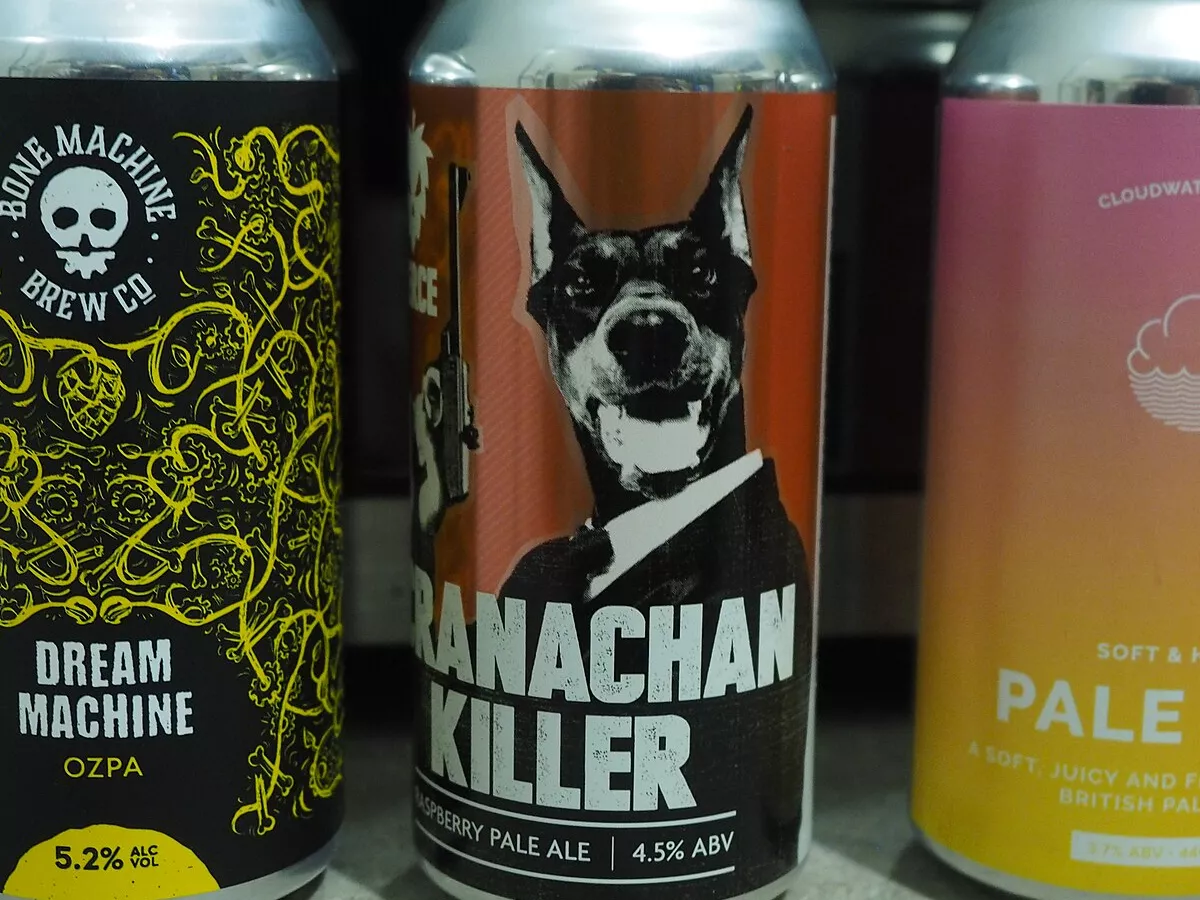
Image information
This is a representative image for this Daily News lesson.
Intro
The craft beer market is saturated, while tastes in beer are changing. In response, brewers are developing innovative ways to attract customers, according to NPR.
Vocabulary
| Word | Part of speech | Meaning | Example |
|---|---|---|---|
| saturated adjective | adjective | Meaning: filled beyond capacity, leaving little room for further growth or competition | Example: The regional market is saturated, so new firms must offer a distinctive advantage. |
| reconsider verb | verb | Meaning: to think about something again, especially in order to revise a decision or approach | Example: The institution may reconsider its policy after reviewing the unexpected results. |
| innovative adjective | adjective | Meaning: introducing original ideas or methods that improve existing practice | Example: The laboratory developed an innovative approach to reducing energy consumption. |
| substantial adjective | adjective | Meaning: considerable in amount, degree, or importance | Example: The project requires substantial investment before its benefits become visible. |
| consequently adverb | adverb | Meaning: as a result of something previously stated | Example: Demand declined sharply; consequently, the company postponed its expansion. |
| distinction noun | noun | Meaning: a meaningful difference between two things that might otherwise seem similar | Example: The distinction between correlation and causation is essential to sound analysis. |
| persuasive adjective | adjective | Meaning: effective at influencing someone to accept an idea or take an action | Example: The researchers presented persuasive evidence for revising the established theory. |
The story
The craft beer market is saturated, and tastes in beer are changing. Together, these conditions are prompting breweries to reconsider how they compete for customers. NPR reports that brewers are responding by exploring innovative ways to attract people to their products.
A saturated market is one in which businesses face substantial competition for the same customers. For craft breweries, that pressure exists alongside shifting preferences. The source does not identify a particular change in what people want from beer, but it makes clear that tastes are not remaining constant. Brewers consequently face two related challenges: they must operate in a crowded sector while responding to customers whose interests may be evolving.
NPR presents innovation as the general response to these pressures rather than naming one method that every brewery is adopting. This distinction matters. The report does not claim that a single idea will resolve the difficulties created by market saturation or changing tastes. Instead, it describes brewers as seeking new approaches to customer attraction, leaving the specific form of that innovation open.
The relationship between the two pressures helps explain why adaptation has become important. When many businesses compete in the same market, established approaches may be less effective at distinguishing one brewery from another. Changing tastes add another layer of uncertainty: a strategy that once appealed to customers may not remain equally persuasive as preferences develop. Brewers therefore need to consider both the competitive environment and the direction of consumer interest.
The report offers a broader business lesson as well. Companies operating in crowded markets may need to remain flexible when customer preferences change. For craft breweries, NPR’s coverage links that flexibility with innovation and presents the effort to attract customers as an ongoing response to market conditions. It does not predict which approaches will succeed, but it shows why brewers are looking for new ways forward.
Warm-up questions
- What pressures might force an established business to rethink its customer-attraction strategies?
- How can changing consumer preferences affect companies operating in highly competitive markets?
Comprehension questions
- What two conditions are prompting breweries to reconsider their competitive strategies?
- What does the report leave unspecified about consumer preferences?
- Why does the article distinguish innovation as a general response rather than a universal method?
- How can changing tastes undermine an established brewery strategy?
- What broader business lesson does the report offer?
Opinion questions
- Do you think innovation is sufficient for breweries facing saturation, or must they address deeper structural pressures?
- Should companies prioritize responding to current consumer preferences or anticipating future ones?
Further discussion
- How might the article’s distinction between general innovation and specific methods apply to other saturated industries?
- What evidence would be needed to determine whether a brewery’s new approach had genuinely succeeded?
Writing prompt
- Write an analytical response explaining how market saturation and changing preferences interact, using breweries as your central example and evaluating the limits of innovation.