
Federal Reserve raises benchmark interest rate to confront stubborn inflation
 By Emma Carter
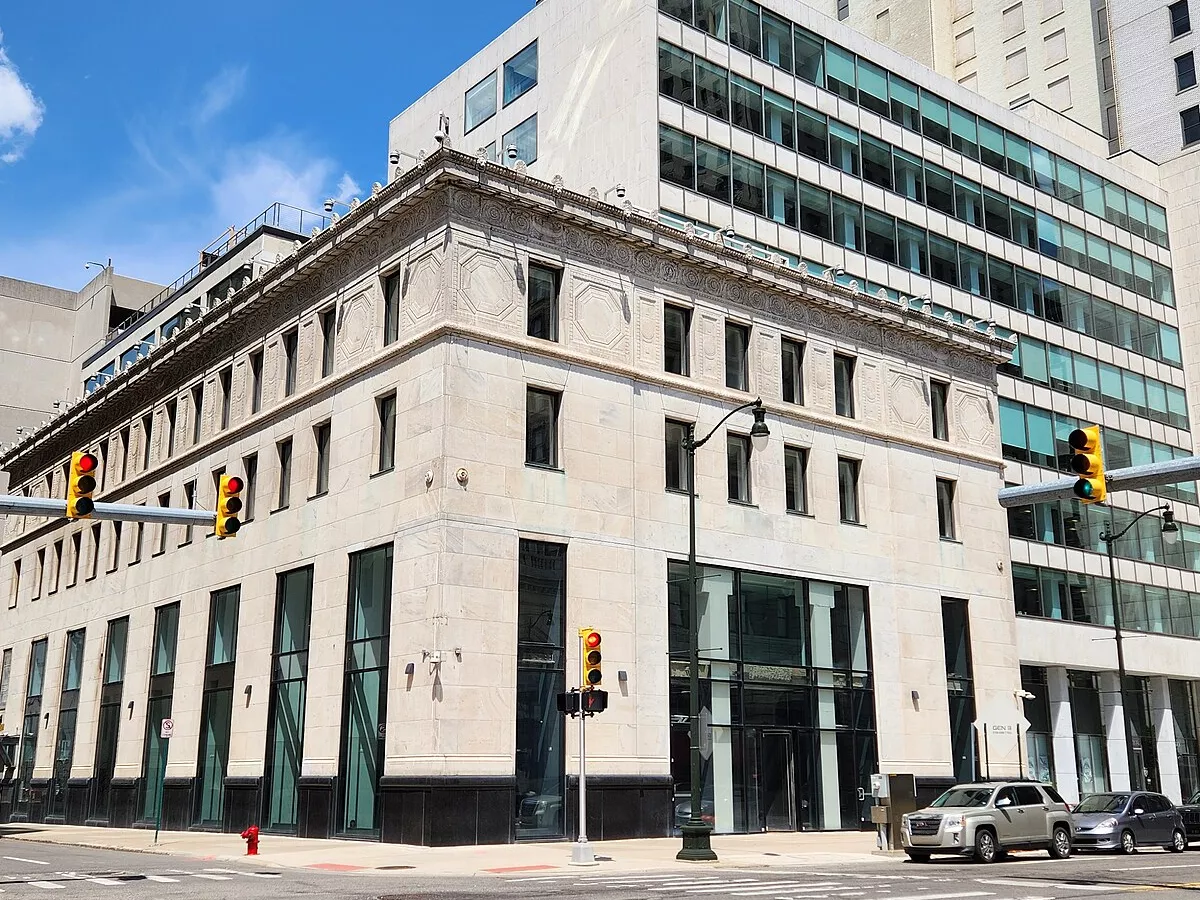
Image information
This is a representative image for this Daily News lesson.
Intro
The Federal Reserve raised its benchmark interest rate Wednesday, seeking to counter inflation that has remained stubborn. The decision represents the first increase in the rate in more than three years.
Vocabulary
| Word | Part of speech | Meaning | Example |
|---|---|---|---|
| benchmark noun | noun | Meaning: A standard or reference point against which other values or developments are measured. | Example: The company uses last year's revenue as a benchmark for evaluating its new strategy. |
| stubborn adjective | adjective | Meaning: Persistent and resistant to change, reduction, or removal. | Example: Stubborn supply shortages continued to delay the infrastructure project. |
| consequences noun | noun | Meaning: The results or effects that follow an action or decision. | Example: The committee considered the long-term consequences of reducing public transport funding. |
| dimension noun | noun | Meaning: A particular aspect or practical side of a broader issue. | Example: The proposal has an ethical dimension that cannot be ignored. |
| associated adjective | adjective | Meaning: Connected with or linked to a particular person, thing, or circumstance. | Example: The financial risks associated with rapid expansion were underestimated. |
| illustrates verb | verb | Meaning: Demonstrates or makes a general idea clear through a particular example. | Example: The case illustrates how apparently minor decisions can produce wider effects. |
| persistent adjective | adjective | Meaning: Continuing for a long time despite attempts to change or resolve it. | Example: Persistent uncertainty discouraged investors from making long-term commitments. |
The story
The Federal Reserve raised its benchmark interest rate Wednesday, marking the first increase in more than three years. The decision was intended to combat stubborn inflation, according to the available source. It represents a significant change in the direction of the central bank’s interest-rate policy after an extended period without an increase.
A benchmark interest rate is a reference point for the cost of borrowing. When it moves higher, the consequences can extend beyond the central bank and financial institutions, reaching people who rely on credit for ordinary but significant expenses. The decision therefore has a direct practical dimension, even though it concerns a broad instrument of monetary policy. Its importance lies in the connection between a central bank’s response to inflation and the financial choices faced by consumers.
Someone borrowing money to buy a car may now face a more expensive loan. The same is true for consumers who carry a balance on a credit card rather than paying the full amount immediately. In either situation, the cost associated with borrowing can increase, requiring a larger financial commitment over time. The source specifically identifies these two consumer effects; it does not provide further details about how individual lenders will adjust their terms.
The rate increase illustrates a difficult policy balance. The Federal Reserve is responding to inflation it describes as stubborn, while a higher cost of credit can place additional pressure on households and other borrowers. Raising the benchmark rate is consequently not an isolated technical adjustment: it is a policy decision that can influence how consumers approach purchases and existing debt.
The available reporting does not state the size of the increase, identify a location, or describe other measures announced alongside it. It does, however, establish the significance of the move. After more than three years without an increase, the Federal Reserve has changed its benchmark rate in an effort to address persistent price pressure. For consumers, the clearest implication is that borrowing for a vehicle or carrying credit-card debt may become more costly. The announcement links the central bank’s inflation response to a familiar financial reality: the price of access to borrowed money can affect everyday decisions.
Warm-up questions
- What effects might a central bank’s interest-rate decision have on ordinary households?
- Why might policymakers face tension when attempting to reduce inflation?
Comprehension questions
- Why did the Federal Reserve raise its benchmark interest rate?
- How can a higher benchmark rate affect consumers borrowing for a car?
- What credit-card behavior may become more costly?
- What policy tension does the article identify?
- What information does the available reporting omit?
Opinion questions
- Do you think reducing inflation justifies making borrowing more expensive? Explain your position.
- Which consumer effect described in the article would concern you more, and why?
Further discussion
- How might higher borrowing costs influence decisions about major purchases beyond cars?
- What additional evidence would help evaluate whether this policy is effective?
Writing prompt
- Write a formal analytical paragraph explaining how the rate increase connects macroeconomic policy with consumers’ everyday financial decisions.
Practice this story
4 testsSources
Topics
-

Business & Work
Amid war and sanctions, many Iranians are losing their jobs and struggling to get by
Sep 12, 2026 2 min read C1 -

Business & Work
Ever Wonder How the Fed’s Interest Rate Actually Works? Here Are the Questions at Stake
Sep 21, 2026 3 min read C2 -

Business & Work
A bad year for the crypto industry just got a lot worse
Sep 18, 2026 2 min read B2 -

Business & Work
Get Ready for Yet Another Cost When Buying a Home: Junk Fees
Sep 16, 2026 2 min read C2 -

Business & Work
NPR asks whether Patagonia could become a new data center hub
Sep 14, 2026 2 min read B1 -

Business & Work
Anthropic and OpenAI Leaders Urge Caution as AI Safety Concerns Grow
Sep 13, 2026 2 min read B2