Southwest Floods Bring a Rare Boost to Reservoirs, Including Lake Powell
 By Emma Carter
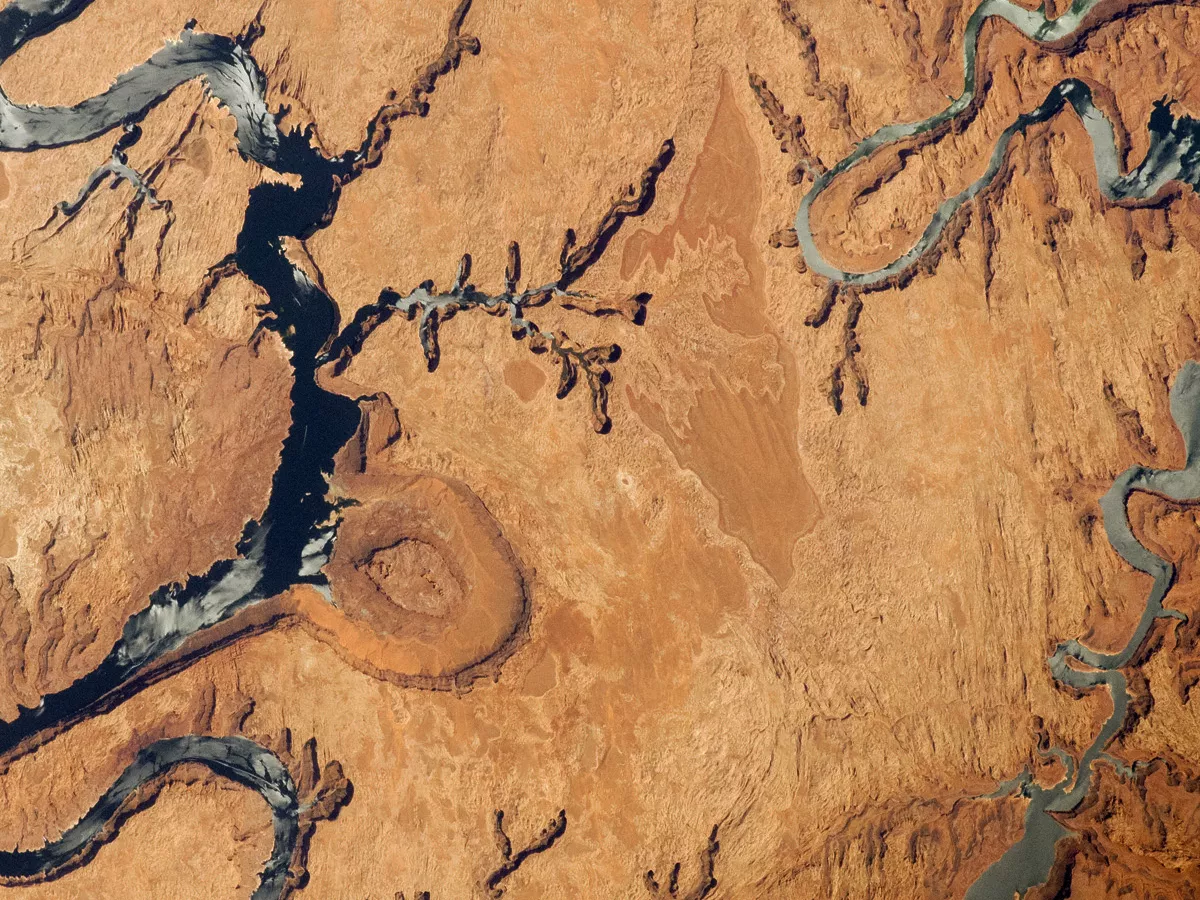
Image information
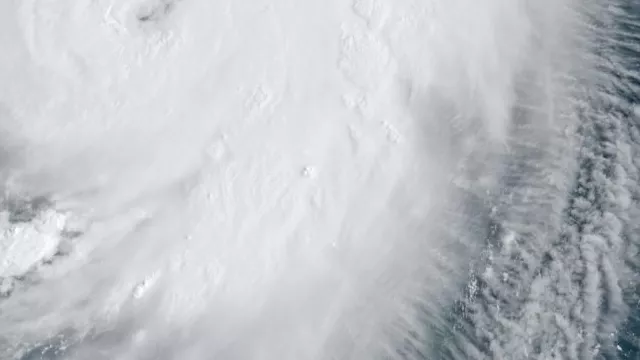
This is a representative image for this Daily News lesson.
Intro
Storms across the U.S. Southwest have caused damaging floods while also sending water into reservoirs and aquifers depleted by years of drought. Lake Powell has risen sharply, though it remains far below full capacity.
Vocabulary
| Word | Part of speech | Meaning | Example |
|---|---|---|---|
| increase noun | noun | Meaning: A rise in amount, size, or number. | Example: The increase in bus service made commuting easier. |
| disruption noun | noun | Meaning: A situation in which normal activity is interrupted or prevented. | Example: The road closure caused a disruption to deliveries throughout the town. |
| depleted adjective | adjective | Meaning: Reduced in amount because some or most has been used or lost. | Example: After the long drought, the village relied on its depleted water supply. |
| boost noun | noun | Meaning: An increase or improvement that helps something become stronger or more successful. | Example: The new funding gave a boost to the community library. |
| replenish verb | verb | Meaning: To fill or restore something that has been used or reduced. | Example: The company must replenish its supplies before the next busy season. |
| restrictions noun | noun | Meaning: Official rules that limit what people can do or use. | Example: The city introduced water restrictions during the dry summer. |
| buffer noun | noun | Meaning: Something that reduces the harmful effect of a problem or change. | Example: Extra savings can provide a buffer against unexpected expenses. |
The story
Floods across the U.S. Southwest have brought a rare increase in water to reservoirs and underground aquifers strained by years of drought. The storms also caused disruption: hundreds of people were told to evacuate, and floodwaters blocked access to some areas.
In late October and early November, heavy rain sent normally small or dry creeks over their banks and into nearby communities. Much of the water is expected to flow into depleted lakes and aquifers. Martin Hoerling, a climate scientist and hydrologist at the University of Colorado, Boulder, said the rainfall provided an unexpected boost to regional supplies.
Lake Powell, the country’s second-largest reservoir, has risen more than 20 feet from its mid-September low. That gain is much larger than the increase it received from this year’s snowmelt. Even so, the lake remained just over a quarter full, and 15 of its 17 boat launches were still unusable as of Friday. More rain could raise its level further.
The improvement follows a winter with little snowfall. Snowmelt usually gives water sources a major seasonal increase, but last winter’s weak snowpack did little to replenish them. El Niño has contributed to heavier rain and flooding, and experts expect its effects to continue for several months, potentially adding to water supplies across the West.
Some local communities have already seen a practical benefit. In Pagosa Springs, Colorado, about seven inches of October rain helped prompt officials to lift water restrictions that had applied to more than 10,000 people in the town and surrounding communities. In Northern Arizona, Upper Lake Mary, which supplies Flagstaff with up to 40% of its water, has received more than 3 billion gallons since early October.
The rainfall does not end the region’s water challenges. Lake Powell remains low, and the same storms that replenished water sources also brought floods. The recent gains may provide a useful buffer, while longer-term supplies will still depend on future rain and snowfall.
Warm-up questions
- What kinds of challenges can heavy rain create for a community?
- Why might a region welcome rain even when storms cause damage?
Comprehension questions
- What two effects did the storms have across the Southwest?
- How did the rain reach nearby communities in late October and early November?
- How does Lake Powell’s recent rise compare with the effect of this year’s snowmelt?
- Why had last winter’s snowpack done little to restore water sources?
- What practical change followed the October rain in Pagosa Springs?
Opinion questions
- How should local officials balance the benefits of added water with the risks of flooding?
- Do you think communities should maintain water restrictions after a period of heavy rain? Explain your view.
Further discussion
- What steps could help communities prepare for both drought and flooding?
- How might future rain and snowfall affect long-term water planning in the West?
Writing prompt
- Write a short article explaining how one weather event can create both benefits and difficulties for a community. Use examples and connect them to a broader issue.