Chicago entrepreneur turns empty downtown office space into vertical gardens
 By Emma Carter
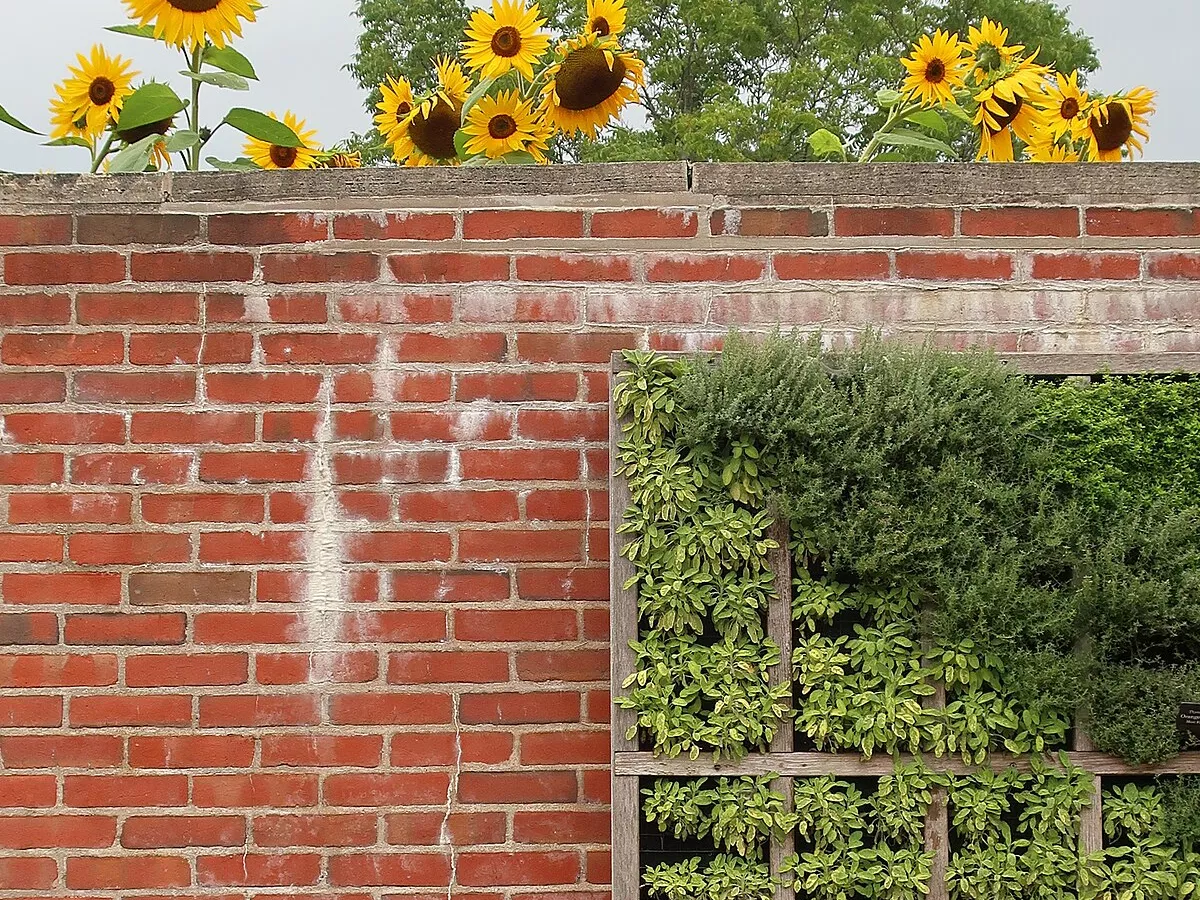
Image information
This is a representative image for this Daily News lesson.
Intro
A Chicago entrepreneur is converting empty downtown office space into vertical gardens after workplace patterns changed during the pandemic.
Vocabulary
| Word | Part of speech | Meaning | Example |
|---|---|---|---|
| entrepreneur noun | noun | Meaning: A person who starts and develops a business or project. | Example: The entrepreneur created a company that grows food indoors. |
| purpose noun | noun | Meaning: The reason something exists or is used. | Example: The building now has a new purpose as a community center. |
| vacant adjective | adjective | Meaning: Empty and not being used. | Example: The company rented a vacant store near the station. |
| limited adjective | adjective | Meaning: Restricted in amount, size, or availability. | Example: The restaurant must work with limited kitchen space. |
| efficiently adverb | adverb | Meaning: In a way that uses time, energy, or resources well. | Example: The new system uses water more efficiently. |
| adaptation noun | noun | Meaning: A change made to fit new conditions. | Example: Moving classes online required adaptation from teachers and students. |
| disruption noun | noun | Meaning: A situation in which normal activity is interrupted or changed. | Example: The transportation disruption delayed many commuters. |
The story
A Chicago entrepreneur is turning empty downtown office space into vertical gardens. The project responds to a major change that followed the pandemic: many people no longer work in offices as often as they once did.
Before the pandemic, downtown offices were a regular workplace for large numbers of employees. Since then, work has changed in many industries. Some people work from home, while others divide their time between home and an office. As a result, many offices have been left empty or are used less often.
The entrepreneur’s idea is to give some of that unused space a different purpose. Instead of remaining vacant, an office can become a place where plants grow vertically. In a vertical garden, plants are arranged upward, often on shelves, walls, or stacked structures. This design uses height as well as floor space.
The project connects two familiar urban questions: what should happen to empty buildings, and how can cities make better use of limited space? It does not present vertical gardens as a complete answer to the large amount of unused office space. However, it offers one example of how a changing workplace can lead to a new use for an existing building.
Vertical gardening is especially suited to places where open land is limited. Unlike a traditional garden, which usually spreads across the ground, a vertical system can fit into a smaller indoor area. Plants may be grown in containers and can be placed at different levels. The basic idea is to use space more efficiently by building upward.
For Chicago, the effort is a practical experiment in adaptation. Empty downtown offices are a visible result of changing work habits. By bringing gardens into one of those spaces, the entrepreneur is testing a new role for an area that was designed for desks, meetings, and daily office life.
The project shows that an unused office does not have to remain only a reminder of disruption. It can also become part of a new approach to city space.
Warm-up questions
- What new uses could empty office buildings have in a changing city?
- What are the advantages and possible challenges of growing plants indoors?
Comprehension questions
- Why are many downtown offices empty or used less often?
- How are plants arranged in a vertical garden?
- Why are vertical gardens useful where open land is scarce?
- What two urban questions does the project connect?
- What does the project demonstrate about unused offices?
Opinion questions
- Do you think converting offices into gardens is a practical response to changing work habits? Why or why not?
- Would you prefer to work in a traditional office or a building with indoor gardens? Explain your choice.
Further discussion
- What other community or environmental projects could use empty downtown buildings?
- How might cities balance office space, housing, gardens, and other competing needs?
Writing prompt
- Write a short proposal explaining how one empty building in your city could be given a useful new purpose.