How Hydroxyapatite Toothpaste Compares With Fluoride for Oral Health
 By Emma Carter
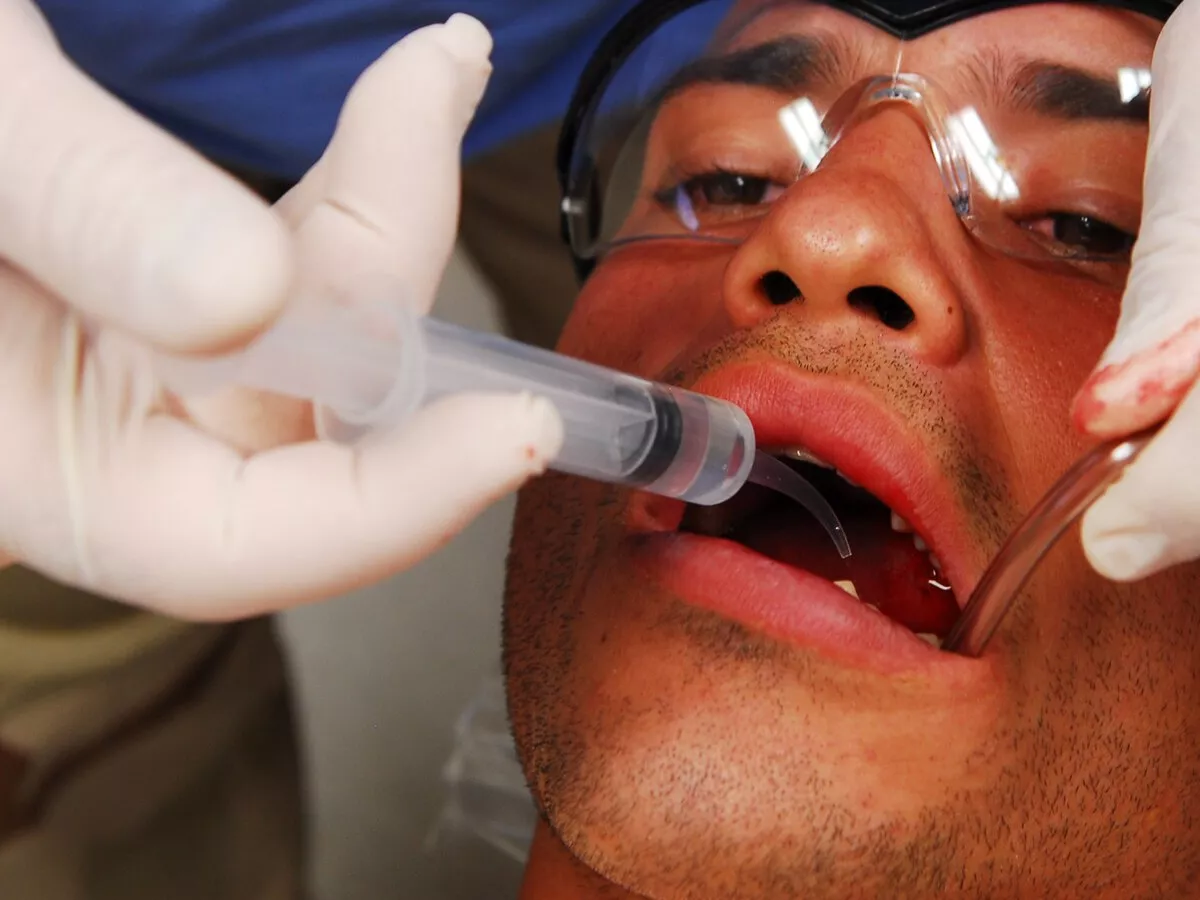
Image information
This is a representative image for this Daily News lesson.
Intro
Hydroxyapatite toothpaste is attracting attention as a fluoride-free alternative, although fluoride remains widely recognized for its contribution to dental health.
Vocabulary
| Word | Part of speech | Meaning | Example |
|---|---|---|---|
| conventional adjective | adjective | Meaning: following established customs, methods, or standards rather than being novel or alternative | Example: The clinic replaced its conventional procedure with a more conservative approach. |
| subsequently adverb | adverb | Meaning: afterward or later, especially as a consequence of an earlier event | Example: The researchers identified the initial error and subsequently revised their conclusions. |
| protective adjective | adjective | Meaning: intended to guard against harm, damage, or an undesirable effect | Example: The coating provides a protective barrier against prolonged exposure to moisture. |
| perceived adjective | adjective | Meaning: recognized or understood in a particular way, whether or not that understanding is fully objective | Example: The policy was introduced in response to perceived inequalities within the institution. |
| demonstrating verb | verb | Meaning: showing or proving something through evidence or reasoning | Example: The trial is demonstrating that the revised method can reduce processing time. |
| composition noun | noun | Meaning: the particular arrangement or makeup of the parts of something | Example: The composition of the committee changed substantially after the merger. |
| fashionable adjective | adjective | Meaning: popular or socially attractive at a particular time, often because it is associated with current trends | Example: A fashionable solution may still be unsuitable for a complex institutional problem. |
The story
A fluoride-free toothpaste containing hydroxyapatite is drawing increasing attention from consumers who want an alternative to conventional dental products. Hydroxyapatite is a calcium phosphate mineral, and products containing it are being promoted for several benefits commonly associated with toothpaste, including cavity protection, whitening, and strengthening tooth enamel.
Jin-Ho Phark, an associate professor of clinical dentistry at the University of Southern California, says patients have recently been asking more frequently about fluoride-free options. He has also noticed similar interest among students. Social-media influencers and other online personalities appear to be contributing to hydroxyapatite’s visibility.
The comparison is significant because fluoride toothpaste has occupied a central place in oral care for decades. Fluoride products became common in the late 1950s and subsequently became widely available around the world. Fluoride, a naturally occurring mineral, helps protect the outer layer of teeth from bacteria that contribute to cavities. Dental experts widely regard that protective effect as beneficial to health.
Hydroxyapatite therefore appeals to people who want some of the same perceived advantages without fluoride. However, the available discussion establishes interest and some research support for the ingredient without demonstrating that every hydroxyapatite product performs identically or that it should automatically replace fluoride toothpaste.
The issue also reflects a broader understanding of oral health. Livia Tenuta, a dentist specializing in preventing tooth decay at the University of Michigan, links oral health with the microorganisms in the mouth, wider systemic health, and the composition of the gut microbiome. Bennett Amaechi of the University of Texas at San Antonio says more people are rejecting fluoride altogether or feeling hesitant about it, particularly when selecting products for children.
For consumers, the central question is not simply whether a toothpaste is fashionable or fluoride-free. It is how convincingly its ingredients support the dental protection they seek.
Warm-up questions
- What factors might influence someone to choose a fluoride-free toothpaste?
- How should consumers evaluate health claims promoted by online personalities?
Comprehension questions
- Why is hydroxyapatite toothpaste attracting consumer attention?
- What has Jin-Ho Phark observed about interest in fluoride-free products?
- Why does fluoride remain central to the comparison?
- What limitation does the article identify concerning hydroxyapatite products?
- What broader perspective on oral health does Livia Tenuta provide?
Opinion questions
- Should parents prioritize established evidence over product trends when choosing toothpaste for children? Explain your view.
- How much responsibility should online influencers bear when discussing health-related products?
Further discussion
- What kinds of evidence would be needed to compare hydroxyapatite and fluoride toothpaste fairly?
- How might the relationship between oral health and systemic health affect public-health messaging?
Writing prompt
- Write a 220-word evaluative article advising consumers how to assess fluoride-free toothpaste claims while acknowledging both established evidence and emerging interest.