Social Media Influencers Draw New Attention to Unassisted Home Birth
 By Emma Carter
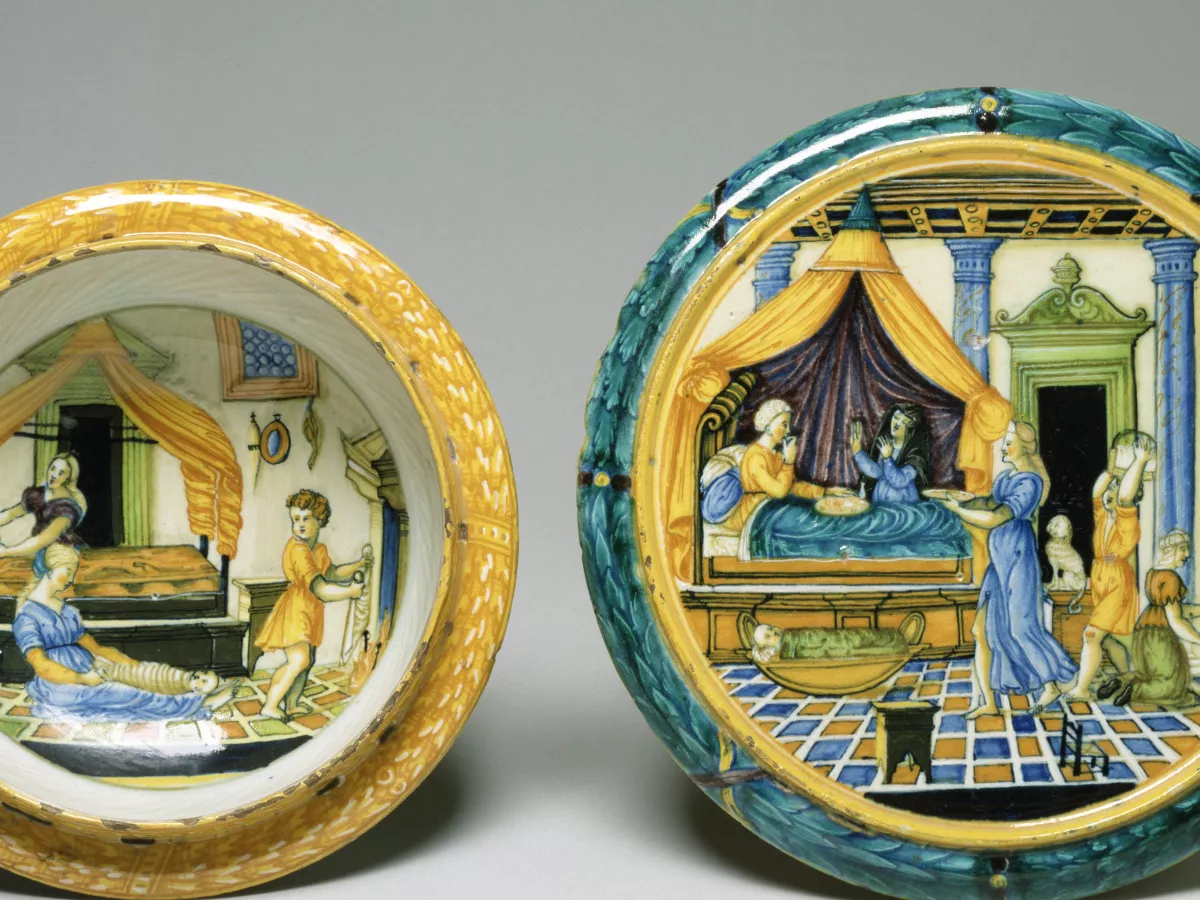
Image information
This is a representative image for this Daily News lesson.
Intro
Social media influencers are bringing renewed attention to free birth, a practice in which someone gives birth at home without a midwife. The growing visibility of the practice is also raising concerns about the dangers of removing trained medical support from childbirth.
Vocabulary
| Word | Part of speech | Meaning | Example |
|---|---|---|---|
| persuasive adjective | adjective | Meaning: capable of influencing beliefs or decisions through convincing presentation | Example: Her persuasive explanation encouraged the committee to reconsider the proposal. |
| monitoring noun | noun | Meaning: the systematic observation of a situation to detect changes or problems | Example: Continuous monitoring helped doctors identify the patient’s deterioration early. |
| complications noun | noun | Meaning: unexpected problems that make a situation more difficult or dangerous | Example: The surgery was successful, although several complications prolonged the recovery. |
| qualified adjective | adjective | Meaning: having the training, knowledge, or credentials required for a task | Example: Only qualified technicians are permitted to repair the laboratory equipment. |
| testimony noun | noun | Meaning: a personal account or statement offered as evidence or support | Example: One witness’s testimony clarified how the misunderstanding had developed. |
| distinguish verb | verb | Meaning: to recognize or explain the difference between two similar things | Example: Experienced readers distinguish reliable analysis from confident speculation. |
| consequently adverb | adverb | Meaning: as a result of something previously stated | Example: The evidence was incomplete; consequently, the researchers avoided definitive conclusions. |
The story
Social media influencers are helping free birth attract new attention, even though the practice carries severe medical risks. Free birth generally refers to giving birth at home without a midwife or another trained birth professional present. By presenting the experience online, influencers can make the practice more visible to audiences who may be unfamiliar with it.
The appeal of such content is easy to understand. Social platforms allow people to share intimate experiences directly, often in a format that feels personal and immediate. Viewers may encounter accounts of pregnancy and birth as narratives of independence, confidence, or control. However, an engaging personal story cannot establish that the same choice is safe for everyone.
Childbirth can change rapidly, which is why trained professionals are normally involved in monitoring the parent and baby and responding when complications arise. In a home birth without a midwife, that professional support is absent. The phrase “severe risks” therefore points to more than an abstract medical concern: it describes the potentially serious consequences of being without qualified assistance when urgent care may be needed.
Influencers also occupy an unusual position in health discussions. They may be sharing their own experiences rather than offering formal medical guidance, yet their reach can give personal accounts considerable persuasive power. Followers may interpret confidence, popularity, or repeated exposure as evidence that a practice is reliable, even when those impressions do not amount to medical proof.
The growing online interest in free birth consequently presents a difficult balance between personal expression and public health. People can discuss their choices openly, but audiences also need to distinguish an individual testimony from information about medical safety. Greater visibility may encourage curiosity and community; it can also make a high-risk practice appear more ordinary than it is.
Warm-up questions
- What advantages and dangers might arise when influencers discuss personal health experiences publicly?
- How can audiences evaluate a compelling personal story without treating it as universal evidence?
Comprehension questions
- What does free birth generally involve?
- Why can social-media content make free birth appear attractive?
- Why does the article emphasize trained professionals during childbirth?
- Why might an influencer’s confidence be mistaken for medical evidence?
- What central balance does the article identify?
Opinion questions
- Should influencers discussing high-risk health choices be expected to include explicit medical disclaimers? Explain your position.
- When, if ever, can a personal health narrative responsibly influence another person’s decision?
Further discussion
- How might platform design amplify the difference between visibility and credibility in health discussions?
- What forms of public-health communication could acknowledge personal autonomy without normalizing dangerous practices?
Writing prompt
- Write a 250-word editorial evaluating how social-media influencers should discuss high-risk health practices, using the article’s distinction between testimony and medical evidence.