What marathon training may do to the body, examined through one reporter’s preparation
 By Emma Carter
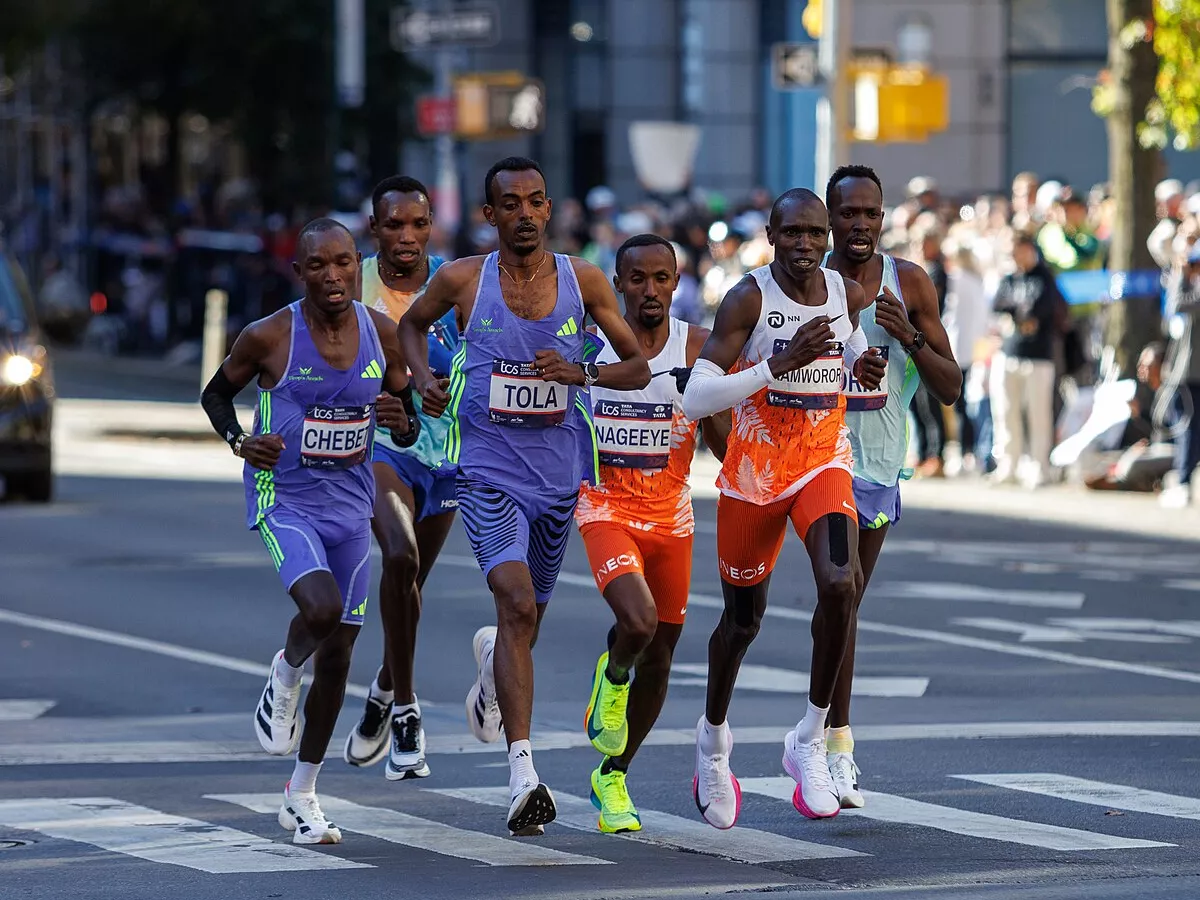
Image information
This is a representative image for this Daily News lesson.
Intro
Marathon preparation is often described in terms of mileage, pace, and endurance. This account examines the question from a different angle: what might sustained training do inside the body? Before running the New York City Marathon, NPR reporter Elissa Nadworny becomes the subject of a series of medical tests, prompted by a personal concern about whether marathon training could be harmful.
Vocabulary
| Word | Part of speech | Meaning | Example |
|---|---|---|---|
| consequential adjective | adjective | Meaning: Having significant effects or importance, especially in a particular situation. | Example: The study produced consequential evidence about the long-term effects of sedentary work. |
| continually adverb | adverb | Meaning: Repeatedly or without interruption over an extended period. | Example: The laboratory continually revised its model as new findings emerged. |
| undergoes verb | verb | Meaning: Experiences or submits to a process, examination, or transformation. | Example: The candidate undergoes rigorous screening before receiving clearance. |
| assessment noun | noun | Meaning: A systematic evaluation of a condition, situation, or performance. | Example: The assessment considered both immediate symptoms and possible underlying causes. |
| warrant verb | verb | Meaning: Justify or require a particular action, response, or degree of attention. | Example: The preliminary findings warrant further investigation before any conclusion is drawn. |
| meanwhile adverb | adverb | Meaning: At the same time or during the intervening period. | Example: The engineers reviewed the data; meanwhile, the field team conducted additional measurements. |
| scrutiny noun | noun | Meaning: Careful, critical, and detailed examination. | Example: The policy came under intense scrutiny after its assumptions were challenged. |
| overlook verb | verb | Meaning: Fail to notice, consider, or give sufficient attention to something. | Example: Researchers may overlook subtle variables when relying exclusively on aggregate data. |
The story
Marathon training is usually measured in visible terms: miles completed, pace improved, and stamina built over time. Yet the most consequential changes may be less apparent. As a runner increases the duration and frequency of exercise, the body must continually respond to repeated physical stress, altered energy demands, and the need to recover between sessions.
Before running the New York City Marathon, NPR reporter Elissa Nadworny sets out to examine that process through medical testing. She undergoes a bone scan, blood work, and a treadmill test, using several forms of assessment to investigate a question that is both personal and broadly relevant: can marathon training be bad for the body?
Each test offers a different perspective. A bone scan is an imaging procedure that can show patterns of activity in bone, potentially helping clinicians identify areas that warrant closer attention. Blood work can provide information about elements of the body’s internal state, although the meaning of any result depends on the specific tests performed and the wider medical context. A treadmill test, meanwhile, observes the body while it is exercising, making it possible to assess aspects of physical response under controlled conditions.
Taken together, these examinations shift the focus from the race itself to the demands of preparing for it. Training is not simply a sequence of increasingly long runs; it is an ongoing negotiation between exertion and repair. The same routine that builds capacity can also expose weaknesses when intensity, recovery, nutrition, or other factors are poorly balanced. That does not mean endurance training is inherently damaging. Rather, its effects depend on how the body responds and how the program is managed.
Nadworny’s pre-race investigation therefore treats marathon preparation as a subject for scrutiny rather than an uncomplicated badge of fitness. By combining exercise with clinical evaluation, it asks what conventional measures of athletic progress may overlook—and what the body might reveal before the starting line.
Warm-up questions
- Which bodily effects of intensive training might remain invisible to an athlete?
- What kinds of medical evidence could complement conventional measures of athletic progress?
Comprehension questions
- What visible measures traditionally define marathon training?
- Why does Nadworny undertake several medical tests?
- How does the article distinguish the three tests?
- What factors can make a training routine expose weaknesses?
- What broader perspective does the investigation adopt?
Opinion questions
- Should endurance athletes receive medical evaluation as part of serious training? Explain your position.
- Is the article’s cautious treatment of marathon training more persuasive than a celebratory account would be?
Further discussion
- How might conventional athletic metrics obscure meaningful physiological changes?
- What ethical considerations arise when journalists turn personal medical testing into public reporting?
Writing prompt
- Write a structured analytical response explaining how the article reframes marathon preparation as a negotiation between performance and bodily risk.