A Walk Through Welsh History on Glyndŵr’s Way
 By Emma Carter

Image information
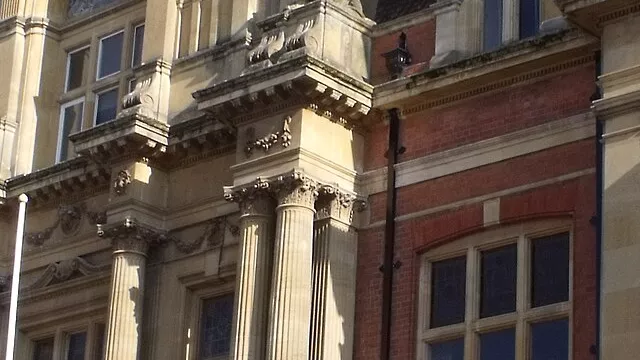
This is a representative image for this Daily News lesson.
Intro
Glyndŵr’s Way combines a long-distance walk through Wales with reminders of the country’s medieval past.
Vocabulary
| Word | Part of speech | Meaning | Example |
|---|---|---|---|
| stretches verb | verb | Meaning: continues across a particular distance or area | Example: The cycling path stretches along the coast for several miles. |
| detour noun | noun | Meaning: a longer or less direct route taken to avoid something or visit somewhere | Example: We took a short detour to visit the old lighthouse. |
| accommodation noun | noun | Meaning: a place where someone can stay temporarily | Example: The conference organizers arranged comfortable accommodation near the station. |
| battlements noun | noun | Meaning: the protected upper edges of a castle wall, usually with regularly spaced openings | Example: Visitors could walk along the castle battlements and look across the valley. |
| elusive adjective | adjective | Meaning: difficult to find, understand, or describe clearly | Example: A completely reliable explanation for the failure remains elusive. |
| relevant adjective | adjective | Meaning: directly connected with or useful for understanding a subject | Example: The researcher included only evidence relevant to the central question. |
| mixture noun | noun | Meaning: a combination of different things or qualities | Example: The exhibition presents a mixture of personal stories and historical documents. |
The story
Glyndŵr’s Way begins in the Welsh border town of Knighton and stretches for 135 miles, or 217 kilometers. Named after Owain Glyndŵr, described as the last Welsh Prince of Wales, the national trail offers walkers a peaceful way to experience landscapes connected with Welsh history.
A writer exploring the start of the route is traveling with Stevie, a terrier, and has made a short detour to find dog-friendly accommodation. The Castle Inn at Knucklas is about a mile from the trail and roughly two miles from Knighton. Although the walk has not yet reached the official route, the surrounding views already bring the area’s past into focus.
From between the trees, the writer sees the towers of a distant castle covered partly by mist. Soon, the towers disappear behind the trees, and a railway viaduct comes into view. The nearby medieval castle ruins are believed to have provided stone for the viaduct when it was built in the 1860s. Builders also added two small towers with battlements, known as crenellations, to recognize the historical origins of the material.
The scene suggests that Glyndŵr’s presence may be difficult to find, just as details of the man himself can be elusive. Even so, the landscape creates a clear link between the trail and the figure whose name it carries. That connection is especially relevant as actor Michael Sheen prepares to bring Owain Glyndŵr to life on stage.
For walkers, the route therefore offers more than distance and scenery. Its beginning near Knighton presents a mixture of countryside, transport history, castle remains, and cultural memory. The journey starts with a detour, but the surrounding landscape quickly provides an introduction to the story behind the trail.
Warm-up questions
- What kinds of places can reveal information about a region’s history?
- Would you prefer a famous long-distance trail or a short local walk? Explain why.
Comprehension questions
- Where does Glyndŵr’s Way begin, and how long is it?
- Why has the writer made a short detour?
- What relationship between the castle and viaduct does the article describe?
- Why were battlements added to the viaduct’s towers?
- What does the route offer beyond physical distance and scenery?
Opinion questions
- Would historical evidence make a walking route more interesting to you? Why or why not?
- How important is it for modern communities to preserve links with historical figures?
Further discussion
- How can tourism support historical understanding without damaging important sites?
- What other forms of transport history could be included in a cultural walking route?
Writing prompt
- Write a 180–220-word description of a historical walking route, explaining how its landscape connects visitors with the past.