
TSA PreCheck Members Can Apply to Enter Secure Airport Areas Without Flying
 By Emma Carter
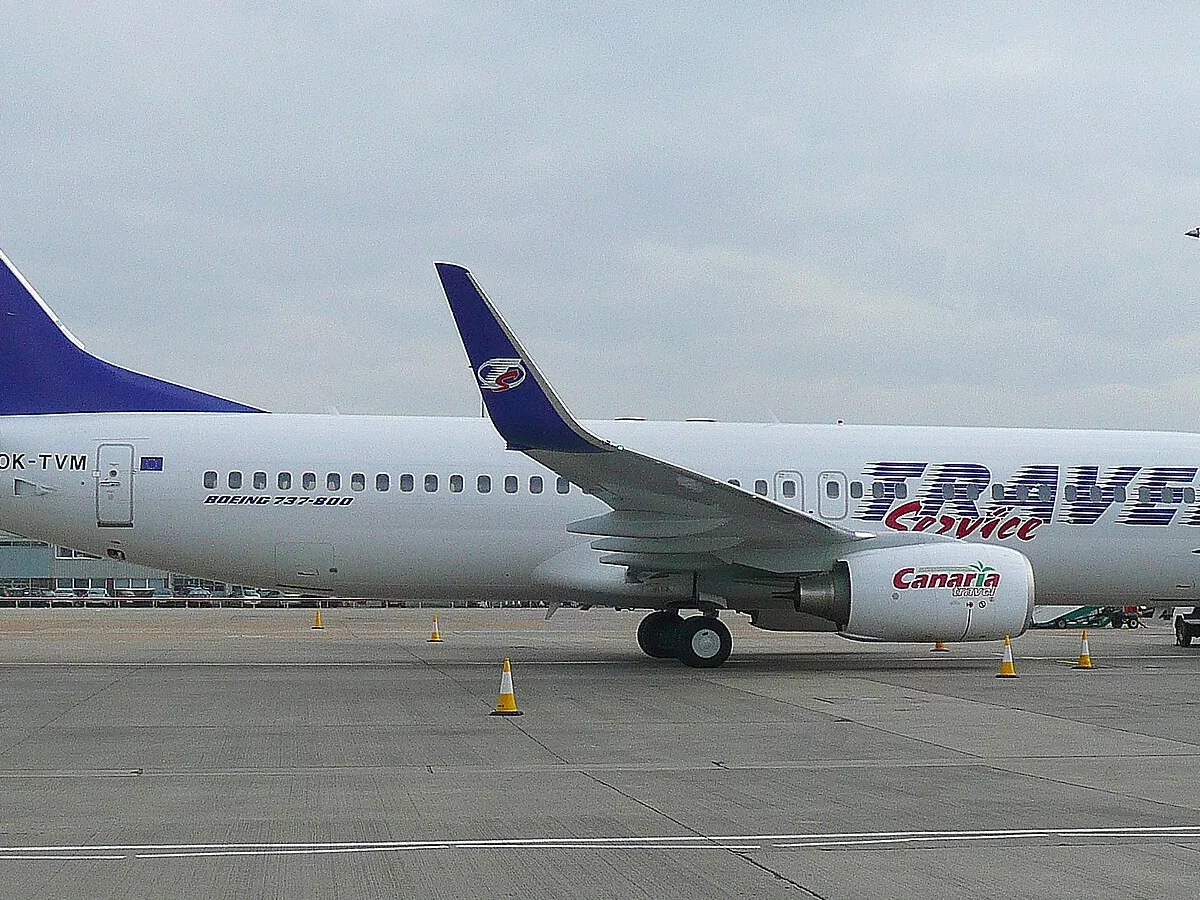
Image information
This is a representative image for this Daily News lesson.
Intro
TSA PreCheck is expanding beyond passengers who are traveling themselves. At more than a dozen U.S. airports, members can now apply to enter the secure area even when they do not have a plane ticket.
Vocabulary
| Word | Part of speech | Meaning | Example |
|---|---|---|---|
| possibility noun | noun | Meaning: a chance that something can happen or be done | Example: The new policy creates a possibility for airport visitors to meet travelers inside. |
| intended adjective | adjective | Meaning: planned or designed for a particular purpose | Example: The scholarship is intended for students who demonstrate financial need. |
| associated adjective | adjective | Meaning: connected with a particular person, idea, or situation | Example: Regular exercise is associated with better physical and mental health. |
| limited adjective | adjective | Meaning: restricted in amount, range, or availability | Example: The museum offers limited access during the building renovation. |
| coverage noun | noun | Meaning: the extent to which something includes places, people, or situations | Example: The mobile company has expanded its coverage in rural areas. |
| conditions noun | noun | Meaning: requirements that must be met before something is possible | Example: Applicants must satisfy several conditions before receiving approval. |
| flexible adjective | adjective | Meaning: able to change or adapt easily to different needs or circumstances | Example: A flexible schedule allows employees to manage unexpected responsibilities. |
The story
TSA PreCheck is opening a new possibility for some people who are visiting an airport but are not traveling. At more than a dozen airports in the United States, PreCheck members can now apply to enter the secure area even when they do not have a plane ticket.
The option is intended for members who want to meet someone on a flight. This could include a person visiting an airport to meet a traveler connected to an arrival or departure. The important change is that the PreCheck member does not need to be flying in order to apply for access.
Airport security areas are normally associated with passengers who have passed through screening for a specific trip. The reported change creates a limited route for certain PreCheck members who have another reason to be there. However, the policy does not mean that every airport now offers this possibility. The coverage refers to more than a dozen participating airports.
The change may be useful for people who need to meet someone at the airport and want to go beyond the public part of the building. It also shows how airport security access can be connected to a person’s status in a trusted traveler program, even when that person is not boarding a plane.
Travelers interested in using the option will need to apply. The available information identifies TSA PreCheck membership and participation by the airport as important conditions. Because the arrangement applies at more than a dozen airports rather than across the entire country, members will need to check whether the airport they plan to visit is included.
The New York Times reported the update on September 8, 2026. For PreCheck members, the policy could make airport visits more flexible when their purpose is to meet someone traveling by air.
Warm-up questions
- When might someone visit an airport without planning to fly?
- What advantages and risks might come from allowing non-passengers into secure airport areas?
Comprehension questions
- Who can apply to enter the secure area without a plane ticket?
- What is the main purpose of the new option?
- Why is the policy not available at every airport?
- What must members do before using the option?
- Why could the policy make airport visits more flexible?
Opinion questions
- Would you personally support this policy at more airports? Explain your reasoning.
- Should trusted-traveler status influence access to secure airport areas? Why or why not?
Further discussion
- What procedures could airports use to balance visitor convenience with security concerns?
- How might this policy affect families meeting elderly relatives, children, or travelers needing assistance?
Writing prompt
- Write a short opinion essay explaining whether this policy should be expanded nationwide. Present reasons, possible concerns, and a conclusion.
Practice this story
4 testsSources
Topics
-

Travel & Experiences
A taste of home: discovering Sweden’s local food heroes
Sep 14, 2026 2 min read B2 -

Travel & Experiences
Shiyazh Pete’s viral locker-room speech inspires the Navajo Nation
Sep 4, 2026 2 min read B2 -
Travel & Experiences
Qantas’s New York-to-Sydney ‘Project Sunrise’ Flights to Take Off in 2028
Sep 23, 2026 2 min read C1 -

Travel & Experiences
Share a tip on a wellness experience in the UK and Europe
Sep 22, 2026 3 min read C2 -

Travel & Experiences
On Sweden’s Kungsleden Trail, a Hike Becomes an Encounter With Reindeer and Shared Wonder
Sep 17, 2026 3 min read C2 -

Travel & Experiences
Kent is having a champagne moment: ‘English wine has gone from a joke to world-class’
Sep 13, 2026 2 min read C1