
Science roundup highlights T. rex footprints, solar “superflares,” and reading’s reported brain benefits
 By Emma Carter
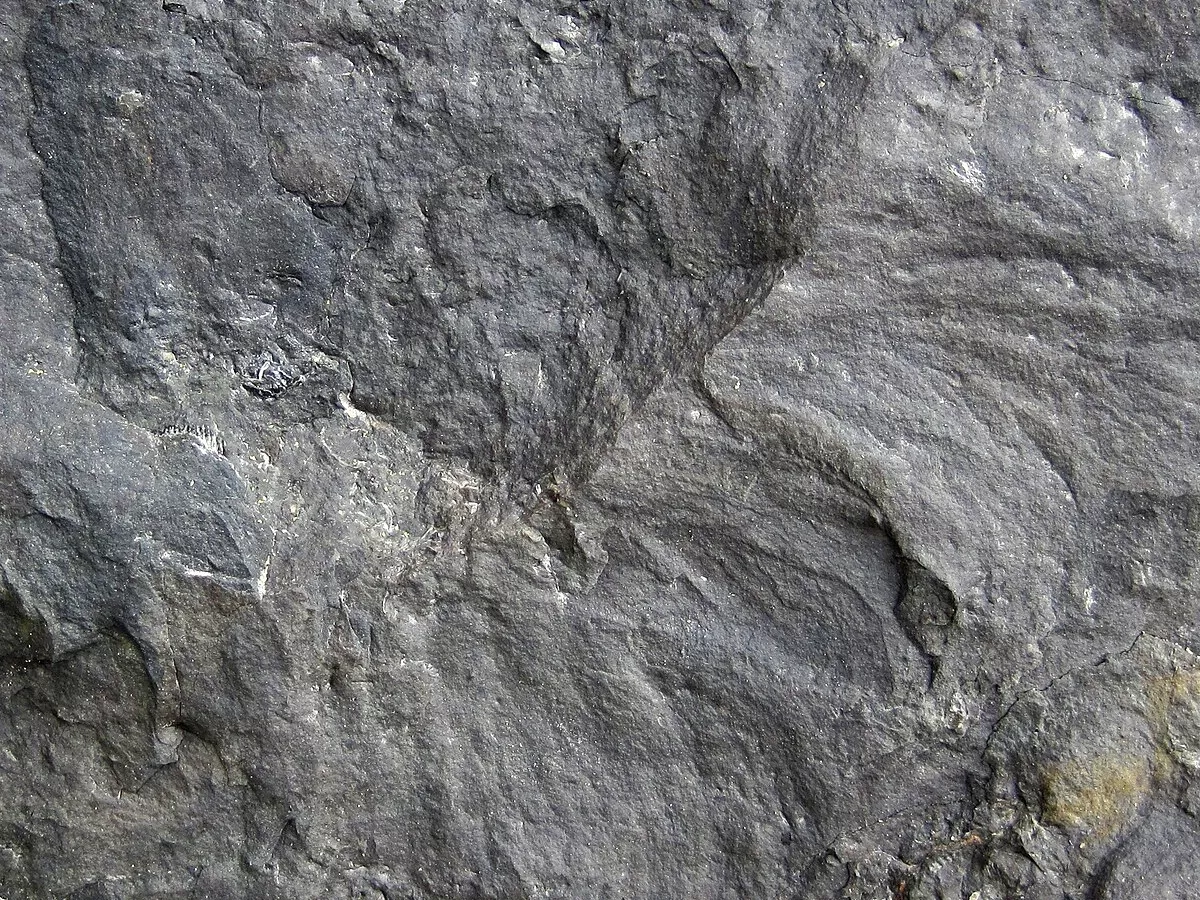
Image information
This is a representative image for this Daily News lesson.
Intro
A weekly NPR science roundup links evidence from the prehistoric past with questions about the Sun and the effects of reading on the brain.
Vocabulary
| Word | Part of speech | Meaning | Example |
|---|---|---|---|
| roundup noun | noun | Meaning: A concise collection or summary of items, reports, or developments. | Example: The editorial roundup juxtaposed findings that rarely appear in the same discussion. |
| fossilized adjective | adjective | Meaning: Preserved as a fossil through geological processes over immense periods of time. | Example: The museum displayed fossilized pollen that revealed the region’s ancient climate. |
| traces noun | noun | Meaning: Residual signs or indications left by something that is no longer present. | Example: Researchers reconstructed the settlement from traces of repeated human activity. |
| examining verb | verb | Meaning: Investigating something carefully and systematically in order to understand it. | Example: The commission is examining whether the policy produced unintended consequences. |
| frequency noun | noun | Meaning: The rate at which an event occurs during a specified period. | Example: The frequency of extreme weather events complicates long-term infrastructure planning. |
| scope noun | noun | Meaning: The extent, range, or breadth covered by an activity, subject, or investigation. | Example: The study’s scope was expanded to include demographic and environmental variables. |
| distinctions noun | noun | Meaning: Differences between concepts that are sufficiently significant to require separate consideration. | Example: The argument depends on several distinctions between correlation, prediction, and causation. |
| cognitive adjective | adjective | Meaning: Relating to mental processes such as perception, memory, reasoning, or learning. | Example: The intervention produced measurable cognitive improvements without altering participants’ routines. |
The story
A new NPR science roundup brings together three subjects that would ordinarily occupy very different corners of scientific discussion: the enormous footprints of a Tyrannosaurus rex, powerful eruptions on the Sun, and the possible benefits of reading for the brain.
The report begins with paleontologists’ discovery of fossilized T. rex footprints. Rather than focusing on the animal’s bones, this part of the roundup centers on the traces it left behind. The finding offers a glimpse of how evidence from the distant past continues to shape scientific reporting, even when the creature itself has long disappeared.
The roundup then turns from prehistoric Earth to the Sun, examining what it calls solar “superflares.” The term signals an unusually intense form of solar activity, although the source package does not provide further details about the events, their frequency, or their possible effects. Their inclusion broadens the report’s scope from the history of life on Earth to the behavior of a star that remains central to the planet’s environment.
The third subject is more familiar and more directly connected to everyday life: the relationship between reading and the brain. NPR identifies potential brain benefits associated with reading, but the available source summary does not specify which benefits were discussed, how they were measured, or whether the findings establish a direct cause-and-effect relationship. Those distinctions matter, particularly when scientific results are translated into advice about ordinary habits.
Taken together, the three items illustrate the range of a weekly science-news program. One story looks backward through traces preserved in the fossil record; another considers extreme solar phenomena; and the third addresses a common human activity and its reported connection to brain function. The package does not identify a single location, named researcher, or numerical result for the coverage.
NPR presented these topics in its Short Wave science-news roundup published September 17, 2026. For readers, the common thread is not a shared discovery but the variety of questions that science can investigate—from the tracks of a giant dinosaur to the behavior of the Sun and the cognitive significance of reading.
Warm-up questions
- Which scientific questions can be investigated through indirect evidence rather than direct observation?
- How might a news program create coherence among stories drawn from unrelated scientific fields?
Comprehension questions
- What three subjects does the roundup bring together?
- What distinguishes the fossil-footprint story from a conventional dinosaur report?
- What information about solar superflares remains unspecified?
- Why does the article caution readers about claims concerning reading and the brain?
- What common thread does the article identify among the three items?
Opinion questions
- Should science reporting routinely distinguish correlation from causation when discussing everyday habits?
- Which of the three subjects would most merit a longer feature, and what perspective would you add?
Further discussion
- How can indirect evidence, such as footprints, support persuasive scientific conclusions?
- What editorial risks arise when a roundup places well-established evidence beside cautiously reported findings?
Writing prompt
- Write a critical response evaluating how effectively the roundup balances scientific variety with evidential caution.
Practice this story
4 testsSources
Topics
-
Science & Technology
‘Fire amoeba’ sets a new thermal limit for complex life
Sep 23, 2026 2 min read C2 -
Science & Technology
August Was the Hottest Month Ever Recorded Globally, Scientists Say
Sep 13, 2026 3 min read C2 -
Science & Technology
Heat Deaths Highlight the Particular Risks Facing Americans in Manufactured Homes
Sep 8, 2026 2 min read C2 -

Science & Technology
Archaeologists race to save artifacts in Alaska after storm damage
Sep 20, 2026 2 min read B2 -

Science & Technology
Pennsylvania Reports Third Measles-Related Death in Less Than Three Weeks
Sep 14, 2026 2 min read C1 -
Science & Technology
A fossil feather from the age of dinosaurs may explain why only some birds survived
Sep 11, 2026 2 min read B1