
Why This Story Cannot Yet Be Reported as a Factual News Lesson
 By Emma Carter
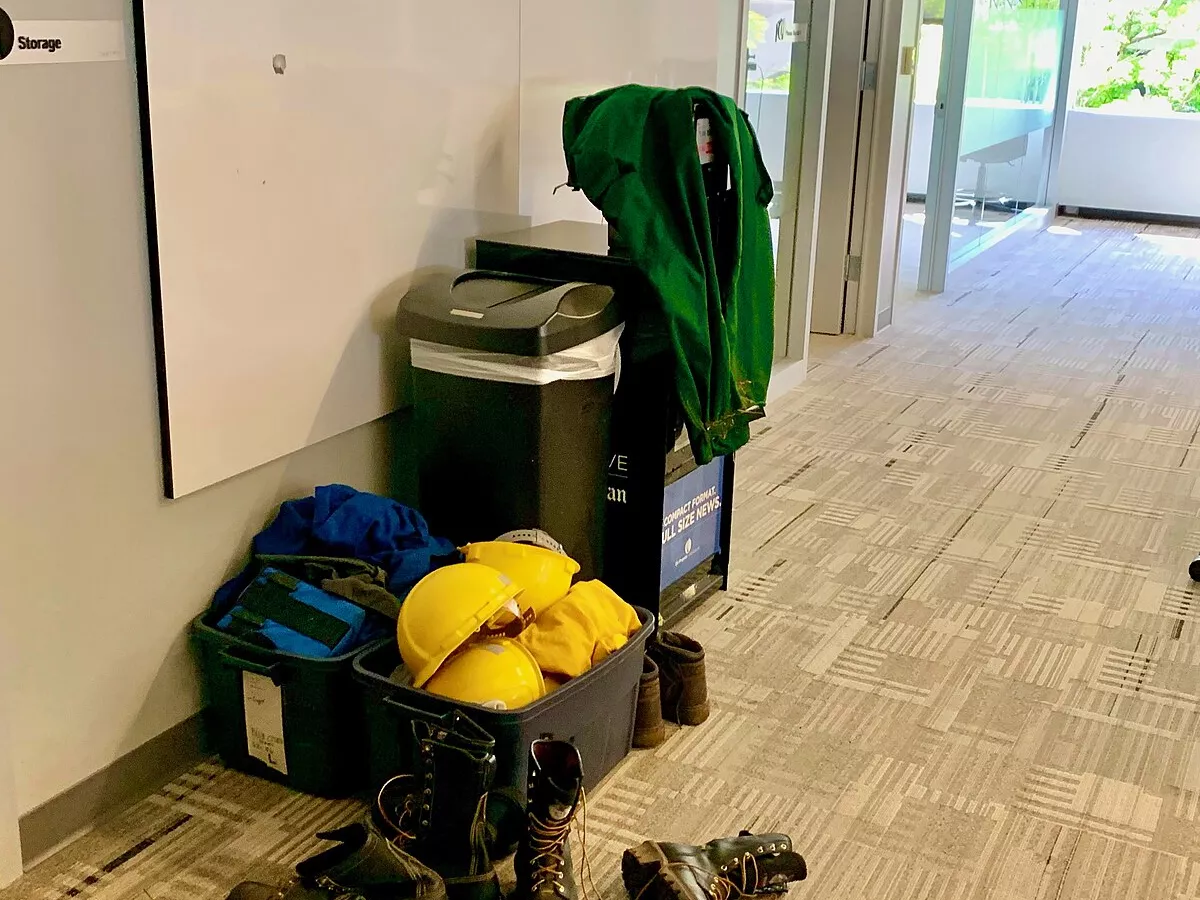
Image information
This is a representative image for this Daily News lesson.
Intro
The verified package does not provide enough information to produce a factual article about an underlying event without adding unsupported details.
Vocabulary
| Word | Part of speech | Meaning | Example |
|---|---|---|---|
| verified adjective | adjective | Meaning: checked and shown to be accurate or true | Example: The editor used only verified information in the report. |
| headline noun | noun | Meaning: the main title of a newspaper or online news story | Example: The headline attracted readers' attention immediately. |
| signals verb | verb | Meaning: shows or suggests that something is happening or likely to happen | Example: A sudden drop in sales signals a possible problem. |
| confirmed adjective | adjective | Meaning: officially shown to be true or certain | Example: The police released no confirmed details about the incident. |
| metadata noun | noun | Meaning: information that describes a document, file, or publication | Example: The website stores metadata about when each photograph was created. |
| significance noun | noun | Meaning: the importance or meaning of something | Example: The study explains the significance of the discovery. |
| responsibly adverb | adverb | Meaning: in a careful way that considers accuracy and possible effects | Example: Journalists must report responsibly when information is incomplete. |
The story
The supplied story package does not provide enough verified information for a factual news lesson. It contains one source, published by The New York Times, with the headline “Here’s the latest.” That headline signals an update, but it does not say what happened or what subject the update concerns.
No event is described in the package. It does not identify any people, groups, officials, institutions, or other organizations connected with the report. It also gives no confirmed place. The package’s country field is empty, so a location or national setting cannot be added safely.
The supplied metadata records September 10, 2026, as the publication date. This date identifies when the source was published, not when an event happened. The package also classifies the item as human-interest and assigns it to a culture-and-society topic. Those labels describe the editorial category, but they do not establish a specific story, development, or public significance. The source is also marked as not primary in the metadata, although that status does not provide additional facts.
This lack of detail matters because a factual article needs more than a broad title and a publisher’s name. Readers need to know the central event, the people or communities involved, and the context that makes the report meaningful. Adding a setting, explanation, quotation, number, or timeline would go beyond the verified material.
The safest conclusion is that the article stage cannot responsibly summarize the underlying news event from this package alone. A fuller source summary or a replacement package with concrete, directly supported facts would be needed before publication. Until then, the headline, publisher, and metadata date are the only usable facts, and the report should remain unexpanded.
Warm-up questions
- What information do you expect a factual news article to include?
- Why might a journalist avoid publishing a story with limited evidence?
Comprehension questions
- What does the supplied package contain besides its publisher?
- What can the headline suggest, and what can it not explain?
- Why cannot the country field support adding a location?
- What does the publication date identify?
- What would be needed before publication?
Opinion questions
- Do you think refusing to expand this report is the most responsible decision? Why?
- Which missing fact would be most important to obtain first: the event, people, place, or context?
Further discussion
- How can news organizations balance speed with the need to verify information?
- What risks may arise when readers mistake editorial labels for evidence about an event?
Writing prompt
- Write a short editorial note explaining why this package cannot yet support publication.
Practice this story
4 testsSources
Topics
-

Culture & Society
What to Know About Amazon’s Air Cargo Carrier After Miami Crash
Sep 7, 2026 2 min read B2 -
Culture & Society
Steinem and Parton’s Deaths Leave Feminists Grieving Two Influential Voices
Sep 6, 2026 2 min read B2 -

Culture & Society
91-Year-Old Hiker Becomes Oldest Person to Complete Appalachian Trail
Sep 5, 2026 2 min read B2 -
Culture & Society
Chicago River Bridge Stays Raised for More Than Four Hours, Disrupting Downtown Traffic
Sep 3, 2026 2 min read B2 -
Culture & Society
Wisconsin congressman describes swimming to safety after small plane makes emergency landing in Lake Wausau
Sep 14, 2026 2 min read C2 -

Culture & Society
Afghan Woman Deported After First Case in Long-Dormant Terrorism Court
Sep 12, 2026 2 min read B1