
Chicago River Bridge Stays Raised for More Than Four Hours, Disrupting Downtown Traffic
 By Emma Carter
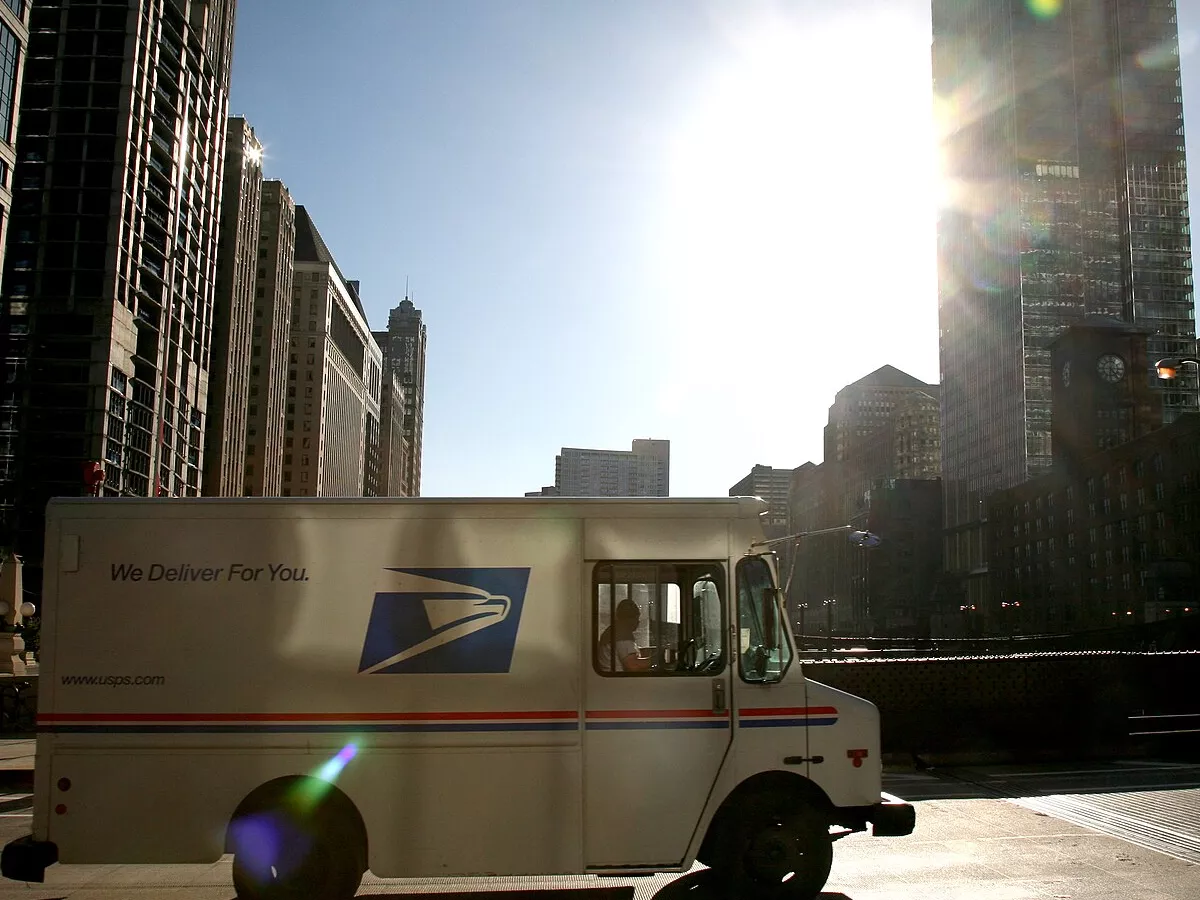
Image information
This is a representative image for this Daily News lesson.
Intro
A major bridge over the Chicago River became stuck Wednesday after it lifted to allow a boat to pass. The unexpected delay snarled traffic in downtown Chicago for more than four hours.
Vocabulary
| Word | Part of speech | Meaning | Example |
|---|---|---|---|
| routine adjective | adjective | Meaning: usual and not unexpected | Example: The inspection was a routine part of the maintenance schedule. |
| disruption noun | noun | Meaning: a situation that interrupts normal activity | Example: The power outage caused major disruption to local businesses. |
| extended adjective | adjective | Meaning: continuing for longer than expected | Example: The team took an extended break after completing the difficult project. |
| infrastructure noun | noun | Meaning: the basic systems and structures supporting a community | Example: Reliable infrastructure is essential for a growing city. |
| competing adjective | adjective | Meaning: opposing because they require the same limited resources | Example: The committee had to balance competing demands from several departments. |
| barrier noun | noun | Meaning: something that blocks movement or makes progress difficult | Example: A lack of funding became a barrier to improving the public park. |
| consequences noun | noun | Meaning: results that follow an action or event | Example: Careless decisions can have serious consequences for everyone involved. |
The story
A major bridge over the Chicago River became stuck Wednesday after it lifted to allow a boat to pass, turning a routine opening into a serious disruption for downtown traffic.
The bridge rose so the boat could continue along the river. After lifting, however, it did not return to its normal position. According to ABC News, the bridge remained stuck for more than four hours.
That extended delay created problems in central Chicago, where the bridge’s raised position interrupted the usual movement of vehicles. A process expected to last only long enough for a boat to pass instead became a lengthy obstacle for people traveling through the downtown area.
The incident also highlighted the competing demands placed on infrastructure in a city shaped by both roads and waterways. The same bridge must support road traffic while opening when a vessel needs to use the river. When the structure cannot close after the boat has passed, the interruption affects more than the original crossing.
For drivers and other travelers, the bridge was no longer simply part of the city’s transportation system. It became a barrier that contributed to snarled traffic across downtown Chicago. The length of the delay made the event especially disruptive, because the bridge remained unavailable well after the boat’s passage.
The situation shows how a small failure during an ordinary transportation procedure can produce wider consequences. A bridge opening is normally a temporary change in traffic conditions. In this case, the structure stayed raised for more than four hours, transforming that short-term change into a major downtown traffic problem.
The supplied report does not provide further details about what caused the bridge to remain stuck or when normal movement across it resumed. It establishes, however, that the delay began after the bridge lifted for a boat and significantly affected traffic in Chicago’s downtown.
Warm-up questions
- What kinds of transportation problems can unexpectedly affect an entire city?
- Why might a bridge need to rise, and what could happen if it stayed raised?
Comprehension questions
- Why did the bridge initially rise?
- How long did the bridge remain stuck?
- Why did the delay affect central Chicago?
- What two transportation needs must the bridge serve?
- What information does the supplied report not provide?
Opinion questions
- Should cities prioritize road traffic or waterway access when transportation systems conflict? Explain your view.
- How much responsibility should public authorities accept when infrastructure failures cause widespread delays?
Further discussion
- What design or maintenance changes could reduce the effects of similar bridge failures?
- How can cities prepare travelers for transportation disruptions that have uncertain durations?
Writing prompt
- Write a 180-word report explaining how a routine transportation procedure created wider consequences in Chicago.
Practice this story
4 testsSources
Topics
-

Culture & Society
Why This Story Cannot Yet Be Reported as a Factual News Lesson
Sep 11, 2026 2 min read B2 -
Culture & Society
What to Know About Amazon’s Air Cargo Carrier After Miami Crash
Sep 7, 2026 2 min read B2 -

Culture & Society
Steinem and Parton’s Deaths Leave Feminists Grieving Two Influential Voices
Sep 6, 2026 2 min read B2 -

Culture & Society
91-Year-Old Hiker Becomes Oldest Person to Complete Appalachian Trail
Sep 5, 2026 2 min read B2 -
Culture & Society
Wisconsin congressman describes swimming to safety after small plane makes emergency landing in Lake Wausau
Sep 14, 2026 2 min read C2 -
Culture & Society
Afghan Woman Deported After First Case in Long-Dormant Terrorism Court
Sep 12, 2026 2 min read B1