El-Sayed and Stevens Trade Sharp Comments in Michigan Senate Race
 By Emma Carter
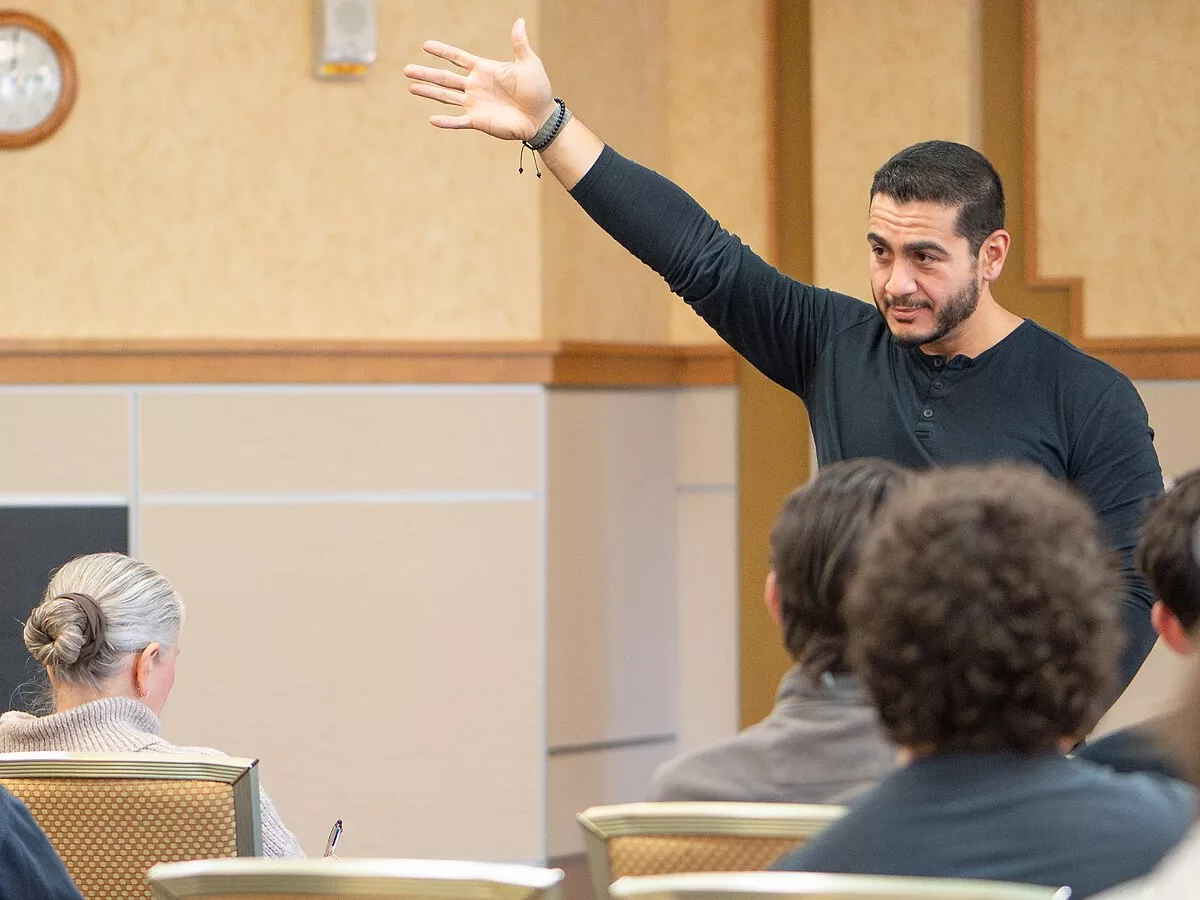
Image information
This is a representative image for this Daily News lesson.
Intro
Dr. Abdul El-Sayed and Representative Haley Stevens exchanged sharp criticism Friday, intensifying tensions in Michigan’s Senate race.
Vocabulary
| Word | Part of speech | Meaning | Example |
|---|---|---|---|
| rivalry noun | noun | Meaning: a situation in which two people or groups compete strongly with each other | Example: Their long rivalry made the final competition especially intense. |
| demanded verb | verb | Meaning: asked for something forcefully and without accepting refusal | Example: The workers demanded safer conditions from their employer. |
| disagreement noun | noun | Meaning: a difference of opinion between people or groups | Example: The disagreement continued even after both sides met privately. |
| distinguish verb | verb | Meaning: to recognize or show the difference between people or things | Example: The labels help customers distinguish the two products. |
| cooperation noun | noun | Meaning: the act of working together toward a shared purpose | Example: The project succeeded because it required cooperation from several departments. |
| established adjective | adjective | Meaning: accepted as true or confirmed by reliable information | Example: The report separates established facts from unverified claims. |
| pivotal adjective | adjective | Meaning: extremely important because it can influence what happens next | Example: The meeting was pivotal in deciding the company’s future. |
The story
Dr. Abdul El-Sayed and Representative Haley Stevens traded sharp public criticism Friday, increasing tensions in Michigan’s pivotal Senate race. Their exchange brought a former primary rivalry back into campaign discussion. Stevens demanded an apology from El-Sayed, although the available facts do not describe what led to that demand.
The dispute involved two politicians who had previously competed in a primary. A primary is an election in which political parties select or help select their candidates. Competition can be intense at that stage, and disagreements may continue after the primary is over.
This episode was more than a routine difference of opinion. El-Sayed and Stevens made strongly critical comments about each other in public, creating a visible conflict within their party. The remarks added personal tension to a contest that is already important in Michigan.
Intraparty tension means disagreement among people in the same political party. It can affect an election because candidates need to distinguish themselves from rivals while also seeking support from many of the same voters and political allies. Public criticism may clarify differences, but it can also make cooperation more difficult.
The confirmed event is the exchange of critical comments and the tension it intensified. No further result from the dispute is established here. Still, the clash matters because it places the relationship between El-Sayed and Stevens in view during a pivotal Senate race. It also shows how a former primary contest can remain relevant when candidates continue to compete for public attention and support.
For voters, public exchanges can become part of the wider picture of a campaign. They may consider not only candidates’ policies but also how those candidates respond to pressure and conflict. In Michigan, the disagreement between El-Sayed and Stevens has made intraparty relations a more noticeable part of the Senate-race conversation.
Warm-up questions
- What kinds of disagreements can make a political campaign more noticeable?
- Why might former rivals continue to affect one another after an election?
Comprehension questions
- What did Stevens demand from El-Sayed?
- Why can intraparty tension affect an election?
- What result of the dispute is confirmed in the article?
- How might voters evaluate the candidates beyond their policies?
- What broader campaign issue has the disagreement made more noticeable?
Opinion questions
- Do public criticisms usually help voters understand candidates, or do they mainly increase conflict? Explain your view.
- Should political candidates apologize publicly when former campaign disputes resurface? Why or why not?
Further discussion
- How can candidates compete with former primary rivals while preserving cooperation within their party?
- What should responsible news coverage say when the available facts do not explain why a demand was made?
Writing prompt
- Write a balanced paragraph explaining how a former primary rivalry can influence a later campaign. Use at least two reasons and one possible consequence.