Difficult times in agriculture are making it tough for the next generation of farmers
 By Emma Carter
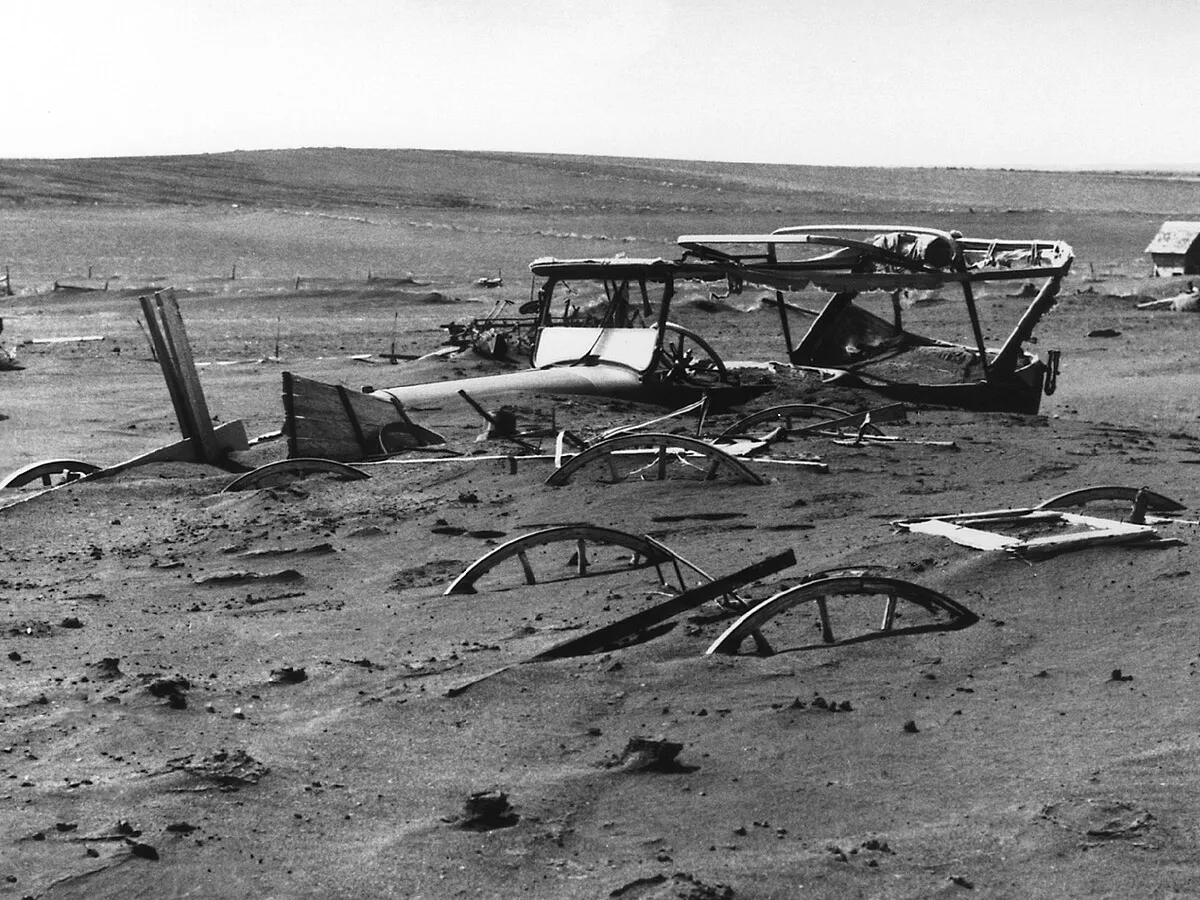
Image information
This is a representative image for this Daily News lesson.
Intro
For many American farmers, passing a farm to the next generation is both a family tradition and a substantial financial undertaking. Increasing costs and a volatile agricultural economy are making that transition more difficult.
Vocabulary
| Word | Part of speech | Meaning | Example |
|---|---|---|---|
| legacy noun | noun | Meaning: Something valuable handed down from an earlier generation, especially an enduring tradition or inheritance. | Example: The laboratory’s legacy of rigorous research continues to attract exceptional scientists. |
| sustain verb | verb | Meaning: To maintain something over time despite pressure, difficulty, or changing circumstances. | Example: Without institutional support, such ambitious reforms will be difficult to sustain. |
| steep adjective | adjective | Meaning: Unusually high, often to an extent that creates difficulty or imposes a serious cost. | Example: The proposal carries a steep financial price but could yield lasting benefits. |
| succession noun | noun | Meaning: The process by which control, ownership, or responsibility passes from one person or generation to another. | Example: The board began planning executive succession well before the current director retired. |
| formidable adjective | adjective | Meaning: Impressively difficult, substantial, or demanding, and therefore requiring considerable effort to overcome. | Example: The committee faced a formidable challenge in reconciling competing legal obligations. |
| prolonged adjective | adjective | Meaning: Continuing for an unusually long time, especially beyond what is normal or desirable. | Example: The prolonged negotiations eventually exhausted the patience of both delegations. |
| hurdle noun | noun | Meaning: A significant obstacle that must be overcome before progress or success is possible. | Example: Securing reliable data remains the principal hurdle in evaluating the program. |
| precarious adjective | adjective | Meaning: Unstable or insecure, with a substantial possibility of failure, loss, or deterioration. | Example: The ceasefire left the region in a precarious political equilibrium. |
The story
In the United States, farming is often a legacy business: one generation passes the land and its responsibilities to the next. Yet that familiar pattern is becoming harder to sustain as many farmers reach retirement age and the economics of agriculture grow less predictable.
A report from Harvest Public Media describes how steep operating costs and uncertainty are influencing farm succession plans. The United States has close to 2 million farms, most of them family owned, according to census data cited in the report. For younger farmers, however, inheriting a family business may also mean assuming a formidable financial burden.
Mike Langseth’s farm in North Dakota illustrates the challenge. His great-great-grandfather built the farm’s home more than a century ago, and each generation has altered the property to suit its needs. Langseth became the farm’s owner three years ago, following a prolonged period in which he gradually took on more of the expenses previously covered by his father.
That progression gave him a clearer sense of the financial pressure involved. Taking responsibility for a larger share of the operation required enough money to function on a greater scale. Purchasing machinery created another significant hurdle. In a family business, succession may therefore unfold incrementally, but each step can demand a fresh and consequential investment.
Langseth assumed ownership during a difficult period for the agricultural economy. Shifting trade policies, tariffs, and supply-chain disruptions have increased the cost of gas, machinery, fertilizer, and other operating expenses. These pressures can narrow the margin for error precisely when a new owner is trying to establish financial stability.
Wesley Tucker, a farm and ranch transition specialist at the University of Missouri, says the amount of capital required to farm today is helping motivate more farmers to transfer ownership to the next generation. Land is a major component of that capital, while equipment and day-to-day inputs add further demands.
The result is a complicated inheritance. A younger farmer may receive an established operation and a powerful family history, yet still confront costs that make taking control financially precarious. For families planning a transition, tradition remains important, but it no longer guarantees that succession will be straightforward.
Warm-up questions
- What financial and emotional factors can complicate the transfer of a family-owned enterprise?
- When might tradition support continuity, and when might it conceal serious practical difficulties?
Comprehension questions
- Why is the traditional transfer of farms becoming harder to sustain?
- What does the article identify as a particular financial burden for younger farmers?
- How did Langseth gradually prepare for farm ownership?
- Why did purchasing machinery pose a serious problem?
- What tension does the article identify in family-farm succession?
Opinion questions
- Should family farms receive public assistance when succession costs threaten their viability? Explain your position.
- Does preserving a family business justify accepting substantial financial risk? Why or why not?
Further discussion
- How might agricultural policy reduce succession pressures without undermining independent ownership?
- What lessons could businesses outside agriculture draw from this account of intergenerational transfer?
Writing prompt
- Write an analytical essay evaluating whether tradition remains a sufficient foundation for successful farm succession under current economic conditions.