
The Guardian identifies a UK autumn travel feature, but supplies no outing details
 By Emma Carter
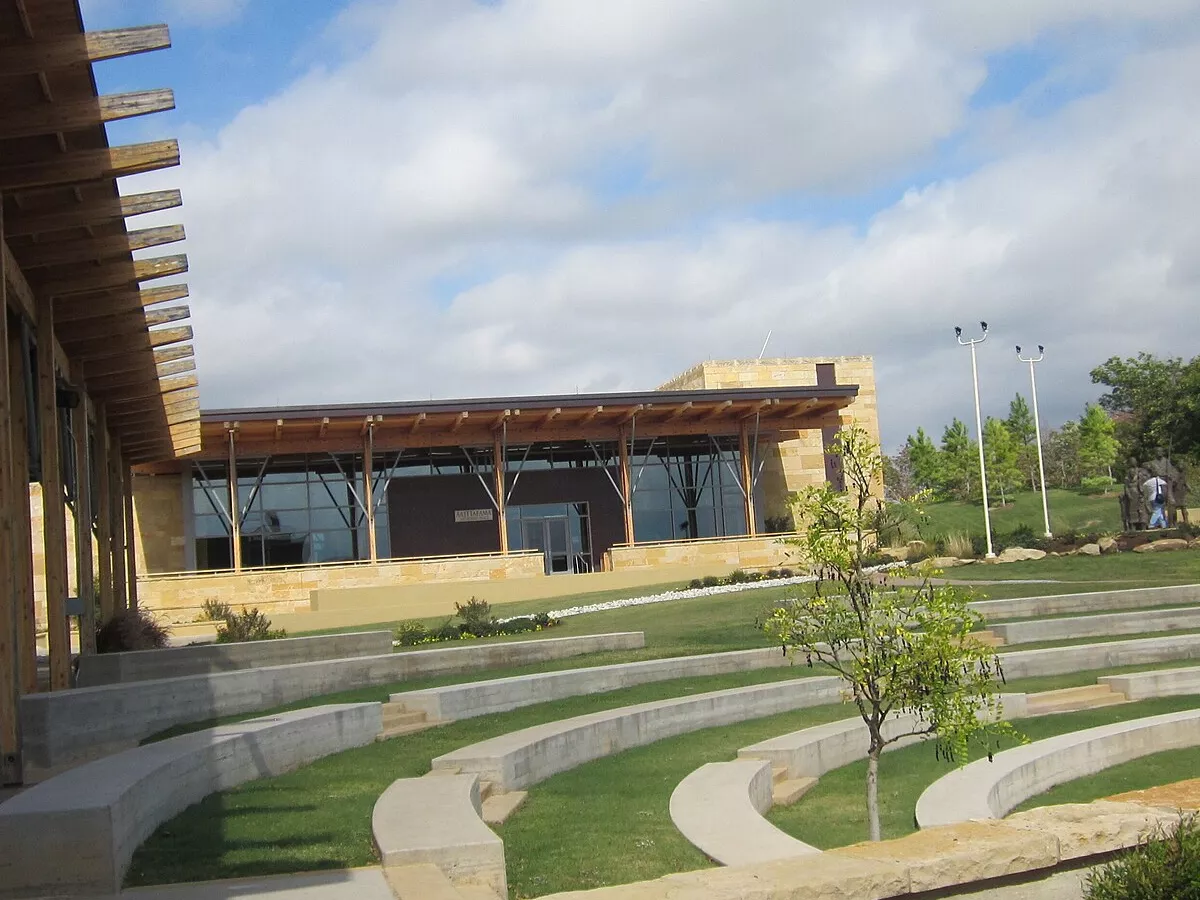
Image information
This is a representative image for this Daily News lesson.
Intro
The available verified material identifies a Guardian travel feature about sharing tips for an autumn day out in the UK. It does not provide enough information to describe a specific experience or recommendation.
Vocabulary
| Word | Part of speech | Meaning | Example |
|---|---|---|---|
| substantive adjective | adjective | Meaning: having real importance, value, or informational content | Example: The report offered substantive evidence rather than merely repeating general impressions. |
| accessibility noun | noun | Meaning: the extent to which something can be reached, entered, or used by people with differing needs | Example: The museum has improved accessibility by installing ramps and clearer signage. |
| attribution noun | noun | Meaning: the identification of the creator or source to whom something is credited | Example: The article included attribution for every photograph supplied by an external agency. |
| inferred verb | verb | Meaning: reached a conclusion from evidence or reasoning rather than direct statement | Example: Researchers inferred that the results reflected a broader pattern. |
| bounded adjective | adjective | Meaning: strictly limited or confined within defined boundaries | Example: The study presents a bounded analysis of one carefully selected population. |
| speculative adjective | adjective | Meaning: based on conjecture rather than sufficiently verified evidence | Example: Any claim about future demand would remain speculative without stronger data. |
| contributor noun | noun | Meaning: a person who provides material, ideas, or participation for a publication or project | Example: Each contributor was asked to disclose potential conflicts of interest. |
The story
The supplied verified package identifies a travel feature in The Guardian titled “Share a tip on a great autumn day out in the UK.” Its subject is broadly connected with recommendations or suggestions for an autumn outing in the UK. Beyond that general description, however, the package contains no substantive travel information.
No destination is named. The available material does not identify a town, county, region, park, coastline, cultural site, or other attraction. It also gives no information about the kind of outing under discussion. Readers cannot establish from the package whether the feature concerns walking, sightseeing, food, heritage, nature, or another form of travel experience.
The title does not show whether the item presents one recommendation, gathers several suggestions, or invites readers to share their own ideas. It cannot verify practical details such as transport, opening times, accessibility, costs, facilities, route length, or weather conditions. Those details may be relevant to a travel feature, but none is included in the verified material.
The package lists The Guardian as the publisher and gives the publication date as September 7, 2026. Its only additional factual detail is the photograph credit, Gregg Vignal/Alamy. That credit identifies the photographer or image-rights attribution recorded by the source, but it does not establish where the photograph was taken, what it shows, or what journey it may depict.
The geographic reference is consequently limited to the UK as a whole. No narrower location can be inferred from the headline, and the package does not identify any contributor, traveller, business, attraction, or recommendation associated with the feature.
A factual account must therefore remain carefully bounded. The Guardian published a UK-focused travel item concerning tips for an autumn day out, but the destination, activities, contributors, and recommendations are absent from the available source summary. Descriptions of scenery, visitor experiences, itineraries, or travel advice would be speculative until further verified material from the feature is supplied.
Warm-up questions
- What information would you expect a reliable autumn travel feature to provide?
- Why might a headline alone be insufficient for planning a journey?
Comprehension questions
- What does the verified package identify about the Guardian item?
- Which kinds of destinations are explicitly absent from the available material?
- Why can readers not determine the activity discussed?
- What additional factual detail does the package supply besides publisher and date?
- What should a factual account avoid until further material is verified?
Opinion questions
- Should publishers provide more contextual information when presenting a travel headline? Explain your view.
- How far should journalists go in emphasizing the limits of incomplete source material?
Further discussion
- What verification standards should readers apply before relying on online travel recommendations?
- How might missing practical details affect different travellers, including disabled visitors or families?
Writing prompt
- Write a concise C1-level editorial paragraph explaining why the supplied travel information must remain carefully bounded.
Practice this story
4 testsSources
Topics
-
Travel & Experiences
Qantas’s New York-to-Sydney ‘Project Sunrise’ Flights to Take Off in 2028
Sep 23, 2026 2 min read C1 -
Travel & Experiences
Kent is having a champagne moment: ‘English wine has gone from a joke to world-class’
Sep 13, 2026 2 min read C1 -
Travel & Experiences
Share a tip on a wellness experience in the UK and Europe
Sep 22, 2026 3 min read C2 -
Travel & Experiences
On Sweden’s Kungsleden Trail, a Hike Becomes an Encounter With Reindeer and Shared Wonder
Sep 17, 2026 3 min read C2 -
Travel & Experiences
A taste of home: discovering Sweden’s local food heroes
Sep 14, 2026 2 min read B2 -
Travel & Experiences
Air-Traffic Control Problem Disrupts More Than 2,000 Flights at British Airports
Sep 10, 2026 2 min read B1